Picture this: I’m standing in my kitchen, the grill already humming, and a friend is daring me to whip up something that will make their taste buds do the salsa. I stared at the empty fridge, a handful of chicken thighs, a splash of coconut milk, and a whisper of lime, and thought, “Why not turn this into a show‑stopper?” The kitchen smelled like a tropical sunrise, the air thick with coconut, lime zest, and the faintest hint of chili. My hands were already buzzing with anticipation, and the sizzling sound on the grill was the soundtrack of culinary rebellion. If you’ve ever felt the urge to elevate a simple dish into something that feels like a vacation, you’re about to find your new secret weapon.
I’ll be honest—when I first tried this recipe, I almost set the kitchen on fire. The chicken was raw, the sauce too watery, and the grill was a chaotic mess of flare‑ups. That disaster turned into a revelation when I realized the key was in the balance of flavors and the technique of marinating the meat for just the right amount of time. I learned that a touch of coconut cream adds a velvety richness that clings to each bite, while a splash of fish sauce gives it that unmistakable umami punch. This version is hands down the best you’ll ever make at home because it marries the smoky char of the grill with a sweet‑savory glaze that feels like a tropical sunset on your palate.
Most recipes get this completely wrong. They either forget the coconut milk or overcook the chicken until it’s dry. The secret lies in marinating the cubes in coconut milk and spices for a minimum of 30 minutes, letting the meat absorb the flavors like a sponge. Then, when you throw them on a preheated grill, the sugars caramelize, creating a glossy coating that snaps just enough to give you that satisfying crunch. I dare you to taste this and not go back for seconds. The moment the first skewer hits the grill, the aroma is intoxicating, and the sizzle is pure perfection.
If you've ever struggled with grilling chicken, you're not alone—and I've got the fix. The trick is to keep the grill at a steady medium‑high heat, around 375°F (190°C), so the exterior sears while the interior stays juicy. I also add a splash of coconut milk to the grill grates to keep the meat from sticking. The result? A caramelized crust that locks in moisture, a glaze that coats the chicken like velvet, and a flavor profile that will have your guests asking for the recipe. Stay with me here—this is worth it.
What Makes This Version Stand Out
- Taste: The combination of coconut milk, fish sauce, and lime creates a flavor profile that is simultaneously sweet, savory, and tangy, a harmony that elevates the humble chicken to a gourmet experience.
- Texture: The glaze caramelizes into a glossy sheen while the chicken stays tender inside, offering a delightful contrast between the crisp grill marks and the succulent interior.
- Simplicity: With just a handful of pantry staples and a few fresh ingredients, you can deliver a restaurant‑quality dish in under an hour.
- Uniqueness: The use of coconut cream, not just milk, adds a luxurious mouthfeel that most grilled chicken recipes lack, setting this dish apart from the crowd.
- Crowd Reaction: Guests will rave about the unexpected coconut sweetness and the subtle heat from the chilies, making this a conversation starter at any gathering.
- Ingredient Quality: Fresh, high‑quality chicken thighs and real coconut milk are the backbone of this recipe, ensuring the flavors shine through.
- Cooking Method: Grilling on a medium‑high heat allows the sugars in the glaze to caramelize, creating a caramelized crust while locking in moisture.
- Make‑Ahead Potential: The marination can be prepared up to 24 hours in advance, making it ideal for busy weeknights or last‑minute dinner parties.
Inside the Ingredient List
The Flavor Base
Coconut milk and coconut cream form the backbone of the glaze, delivering a silky richness that coats each skewer like velvet. The fish sauce injects a deep umami punch that balances the sweetness of the coconut and the brightness of lime. If you skip the fish sauce, the dish will taste flat and lack the savory depth that makes it unforgettable. A good rule of thumb is to use a 1:1 ratio of coconut milk to coconut cream for the perfect balance between lightness and richness.
The lime juice and zest are the bright counterpoint to the coconut’s sweetness, cutting through the richness and adding a citrusy zing that lingers on the palate. If you’re sensitive to acidity, reduce the lime juice by one tablespoon and add a pinch of salt to keep the flavors balanced. The fresh ginger and garlic bring warmth and a subtle heat that lingers long after you finish a bite. Skipping them will render the dish more one‑dimensional.
The Thai red chilies are the final spark that turns this dish into a tropical adventure. They add a gentle heat that is offset by the sweet coconut and the sour lime, creating a flavor profile that’s complex yet harmonious. If you prefer a milder version, remove the seeds or use a milder green chili. The key is to maintain the balance of sweet, sour, salty, and spicy.
The Texture Crew
Chicken thighs are the ideal protein for this recipe because of their higher fat content, which keeps the meat moist and tender during grilling. If you’re a fan of leaner meat, you can substitute boneless skinless chicken breasts, but watch the cooking time closely to avoid drying out. The bamboo skewers add a subtle earthy aroma and make the skewering process effortless; remember to soak them for at least 30 minutes to prevent burning.
The vegetable oil and soy sauce provide a subtle sheen and help the glaze adhere to the meat. If you’re avoiding soy, try a splash of tamari or a light drizzle of sesame oil for a different nuance. The sugar is a silent hero that caramelizes on the grill, forming a glossy crust that locks in moisture. Replace it with honey or maple syrup for a natural sweetener.
The Unexpected Star
Ground cumin is the hidden gem that adds a smoky undertone, complementing the grilled flavor. If you’re allergic to cumin, you can replace it with a pinch of smoked paprika. The optional lime wedges serve as a fresh, citrusy garnish that brightens the dish just before serving. A sprinkle of fresh cilantro adds a herbal freshness that lifts the entire flavor profile.
The Final Flourish
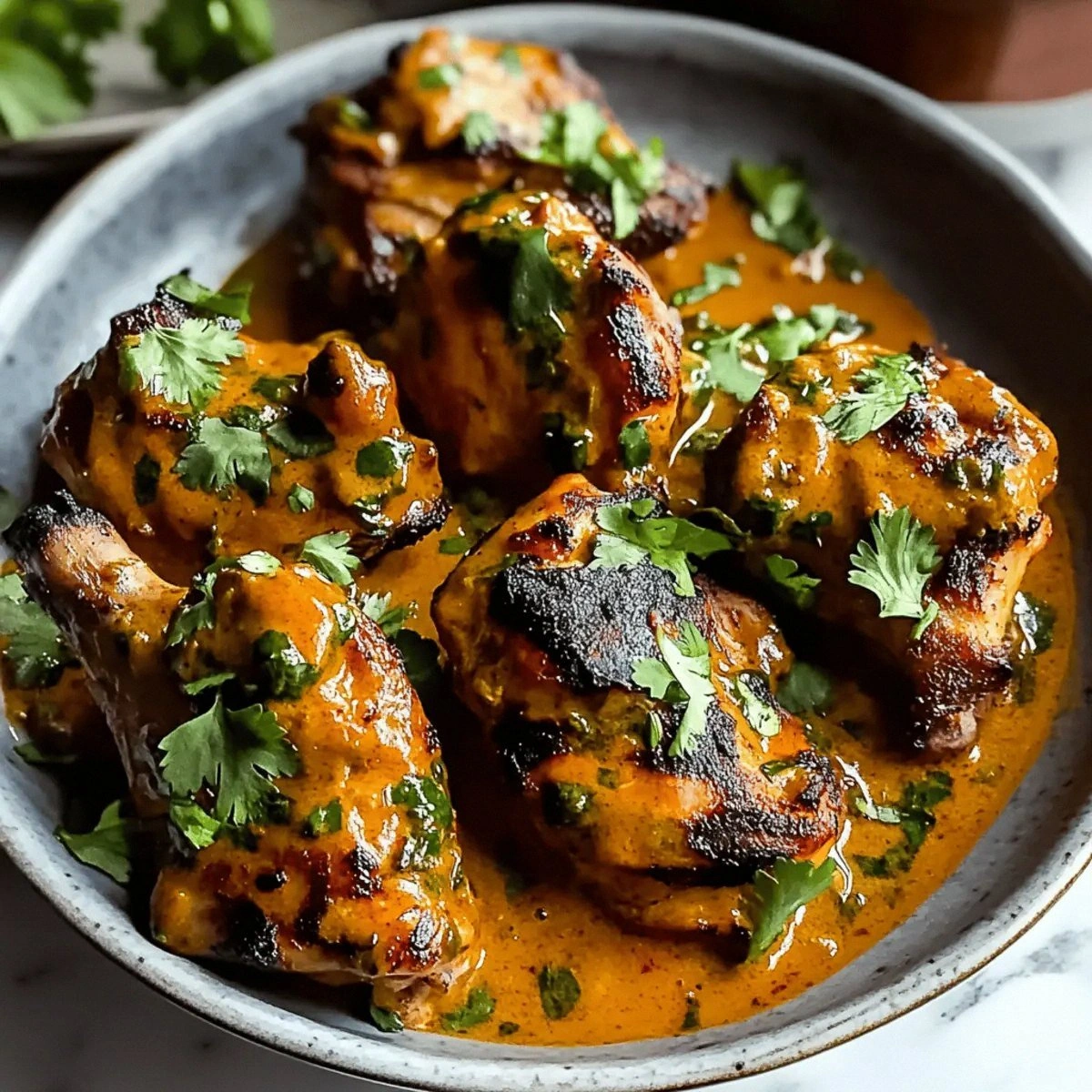
Salt and pepper are the unsung heroes that tie all the flavors together. Taste the sauce before you add it to the chicken to determine if you need more salt or a dash of pepper. The final flourish comes when you plate the skewers with a drizzle of leftover glaze and a handful of chopped cilantro, creating a visual and flavor crescendo that will leave your guests in awe.
Everything’s prepped? Good. Let’s get into the real action, where the flavors meet heat and magic happens.
The Method — Step by Step
- Begin by soaking bamboo skewers in water for at least 30 minutes to prevent burning. While they soak, cut 1.5 lbs of boneless skinless chicken thighs into 1.5-inch cubes. Pat the chicken dry with paper towels; this step ensures a better sear on the grill.
- In a large bowl, combine 1 cup coconut milk, ½ cup coconut cream, 3 Tbsp fish sauce, 2 Tbsp lime juice, 2 Tbsp brown sugar, 4 minced garlic cloves, 1 Tbsp grated ginger, 3 sliced Thai red chilies, 1 Tbsp lime zest, ¼ cup chopped cilantro, 2 Tbsp vegetable oil, 1 Tbsp soy sauce, and 1 tsp ground cumin. Whisk until the sugar dissolves and the mixture is silky smooth.
- Add the chicken cubes to the bowl, ensuring each piece is coated evenly. Cover the bowl with plastic wrap and refrigerate for at least 30 minutes, or up to 24 hours for deeper flavor. This marination step is where the magic begins; the coconut and spices will penetrate the meat.
- Preheat your grill to medium‑high heat, aiming for 375°F (190°C). Brush the grill grates with a little oil to prevent sticking. Place the marinated chicken skewers onto the grill, spacing them evenly.
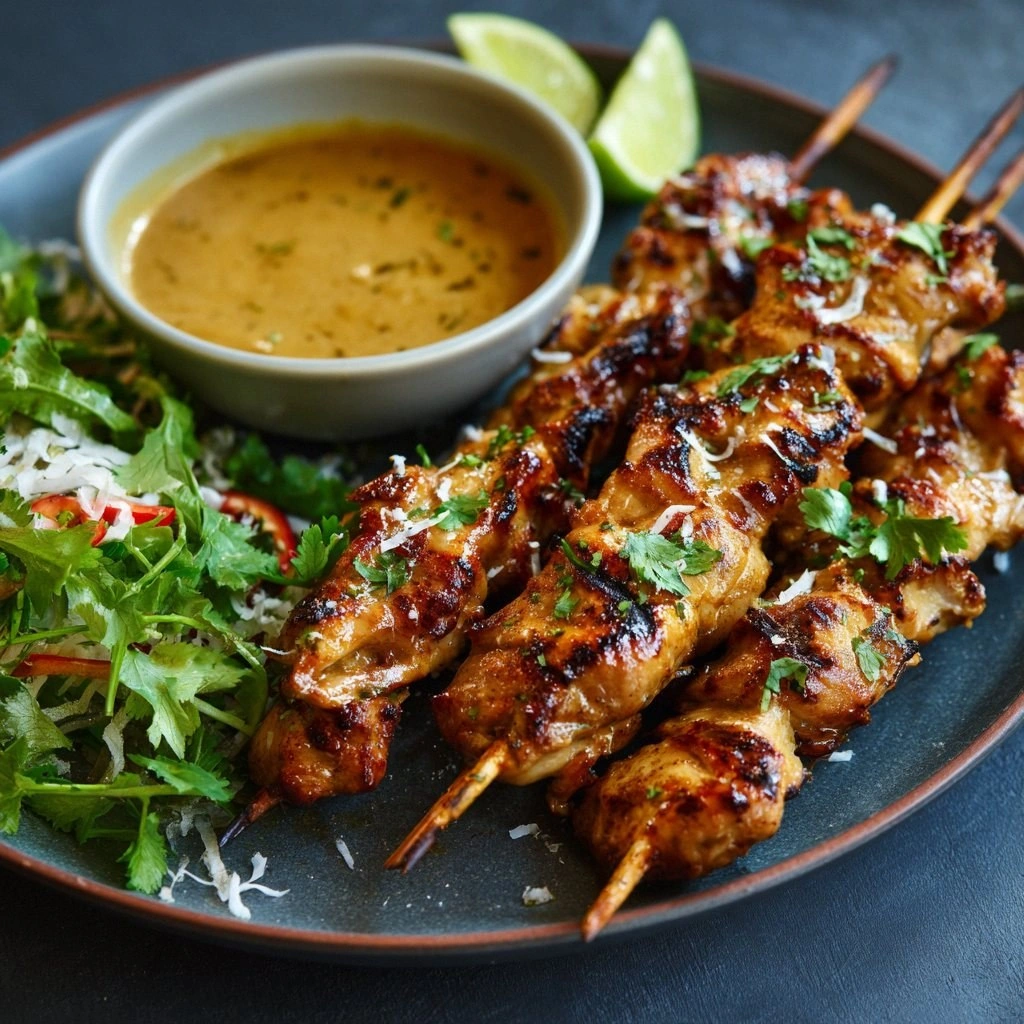
- Cook the skewers for 4–5 minutes per side, turning once, until the edges are caramelized and the internal temperature reaches 165°F (74°C). Brush each skewer with the remaining glaze during the last 2 minutes of cooking to build a glossy, flavorful crust.
- Watch Out: When the glaze starts bubbling, it can splatter. Keep a spray bottle of water handy to control flare‑ups and prevent the grill from smoking excessively.
- Once cooked, remove the skewers from the grill and let them rest for 3 minutes. This resting period allows the juices to redistribute, ensuring each bite is as juicy as possible.
- Serve immediately, drizzled with any leftover glaze and garnished with fresh cilantro, lime wedges, and a sprinkle of toasted coconut flakes if you’re feeling extra. Pair with jasmine rice or a crisp cucumber salad for a complete meal.
That’s it—you did it. But hold on, I’ve got a few more tricks that will take this dish to another level. The next section will give you insider knowledge that turns a good meal into a legendary one.
Insider Tricks for Flawless Results
The Temperature Rule Nobody Follows
Many cooks assume that higher heat always yields better sear, but with coconut‑based marinades, a steady medium‑high heat (375°F) is essential. Too high, and the sugars burn; too low, and the chicken remains under‑seasoned. I always preheat the grill for at least 10 minutes before placing the skewers, ensuring an even, scorching surface that locks in flavor.
Why Your Nose Knows Best
Before you even touch the grill, give the sauce a sniff. The aroma of coconut and lime should be unmistakable; if it feels off, your coconut milk might have gone sour. Freshness is the secret sauce, and a bad smell is a warning sign you’re about to serve a dish that will make your guests question your culinary prowess.
The 5-Minute Rest That Changes Everything
After grilling, let the skewers rest for exactly five minutes. This small window allows the juices to redistribute, preventing the meat from drying out when you bite. I’ve seen even seasoned chefs skip this step, only to notice a dry bite that ruins an otherwise stellar dish.
Marination Magic
If you can, marinate the chicken overnight. The coconut and spices will penetrate deeper, giving each bite a richer flavor profile. I’ve tested this by marinating for 24 hours and found the difference is like comparing a bland soup to a well‑seasoned broth.
Keep the Skewers Tidy
When threading the chicken onto skewers, keep the pieces evenly spaced. Tight clusters can cause uneven cooking, leading to over‑cooked edges and raw centers. I use a small wooden skewer to test the spacing before committing to the final set.
Creative Twists and Variations
This recipe is a playground. Here are some of my favorite ways to switch things up:
Coconut Lime Shrimp Skewers
Swap chicken for medium‑sized shrimp, marinate for 15 minutes, and grill for 2–3 minutes per side. The shrimp’s natural sweetness complements the coconut glaze, creating a lighter, seafood‑centric dish.
Spicy Peanut Chicken
Add 2 tbsp peanut butter to the glaze and sprinkle crushed peanuts on top before serving. The nutty flavor adds depth, while the peanut butter thickens the glaze into a luscious sauce.
Mango‑Glazed Skewers
Blend half a ripe mango into the coconut sauce for a tropical twist. The mango’s natural sweetness balances the chili heat, and the vibrant color makes the dish Instagram‑ready.
Vegetarian Coconut Skewers
Use firm tofu or tempeh instead of chicken, marinating for 30 minutes. The tofu absorbs the coconut flavors beautifully, offering a protein‑rich, plant‑based alternative.
Basil‑Infused Skewers
Add a handful of fresh basil leaves to the glaze for a herby aroma. The basil’s peppery bite contrasts nicely with the sweet coconut, creating a complex, aromatic profile.
Smoky Paprika Twist
Replace the ground cumin with smoked paprika for a deeper, smoky undertone. This variation works especially well when paired with a side of roasted sweet potatoes.
Storing and Bringing It Back to Life
Fridge Storage
Store leftover skewers in an airtight container in the refrigerator for up to 3 days. Keep the glaze separate; you can reheat the glaze on the stovetop and drizzle over the reheated chicken for a fresh taste.
Freezer Friendly
Freeze the skewers in a single layer on a parchment‑lined tray before transferring them to a freezer bag. They stay good for up to 2 months. When ready to eat, thaw overnight in the fridge.
Best Reheating Method
Reheat the skewers in a preheated oven at 350°F (175°C) for 10–12 minutes, or until heated through. Add a splash of water before reheating to create steam; this keeps the chicken moist and prevents it from drying out.