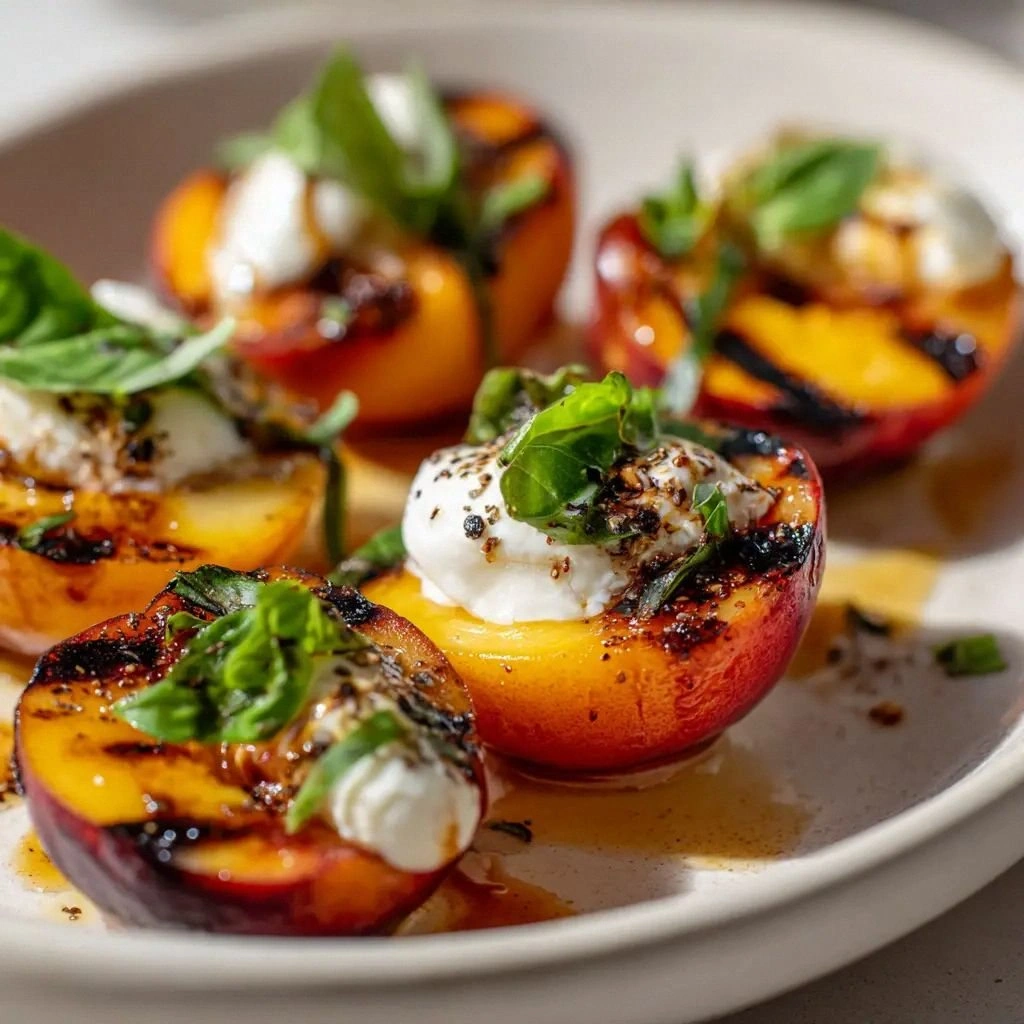
I was standing in my kitchen, staring at a pile of overripe nectarines that had been sitting on my counter for days, when the idea hit me like a sudden summer thunderstorm. I had tried grilling peaches before, and the result was a charred mess that tasted like ash. That disaster turned into a craving for something that could balance the sweet, the smoky, and a creamy finish. I wanted a dish that could turn a casual gathering into an instant party. And so, the concept of grilled nectarines with burrata was born.
The scent of nectarines roasting on the grill fills the air with a heady perfume that feels like a sunlit orchard. The sound is a gentle hiss as the fruit sizzles, punctuated by the occasional crack when the skin caramelizes. The first bite is a burst of juicy sweetness, followed by a smoky crust that gives way to the creamy, almost buttery burrata that melts into the flesh. The basil adds a peppery freshness that cuts through the richness, while the honey provides a subtle glaze that glistens like amber. The overall experience is a symphony of textures and flavors that dance on your tongue.
This version stands out because it takes a simple idea and elevates it with a meticulous balance of ingredients and technique. The honey is not just a sweetener; it acts as a glaze that caramelizes into a glossy finish when the nectarines hit the grill. The burrata, with its delicate interior and firm rind, offers a contrast that feels like velvet against the charred edges. The fresh basil is folded in at the last moment to preserve its bright aroma, preventing it from wilting into a flat herb. Together, they create a dish that feels luxurious yet approachable, and that will make your guests ask for a second plate.
I dare you to taste this and not go back for seconds. Most recipes get this completely wrong, focusing on over‑cooking the fruit or using a bland cheese. The secret is a quick sear at high heat, followed by a gentle finish that preserves the fruit’s moisture. A small trick—sprinkling a pinch of flaky sea salt right before plating—makes the sweetness pop like a pop‑pop of fireworks. That sizzle when it hits the pan? Absolute perfection.
Picture yourself pulling this out of the grill, the whole kitchen smelling incredible, and the table set with a plate that looks like a piece of art. I’m about to walk you through every single step, and by the end, you’ll wonder how you ever made it any other way. The next part? Pure magic. And now the fun part. Stay with me here — this is worth it.
When I first tried this recipe, I almost forgot to let the nectarines rest after grilling. The result was a soggy center that felt like a fruit salad gone wrong. I learned that a quick 30‑second rest on a wire rack lets the steam escape while keeping the fruit firm. This tiny adjustment saved the dish and made the texture more satisfying. It’s a secret that most people overlook but can make a world of difference.
I also discovered that using a cast‑iron skillet instead of a grill can give an even more intense sear. The skillet’s heat retention creates those coveted grill marks even when you’re indoors. It also makes cleanup a breeze because the fruit doesn’t drip onto the grill grates. If you’re a fan of that smoky flavor, the skillet is your best friend. Trust me, the difference is noticeable and worth the extra step.
What Makes This Version Stand Out
- Flavor: The natural sweetness of ripe nectarines is elevated by a drizzle of honey and a splash of olive oil, creating a subtle caramelization that feels like summer in a bite. This combination turns a simple fruit into a gourmet experience.
- Texture: The grilled edges crisp up into a golden shell while the inside remains juicy, and the burrata melts into a velvety cream that contrasts perfectly. The result is a delightful mouthfeel that keeps you coming back.
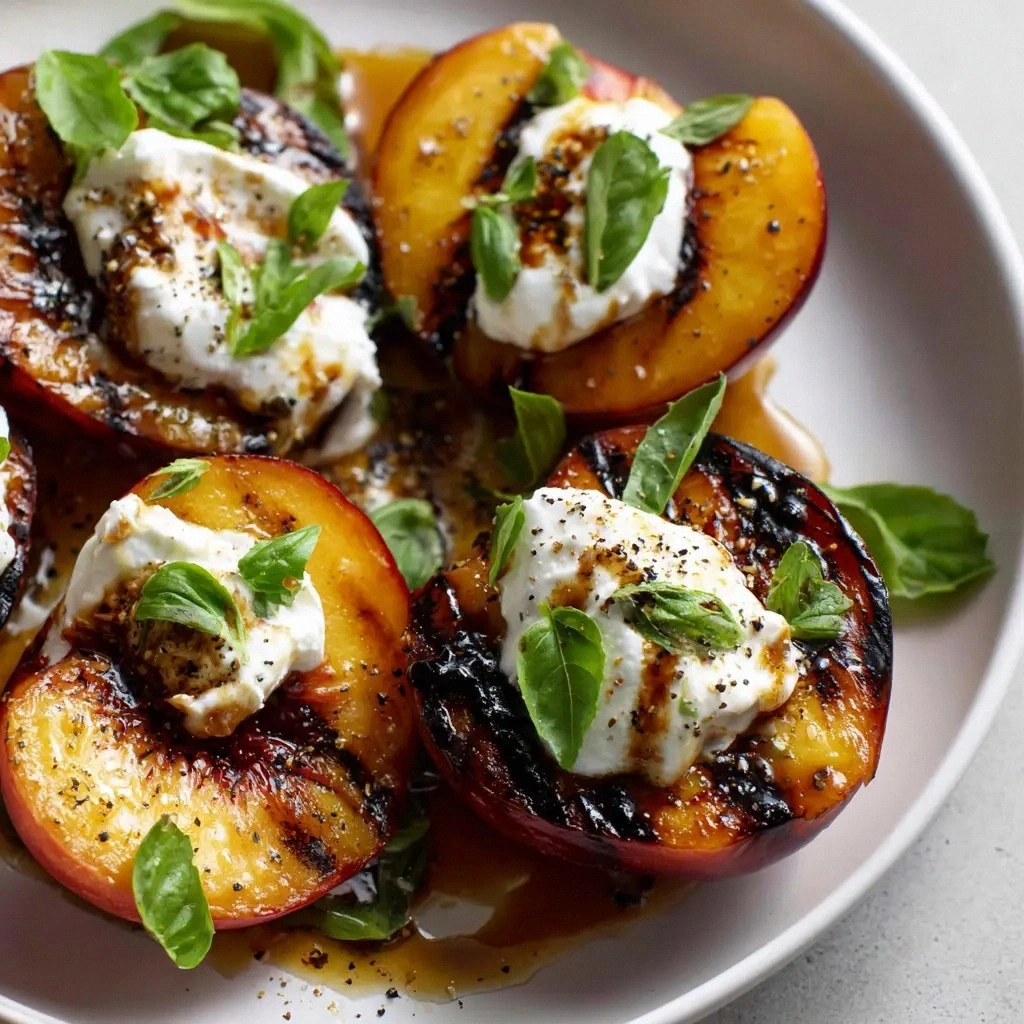
- Visual Appeal: The bright orange flesh against the pale burrata and green basil creates a plate that looks as good as it tastes. It’s a dish that invites photo‑ops and compliments alike.
- Ingredient Quality: Using fresh burrata instead of a generic mozzarella gives a richness that you can't get from store‑bought cheese. The delicate cream inside is a revelation.
- Time Efficiency: The entire dish takes less than an hour from prep to plating, making it a go‑to for spontaneous dinner parties. You can impress guests without a lot of prep time.
- Make‑Ahead Friendly: You can grill the nectarines a few hours ahead and reheat them gently, keeping the burrata fresh for when you’re ready to serve. This flexibility is a lifesaver.
- Flavor Layering: The honey glaze, olive oil, flaky sea salt, and basil each add a distinct layer that builds complexity without overwhelming the fruit. The balance is precise.
- Audience Appeal: Whether you’re a seasoned chef or a kitchen novice, this dish feels approachable yet sophisticated. It’s a crowd‑pleaser that works for any occasion.
Inside the Ingredient List
The Fruit Core
4 ripe but firm nectarines are the heart of this dish, offering a juicy center that resists over‑cooking. Choosing nectarines that feel slightly soft to the touch guarantees a tender texture once grilled. If you skip the fruit, you lose the sweet‑tart base that balances the creamy burrata and the honey glaze.
The Creamy Crown
8 ounces fresh burrata cheese delivers a luxurious, almost buttery interior that melts into the fruit with each bite. The cheese’s delicate rind holds the cream, creating a subtle contrast in mouthfeel. If you substitute a regular mozzarella, the dish will feel dry and lack the signature velvety finish.
The Sweet‑Savory Glaze
1 tablespoon olive oil coats the nectarines, preventing them from drying out and adding a subtle nutty aroma. 2 tablespoons honey caramelize on the grill, forming a glossy glaze that enhances the fruit’s natural sweetness. 1/4 teaspoon flaky sea salt punctuates the honey’s sweetness with a burst of umami, turning each bite into a complex flavor experience. Without the glaze, the nectarines would taste flat and lack depth.
The Herbaceous Finish
1/4 cup fresh basil leaves provide a peppery brightness that cuts through the richness of the burrata. The basil’s aroma elevates the dish from simple to sophisticated, making it feel like a summer garden on a plate. If you omit the basil, the dish loses its herbal lift and feels one‑dimensional.
Everything's prepped? Good. Let's get into the real action...
The Method — Step by Step
- Preheat a cast‑iron skillet or a grill to medium‑high heat, around 375°F. The surface should be hot enough that a drop of water sizzles and evaporates almost instantly. Lightly oil the grates or pan with a tablespoon of olive oil to prevent sticking. Let the heat settle for a minute before placing the fruit. This ensures even searing and prevents flare‑ups.
- Slice each nectarine in half, then cut the halves into thick wedges about 1½ inches wide. The wedges should be thick enough to hold their shape but thin enough to cook through quickly. Place the wedges cut side down on the hot surface, pressing gently with a spatula to create even contact. Watch for the first crack that signals the caramelization is underway.
- After about 3 minutes, flip the wedges carefully. The second side should develop a golden crust while the inside remains juicy. If you notice any sticking, give a quick wipe of the pan with a paper towel soaked in oil. This step is crucial for that beautiful, blistered look.
- While the nectarines finish, drizzle the honey over them. The honey should form a thin glaze that starts to bubble as it caramelizes. Keep the honey in a small bowl, so you can adjust the amount if you like a sweeter finish. This glaze locks in moisture and adds a glossy sheen that looks irresistible.
- Add the flaky sea salt to each wedge right after flipping. The salt should crackle slightly on the hot surface, releasing a subtle aroma that enhances the fruit’s flavor. If you prefer a milder salt, reduce the amount by half. This step is where the dish transitions from sweet to savory.
- Remove the nectarines from the heat and let them rest on a wire rack for 30 seconds. This short rest allows steam to escape, keeping the interior juicy. While resting, gently place a generous spoonful of burrata on each wedge. The cheese will start to soften, creating a creamy pool that invites the basil.
- Toss the fresh basil leaves over the burrata, letting the herbs mingle with the cheese. The basil’s bright green color adds a fresh pop against the orange fruit. If you want a stronger basil flavor, tear the leaves into smaller pieces before adding.
- Plate the nectarines on a warm dish, ensuring the burrata sits on top like a soft cloud. Drizzle any remaining honey over the entire plate for an extra glossy finish. Finish with a final sprinkle of flaky sea salt for a burst of crunch. Serve immediately while the fruit is warm and the burrata is still slightly molten.
- Enjoy the dish with a chilled glass of white wine or sparkling water to complement the sweet‑savory profile. The wine’s acidity cuts through the richness of the cheese, while the sparkling water adds a refreshing contrast. Remember to taste the dish as you eat; each bite should feel like a balanced symphony of flavors.
That's it — you did it. But hold on, I've got a few more tricks that'll take this to another level...
Insider Tricks for Flawless Results
The Temperature Rule Nobody Follows
Many cooks think that a lower temperature will keep the fruit from drying out, but it actually prolongs the cooking time and leads to a mushy center. Keep the heat at medium‑high and monitor the grill marks closely; a quick sear locks in juices. If you notice the fruit starting to steam rather than sear, lower the heat slightly but keep the surface hot enough to blister.
Why Your Nose Knows Best
Before you start flipping the wedges, pause and inhale the aroma of the honey and olive oil. Your nose can tell if the glaze is just right; a faint nutty scent means it’s caramelizing perfectly. If the scent is too sweet or burnt, reduce the honey or lower the heat.
The 5-Minute Rest That Changes Everything
After grilling, let the nectarines rest for exactly five minutes on a wire rack. This brief pause allows the steam to escape, preventing the fruit from becoming soggy. It also lets the burrata soften further, creating a richer mouthfeel.
The Secret of Fresh Basil
Use basil that has just been harvested; older leaves will release a bitter taste. Tear the leaves instead of chopping to preserve essential oils. If you’re in a pinch, a handful of fresh mint can add a surprising twist.
Keeping the Cheese Fresh
Store burrata in a small airtight container at room temperature for up to two hours. If you need to keep it longer, refrigerate it for no more than 24 hours before bringing it back to room temperature. This preserves its creamy texture and prevents it from becoming rubbery.
Presentation Power Move
Arrange the wedges in a circular pattern, with the burrata in the center like a sun. Drizzle the honey in a slow, swirling motion to create a visual effect. Add a final sprinkle of microgreens for an extra burst of color.
Creative Twists and Variations
This recipe is a playground. Here are some of my favorite ways to switch things up:
Smoky Chipotle Glaze
Replace the honey with a mixture of agave syrup and finely ground chipotle powder. The smoky heat pairs beautifully with the fruit’s natural sweetness. This variation is perfect for a late‑afternoon gathering when you want a bit of spice.
Caramelized Onion and Burrata
Saute thinly sliced red onions until golden and caramelized. Spoon them over the grilled nectarines before adding the burrata. The onion’s umami depth adds a savory counterpoint to the sweet fruit.
Prosciutto and Balsamic Drizzle
Wrap each nectarine wedge with a thin slice of prosciutto before grilling. After grilling, drizzle with a reduced balsamic glaze. The salty prosciutto and tangy balsamic create a sophisticated flavor profile.
Almond and Rosemary Infusion
Toast sliced almonds until golden and sprinkle them over the dish. Add a pinch of fresh rosemary during the final plating. The nutty crunch and aromatic herb elevate the dish into a gourmet experience.
Blue Cheese Crumble
Instead of burrata, use a small amount of creamy blue cheese crumbled over the fruit. The sharpness of the blue cheese contrasts with the sweetness, creating a bold flavor combination.
Maple Syrup and Walnut Finish
Drizzle pure maple syrup over the grilled nectarines and scatter toasted walnuts on top. The maple’s caramel notes and the walnut’s earthy crunch add a new dimension to the dish.
Storing and Bringing It Back to Life
Fridge Storage
Store the grilled nectarines and burrata separately in airtight containers. The fruit should stay fresh for up to 48 hours, while the burrata can be kept for 24 hours before use. Keep the honey glaze in a small jar for easy re‑application.
Freezer Friendly
Wrap each nectarine wedge tightly in plastic wrap and place them in a freezer bag. The fruit can be frozen for up to 3 months, but the texture may soften slightly upon thawing. Freeze the burrata in a separate container; it will hold its shape for up to 2 weeks.
Best Reheating Method
Reheat the fruit in a preheated oven at 350°F for 5 minutes, then finish on the grill for 2 minutes to restore the crust. Add a tiny splash of water before reheating to keep the fruit moist. Serve immediately after reheating for the best texture.