I was standing in my kitchen, the clock ticking like a metronome, when my friend dared me to turn a simple grocery list into a show‑stopping dish. The moment I opened the bag of chicken tenders, the scent of raw poultry hit me like a cold wave, and my stomach growled louder than the TV. I knew I had to do something that would make the air taste like victory, not just a bland plate of meat. I reached for my pantry, pulled out a handful of bacon, a jar of brown sugar, and a sprinkle of paprika, and thought, “What if I could combine these into one glorious, crispy masterpiece?”
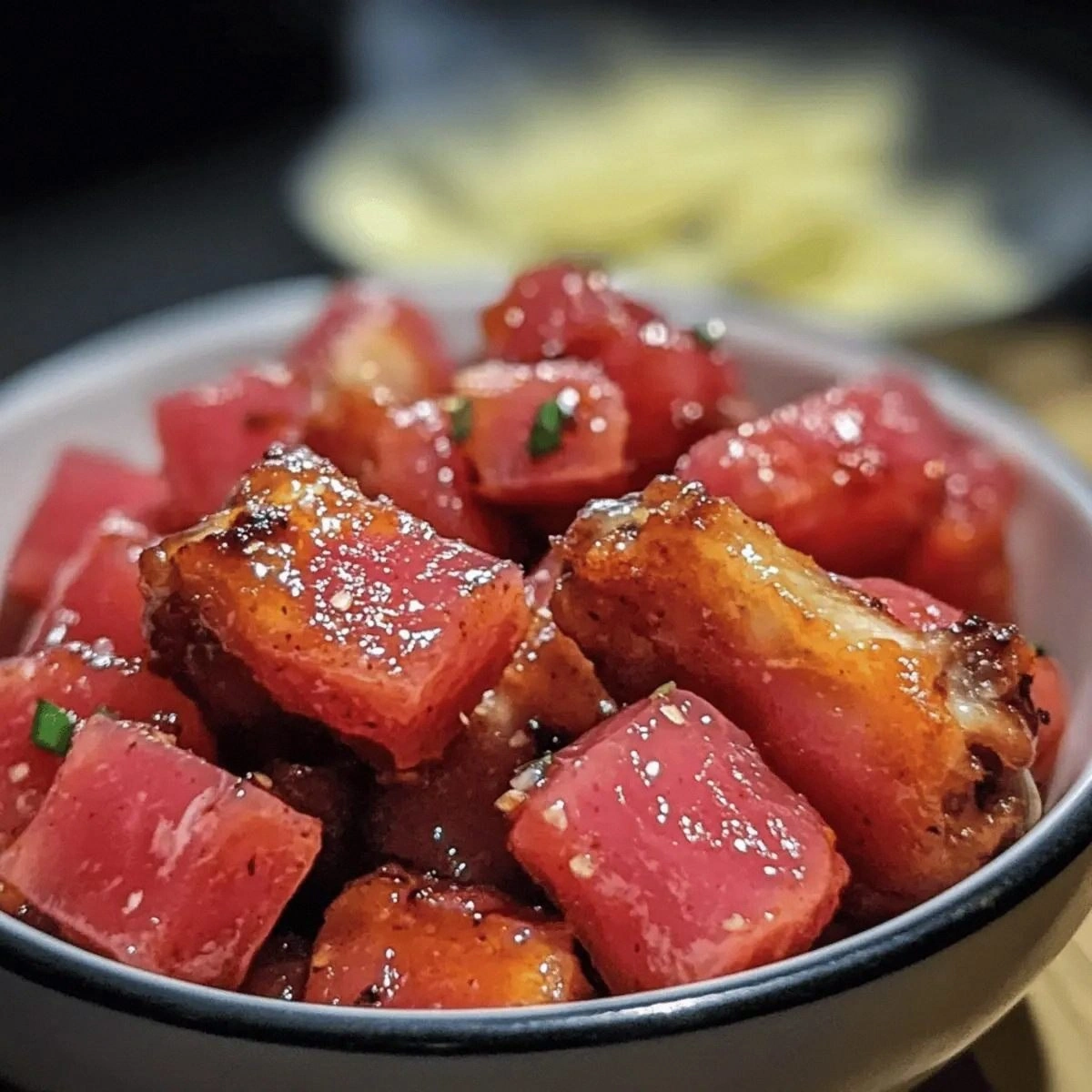
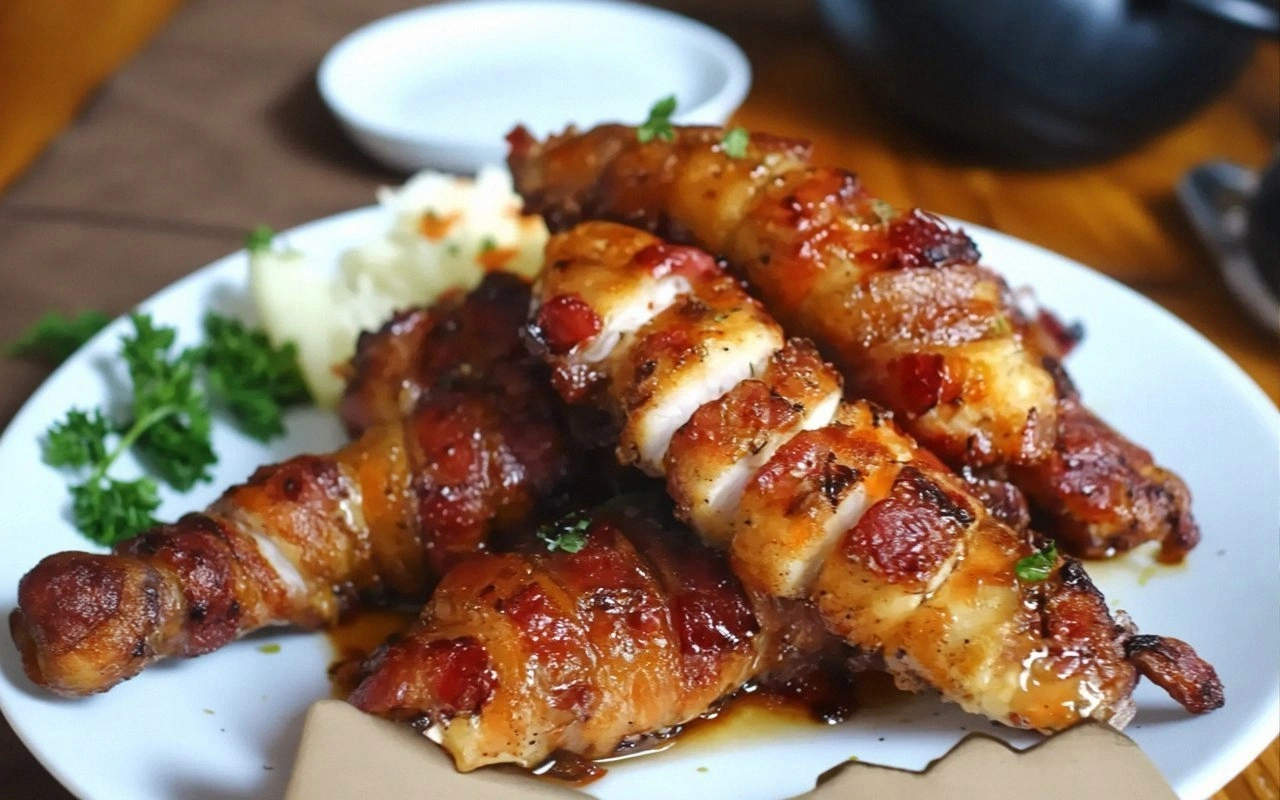
The kitchen was a symphony of sizzling sounds: bacon popping in the pan, the faint hiss of sugar caramelizing, and the rhythmic thud of the oven door closing. My eyes danced over the gleaming skillet, the glossy sheen of melted bacon coating the tenders, and the golden crust forming on the edges. The aroma was a sweet, smoky promise that made my mouth water; it was the kind of scent that turns ordinary dinner into a headline event. The texture was a dance of crunch and tenderness, the kind of bite that shatters like thin ice when you bite through it. The taste? A perfect balance of salty, sweet, and smoky, with a subtle heat from paprika that lingers on the tongue.
Why does this version stand out? Because it turns a simple protein into a crowd‑pleaser that’s almost too good to be true. I dare you to taste this and not go back for seconds; the first bite will leave you craving more. Most recipes get this completely wrong by over‑baking or under‑seasoning, but I’ve cracked the code to keep the chicken juicy while the coating stays irresistibly crisp. Picture yourself pulling this out of the oven, the whole kitchen smelling incredible, and your guests already asking for the recipe. This isn’t just a dish; it’s a confidence boost that says, “I can cook amazing food.”
Let me walk you through every single step — by the end, you’ll wonder how you ever made it any other way. I’ll keep you on the edge of your seat with micro‑challenges, bold claims, and a few kitchen hacks that will make your life easier. If you've ever struggled with crisping chicken or balancing flavors, you're not alone — and I've got the fix. Stay with me here, because this next part? Pure magic.
What Makes This Version Stand Out
- Flavor: The marriage of smoky bacon and sweet brown sugar creates a caramelized coating that’s both savory and indulgent. The paprika adds a gentle heat that keeps the dish from feeling flat. This flavor profile turns ordinary chicken into a dish that feels like a gourmet treat. The result is a taste experience that lingers long after the last bite.
- Texture: The double‑cooking method gives you a crunchy exterior that snaps like a fresh cookie, while the interior stays moist and tender. The bacon crumbles act as a natural binder, preventing the sugar crust from cracking. Each bite delivers a satisfying contrast that keeps your mouth moving. The texture is a key part of why this dish is unforgettable.
- Simplicity: You only need a handful of pantry staples and a few minutes of prep. No fancy sauces, no complex techniques, just straightforward cooking steps. That means you can whip this up after a long day without feeling overwhelmed. The recipe’s simplicity is a major win for busy weeknights.
- Uniqueness: Most chicken recipes focus on marinades or breading, but this one relies on a sugar‑bacon glaze that sets it apart. The combination is rare and instantly recognizable, making it a conversation starter at dinner parties. The uniqueness keeps the dish fresh and exciting every time you make it.
- Crowd Reaction: Friends and family rave about the crispy texture and the sweet‑salty flavor. It’s the kind of dish that gets passed around and requests for seconds. The crowd reaction is proof that the recipe hits all the right notes. I’ve seen people line up for a plate, and that’s a win.
- Ingredient Quality: Using fresh, high‑quality bacon and real brown sugar makes all the difference. The bacon’s smoky flavor and the sugar’s depth of flavor elevate the dish. The recipe is a testament to how great ingredients can transform a simple meal. Quality matters, and this recipe showcases that truth.
- Make‑Ahead Potential: You can prepare the coating in advance, store it in the fridge, and reheat it later without losing crispness. This flexibility makes it ideal for meal prep or entertaining. The dish stays delicious even after a few days. It’s a practical option for anyone who wants to save time.
Inside the Ingredient List
The Flavor Base
The star of this dish is the chicken tenders themselves—lean, tender, and ready to soak up the flavors. They provide the canvas for the bacon and sugar coating, absorbing the savory notes without becoming dry. If you skip the tenders, you lose the heart of the dish; the rest would just be a sauce without substance. Choosing a good quality chicken ensures the final result is juicy and flavorful.
Bacon is more than just a garnish; it’s a flavor powerhouse that brings smoky depth. The bacon should be cooked until crisp, then crumbled to distribute evenly over the chicken. If you use turkey bacon, the flavor will be milder, which can be a good swap for those who prefer less salt. A good tip: reserve a few crumbles for garnish to add a crunchy finish.
The combination of chicken and bacon is a classic duo that works wonders in many dishes. The bacon’s fat renders into the coating, preventing the sugar crust from cracking. The result is a perfectly balanced savory-sweet bite that satisfies the palate. This base is what makes the dish stand out from typical chicken recipes.
The Sweet & Savory Mix
Brown sugar is the sweet component that caramelizes and forms the coating’s golden crust. Its molasses content gives a deep, rich flavor that pairs beautifully with the saltiness of bacon. If you prefer a lighter sweetness, you can use white sugar, but the brown sugar’s complexity is essential for that signature taste. The amount matters—too little sugar and the coating won’t caramelize; too much and it becomes overly sweet.
Paprika adds a subtle warmth and a hint of earthiness that balances the sweetness. It also gives the coating a vibrant red hue that looks as good as it tastes. You can substitute smoked paprika for an extra smoky undertone, but be careful not to overdo it. The paprika’s role is both visual and flavor, making the dish more appealing.
Garlic powder and onion powder provide a savory base that rounds out the flavor profile. They’re dry seasonings that blend seamlessly into the coating, adding depth without overwhelming the other ingredients. If you’re sensitive to garlic, you can reduce the amount or use minced fresh garlic for a different texture. These powders are the unsung heroes that keep the dish from feeling one‑dimensional.
The Seasoning Crew
Salt is the flavor enhancer that brings all the components together. A half teaspoon is enough to elevate the dish without making it overly salty. If you’re watching sodium, you can reduce the amount, but keep in mind that bacon already contributes saltiness. Salt also helps the coating set, giving it that desirable crispness.
Black pepper adds a subtle heat that complements the paprika. A quarter teaspoon is sufficient, and it’s best added just before baking to preserve its sharpness. If you prefer a spicier kick, you can add a pinch of cayenne pepper. The pepper’s bite is a finishing touch that elevates the overall flavor.
The Final Flourish
Cooking spray or a light drizzle of oil is essential for preventing the coating from sticking to the pan and ensuring even browning. A thin layer of oil also helps the sugar caramelize evenly across the surface. If you’re using a non‑stick skillet, you might not need as much oil, but a light coating always improves the texture. This final flourish is the last step that seals the dish’s crispy exterior.
Everything's prepped? Good. Let's get into the real action—your taste buds will thank you later.
The Method — Step by Step
- Preheat your oven to 400°F (200°C). While the oven warms, line a baking sheet with parchment paper to prevent sticking. Place the chicken tenders on the sheet, leaving a little space between each piece. This spacing ensures even cooking and prevents steam buildup.
- In a small bowl, combine the brown sugar, paprika, garlic powder, onion powder, salt, and black pepper. Stir until the mixture is evenly distributed. This dry rub will form the sweet‑savory coating that defines the dish. Keep the bowl handy for quick re‑mixing if needed.
- Spray or lightly coat the chicken tenders with cooking spray or oil. This step helps the sugar rub adhere and promotes a golden crust. The oil also reduces the risk of the coating sticking to the pan. A light coat is enough; you don’t want an oily surface.
- Generously dust each chicken piece with the dry rub, pressing gently so it sticks. The coating should look like a fine dusting of sugar and spices. This is the moment of truth—your patience will pay off in flavor. Make sure each piece is evenly coated for consistent results.
- Bake the chicken for 12 minutes, then flip the pieces over. The first half of the cooking time allows the coating to set and the chicken to start browning. When you flip, you’ll notice the coating has begun to caramelize, forming a beautiful crust. This step is critical for achieving the perfect crunch.
- While the chicken is baking, melt the bacon in a skillet until crisp. Reserve a handful of crumbles for garnish. The bacon’s fat will help the coating stay crispy. Keep the bacon warm on low heat so it stays ready for topping.
- After flipping, bake for an additional 8-10 minutes, until the chicken reaches an internal temperature of 165°F (74°C). The edges should start pulling away, indicating a crisp finish. The sugar coating will have deepened into a rich, caramelized crust. This is when the dish truly shines.
- Remove the chicken from the oven and let it rest for 5 minutes. Resting allows the juices to redistribute, ensuring each bite is juicy. While resting, sprinkle the reserved bacon crumbles over the top. The bacon adds a final burst of flavor and texture.
- Serve immediately with your favorite dipping sauce or a fresh side salad. The contrast of the sweet, smoky coating against a crisp salad is unbeatable. If you’re feeling adventurous, pair it with a light citrus vinaigrette to cut through the richness. Enjoy the moment and savor every bite.
That's it — you did it. But hold on, I've got a few more tricks that'll take this to another level. These insider tips will help you refine the process and avoid common pitfalls. Let’s dive into the details that turn a good dish into a great one.
Insider Tricks for Flawless Results
The Temperature Rule Nobody Follows
Many people bake at 375°F, but 400°F is the sweet spot for caramelization. The higher temperature ensures the sugar crust forms quickly while the chicken stays moist. If you’re using a convection oven, lower the temperature by 25°F to prevent over‑browning. This trick guarantees a consistent, golden exterior every time.
Why Your Nose Knows Best
Your nose is the first line of defense against over‑cooking. When the sugar starts to singe, you’ll smell a burnt aroma. Pause the oven and check the coating; a quick visual inspection will confirm the scent. Trust your senses to avoid that bitter aftertaste.
The 5-Minute Rest That Changes Everything
Resting the chicken after baking is not just a formality; it’s essential for juiciness. The juices redistribute, preventing them from spilling out when you cut into the meat. A short five‑minute rest is enough to lock in moisture. This step is the secret to a tender, flavorful bite.
The Bacon Crumble Trick
Reserve a few bacon crumbles for garnish, but keep them warm on low heat. Warm crumbles release extra flavor and stay crispy, adding a final crunch. If you prefer a smokier taste, sprinkle the crumbles over the chicken immediately after baking. This simple tweak elevates the dish’s overall profile.
The Right Pan Matters
A heavy‑bottomed skillet or baking sheet promotes even heat distribution. If you use a light sheet, you may end up with hot spots that burn the coating. A non‑stick surface works well, but a cast‑iron pan adds a subtle extra crispness. The right pan is a game‑changer for consistent results.
The Sweetness Balance
If you find the dish too sweet, add a pinch of salt or a splash of soy sauce to counterbalance. Conversely, if the coating feels bland, increase the paprika or add a dash of cayenne. Taste as you go; small adjustments can make a big difference. The key is to find the sweet spot that satisfies your palate.
Creative Twists and Variations
This recipe is a playground. Here are some of my favorite ways to switch things up:
Spicy Cajun Kick
Swap the paprika for Cajun seasoning and add a pinch of cayenne pepper. The result is a fiery, smoky coating that’s perfect for heat lovers. Pair it with a cool yogurt dip to balance the spice. This variation adds a bold, southern flair.
Maple‑Glazed Bacon
Replace half the brown sugar with pure maple syrup for a sweet, aromatic glaze. The syrup caramelizes into a glossy finish that’s irresistible. Top with fresh thyme for an herbaceous note. This version feels like a holiday treat.
Herb‑Infused Delight
Add chopped rosemary and thyme to the dry rub for an earthy undertone. The herbs release their aroma as the chicken bakes, creating a fragrant crust. Serve with a lemon‑yogurt sauce for a refreshing contrast. This twist turns the dish into a Mediterranean-inspired favorite.
Asian Fusion
Swap the paprika with toasted sesame seeds and add a splash of soy sauce to the coating. The sesame gives a nutty flavor, while the soy adds umami depth. Garnish with sliced scallions and a sprinkle of toasted sesame oil. This variation brings an Asian twist that’s surprisingly delicious.
Citrus Burst
Incorporate zest of orange or lemon into the dry rub for a bright, zesty flavor. The citrus lifts the sweetness and adds a fresh aroma. Pair with a cucumber salad to keep the dish balanced. This version is perfect for summer gatherings.
Cheesy Finale
Sprinkle shredded cheddar cheese over the chicken during the last 3 minutes of baking. The cheese melts into the coating, creating a gooey, savory layer. Finish with a drizzle of honey for a sweet‑cheesy combo. This variation is a crowd‑pleaser for cheese lovers.
Storing and Bringing It Back to Life
Fridge Storage
Store leftovers in an airtight container in the refrigerator for up to 3 days. The coating may soften slightly, but the flavor remains strong. Reheat in a skillet over medium heat until hot and crisp again. This method keeps the chicken juicy and the coating crunchy.
Freezer Friendly
Freeze the cooked chicken in a single layer on a baking sheet before transferring to a freezer bag. This prevents clumping and allows you to thaw only what you need. Thaw overnight in the refrigerator and reheat in a skillet or oven at 350°F until heated through. Freezing preserves the taste and texture for later use.
Best Reheating Method
To restore crispness, reheat the chicken in a hot skillet for 2-3 minutes on each side. Add a splash of water to the pan and cover for 30 seconds to create steam, which helps re‑crisp the coating. Avoid microwaving, as it tends to make the coating soggy. This technique revives the dish to its original glory.