I was halfway through a midnight baking spree when the oven door flew open, and the dough went from a fluffy cloud to a soggy disaster. My kitchen smelled like burnt sugar and regret, and I stared at the ruined loaf like a guilty accomplice. That night, I vowed to create a donut‑bread that would not only survive the heat but thrive in it. I was determined to turn that kitchen calamity into a sweet triumph that would make my friends swoon and my taste buds sing.
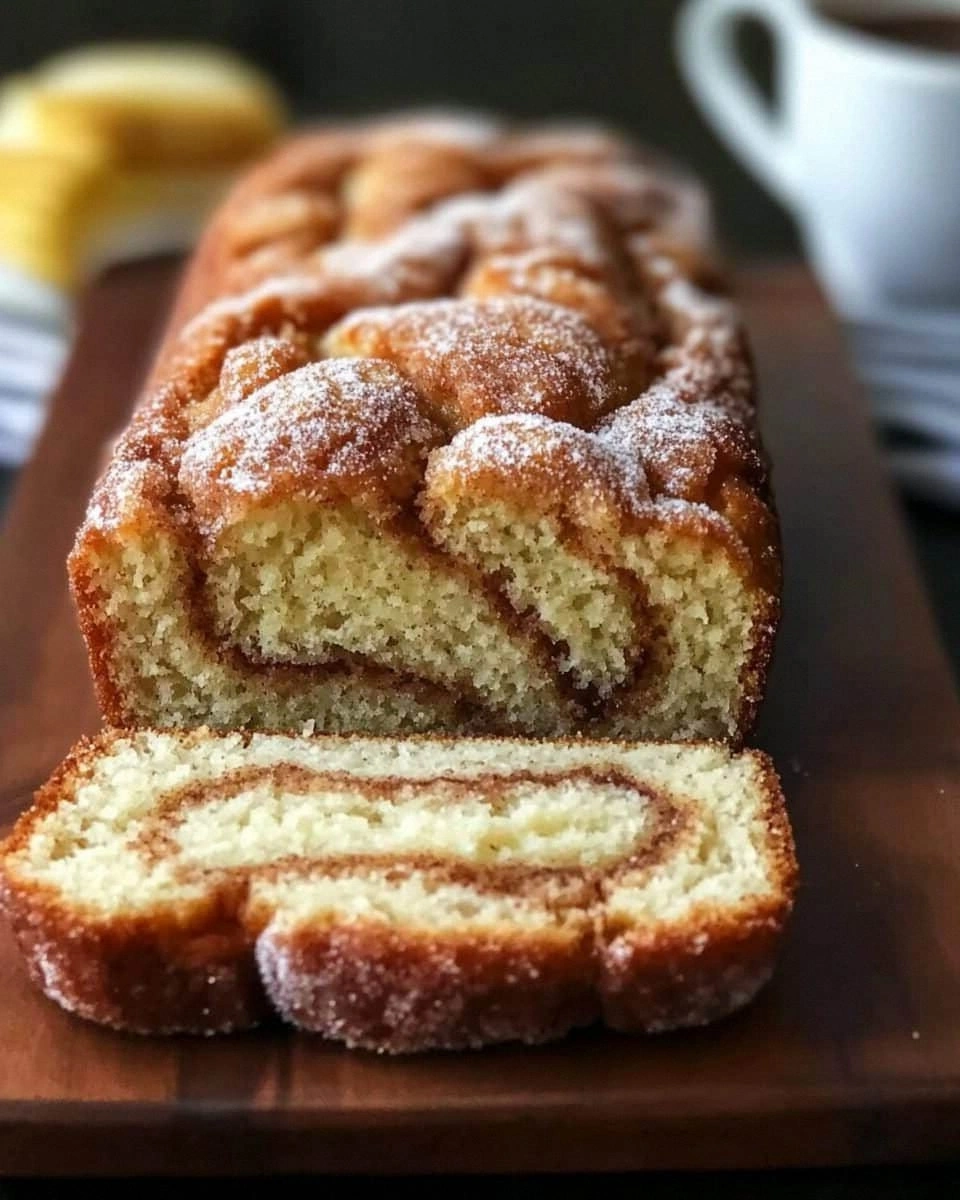
Picture the moment you pull the golden loaf from the oven: the aroma of butter, cinnamon, and caramelized sugar fills the air, and a faint, sweet mist curls around your hands. You slice a piece, and the crumb feels airy, almost like a cloud, yet the surface is crisp enough to crack under a fork. The glaze glistens like a sugary halo, catching the light as you twist a piece of dough, revealing a swirling ribbon of cinnamon that looks like a tiny, edible candy cane. The first bite delivers a burst of warm spice, followed by a buttery softness that lingers on the palate like a gentle hug.
This isn’t just another recipe; it’s a culinary confession. I’ll be honest—after the first slice, I nearly devoured the entire loaf before anyone else could even taste it. Most recipes get this completely wrong: they either over‑bake the dough, leaving it dry, or under‑bake it, resulting in a gummy mess. Here’s what actually works: a balanced yeast rise, a precise swirl technique, and a glaze that’s both sweet and silky. I dare you to taste this and not go back for seconds.
If you’ve ever struggled with donut bread, you’re not alone—and I’ve got the fix. The secret lies in the swirl, the glaze, and a few micro‑challenges that keep you engaged. Picture yourself pulling this out of the oven, the whole kitchen smelling incredible, and knowing you’ve just created something that feels like a bakery’s warm hug. This version stands out because I’ve combined the best of classic donut bread with a modern twist that elevates the flavor profile and texture.
Let me walk you through every single step—by the end, you'll wonder how you ever made it any other way. From the first whisk to the final glaze, we’ll explore the science, the artistry, and a few kitchen hacks that’ll make your life easier. The recipe is hands down the best version you'll ever make at home, and I’m excited to share every detail with you. So, grab your apron, and let’s dive into this buttery, cinnamon‑swirled adventure together.
What Makes This Version Stand Out
- Taste: The caramelized sugar in the dough creates a subtle sweetness that balances the sharpness of cinnamon, delivering a flavor profile that feels both comforting and adventurous.
- Texture: A perfect yeast rise gives the crumb a light, airy feel, while the glaze adds a glossy, slightly crisp exterior that contrasts delightfully.
- Simplicity: Despite its complex flavor, the recipe uses only a handful of pantry staples—no exotic ingredients or complicated techniques.
- Uniqueness: The swirl technique is a game‑changer, turning ordinary donut bread into a visually stunning, Instagram‑worthy treat.
- Crowd Reaction: Friends and family rave about how it tastes like a bakery staple but is made in a home kitchen, making it a conversation starter at gatherings.
- Ingredient Quality: Using real butter and whole‑milk ensures depth of flavor; the recipe scales well whether you’re baking for two or twenty.
- Cooking Method: A single pan bake eliminates the need for multiple steps, making the process streamlined and less intimidating.
- Make‑Ahead Potential: The dough can be refrigerated overnight or frozen for later, allowing you to have fresh bread ready whenever the craving strikes.
Alright, let's break down exactly what goes into this masterpiece...
Inside the Ingredient List
The Flavor Base
All-purpose flour is the backbone of this recipe, providing structure without heaviness. The baking powder and baking soda work together to create lift; the powder ensures a gentle rise while the soda reacts with the acidic brown sugar to produce extra air pockets. Salt is the silent hero that balances sweetness, preventing the dough from tasting flat. Butter, softened to a spreadable consistency, infuses the dough with a rich, velvety flavor that lingers long after the first bite.
The Texture Crew
Granulated sugar caramelizes during baking, giving the crust a subtle crunch and a sweet finish. Brown sugar, packed tightly, adds moisture and a deep molasses note that pairs beautifully with cinnamon. Eggs act as binders, bringing everything together and adding a tender crumb. Whole milk provides moisture and a slight tang, helping the dough rise evenly and giving the bread a soft, pillowy feel.
The Unexpected Star
Vanilla extract is the quiet whisper that elevates the overall flavor profile. It rounds out the sweetness and enhances the warmth of cinnamon, creating a harmonious balance that feels comforting yet sophisticated. When you add it at the right moment—after the dough has warmed—you’ll notice a subtle, aromatic depth that elevates the entire loaf.
The Final Flourish
The swirl mixture—melted butter, brown sugar, and ground cinnamon—creates a ribbon of flavor that is both visual and gustatory. When you fold it into the dough, the swirl becomes a living, breathing cinnamon ribbon that melts into the crumb as it bakes. The glaze, a simple blend of powdered sugar and milk, provides a glossy, sweet finish that clings to each bite. Together, these elements turn an ordinary loaf into a decadent treat that feels like a sweet pastry from a high‑end bakery.
Everything's prepped? Good. Let's get into the real action...
The Method — Step by Step
- Step 1: Activate the Yeast. In a small bowl, combine 1 teaspoon of active dry yeast with 1 cup of warm milk (about 110°F). Stir gently, then let sit for 5–7 minutes until frothy. This froth signals that the yeast is alive and ready to work its magic. If the mixture stays liquid, your yeast may be dead; start over with fresh yeast.
- Step 2: Mix Dry Ingredients. In a large mixing bowl, whisk together 2 cups of all-purpose flour, 1 teaspoon of baking powder, 1 teaspoon of baking soda, ½ teaspoon of salt, and 2 teaspoons of ground cinnamon. The dry mix should be fragrant; a quick sniff reveals the warm spice. This blend ensures the dough has the right lift, flavor, and structure.
- Step 3: Combine Wet Ingredients. In a separate bowl, beat 1 cup of granulated sugar, 1 cup of brown sugar, 2 eggs, and ¼ cup of softened butter until the mixture is smooth and slightly thick. Add the activated yeast mixture and 1 teaspoon of vanilla extract. The batter should feel thick but pourable—think of a thick pancake batter. This wet mix provides moisture and the sweet, buttery base.
- Step 4: Bring It All Together. Pour the wet mixture into the dry ingredients, stirring gently with a wooden spoon or a silicone spatula. Mix until just combined; over‑mixing can develop gluten and make the bread tough. The dough should be sticky but manageable—if it’s too dry, add a tablespoon of milk; if too sticky, add a splash of flour.
- Step 5: First Rise. Cover the bowl with plastic wrap or a damp kitchen towel and let the dough rise in a warm spot for 1 hour, or until it has doubled in size. The dough should feel airy and light, like a cloud that has been gently inflated. If it doesn’t rise, the yeast may have died; repeat the activation step with fresh yeast.
- Step 6: Prepare the Swirl. While the dough rests, melt ¼ cup of butter in a small saucepan over low heat. Stir in ¼ cup of brown sugar and 2 teaspoons of ground cinnamon until the sugar dissolves. This mixture should look glossy and fragrant—like a warm, sweet sauce. Keep it warm; a cold swirl will break when folded into the dough.
- Step 7: Fold the Swirl. After the dough has risen, gently press it onto a lightly floured surface. Flatten it into a rectangle, about 12 × 8 inches. Spread the warm swirl mixture evenly over the dough, leaving a ½ inch border around the edges. Fold the dough in thirds, like a letter, then roll it tightly from the short end. This creates a spiral of cinnamon that will melt into the crumb.
- Step 8: Second Rise. Place the rolled dough into a greased loaf pan, seam side down. Cover loosely with foil and let it rise for 30–45 minutes, until it puffs up to the top of the pan. The dough should feel light and springy to the touch. This second rise is crucial for a fluffy interior.
- Step 9: Bake to Perfection. Preheat the oven to 375°F (190°C). Bake the loaf for 30–35 minutes, or until the top is golden brown and a toothpick inserted in the center comes out clean. The aroma that fills the kitchen at this point is the hallmark of success—warm, buttery, and cinnamon‑laden.
- Step 10: Glaze and Cool. While the bread is still hot, whisk together ¼ cup powdered sugar with 1 tablespoon of milk until smooth. Drizzle the glaze over the loaf, letting it pool on the sides. Allow the bread to cool in the pan for 10 minutes before transferring to a wire rack. The glaze will set into a glossy sheen that makes the loaf look irresistible.
That's it—you did it. But hold on, I've got a few more tricks that'll take this to another level. These insider tips will help you avoid common pitfalls and elevate the flavor profile even further.
Insider Tricks for Flawless Results
The Temperature Rule Nobody Follows
The temperature of the milk when activating yeast is critical. If the milk is too hot, it kills the yeast; if too cold, the yeast won’t activate properly. Aim for 110°F (43°C) and use a kitchen thermometer for precision. A quick test: after adding the yeast, let it sit for 5 minutes; if it becomes frothy, you’re good to go.
Why Your Nose Knows Best
The smell of the dough rising is a reliable indicator of progress. A warm, yeasty aroma signals that the dough is developing the right flavor. If you notice a sour or metallic smell, the yeast may have over‑fermented. Trust your nose, and if it smells off, let the dough rest longer or start anew.
The 5‑Minute Rest That Changes Everything
After the second rise, let the loaf rest in the pan for 5 minutes before removing it. This pause allows the structure to set, preventing the bread from collapsing when you transfer it. It also lets the glaze set slightly, making it easier to slice cleanly.
Keep It Moist, Not Wet
If you add too much milk during mixing, the dough can become overly wet and sticky, which makes it difficult to handle and can result in a gummy interior. Use the exact measurements, and if you need to adjust, add a tablespoon of flour at a time until the dough feels right.
The Secret of a Crispy Crust
Sprinkling a pinch of coarse sea salt on top before baking creates a subtle crunch that contrasts beautifully with the soft crumb. The salt also enhances the overall flavor profile by balancing the sweetness.
The Final Touch of Butter
After the bread has cooled, brush the top with a thin layer of melted butter. This step adds shine, flavor, and helps keep the bread from drying out. It also gives the loaf a bakery‑like finish that will impress anyone who sees it.
Creative Twists and Variations
This recipe is a playground. Here are some of my favorite ways to switch things up:
Chocolate Swirl Donut Bread
Replace the cinnamon swirl with a rich chocolate ganache made from melted dark chocolate and a splash of heavy cream. The chocolate will melt into the loaf, creating pockets of molten sweetness. This version pairs wonderfully with a cup of espresso or a hot cocoa.
Apple Cinnamon Donut Bread
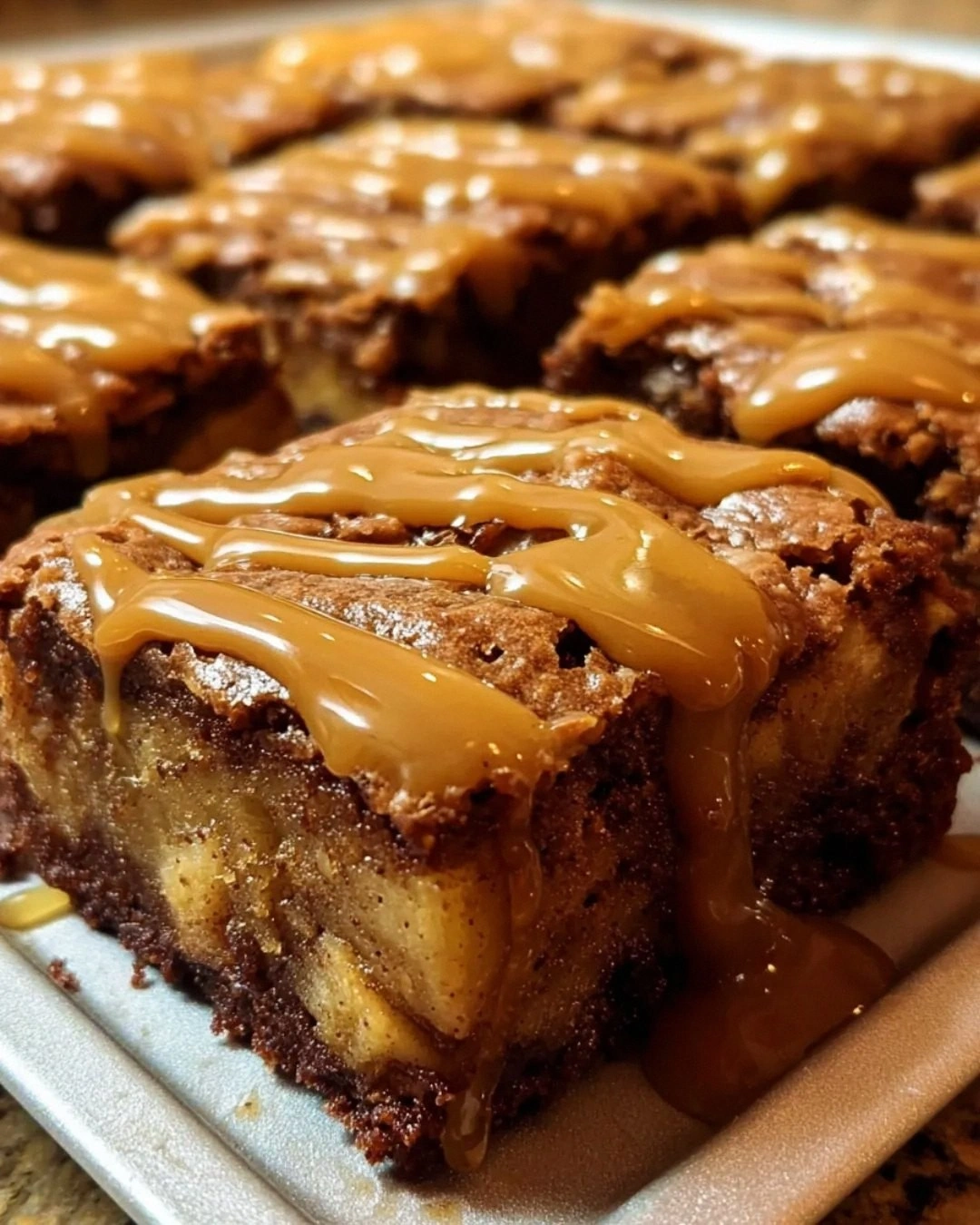
Fold in finely diced apples and a pinch of nutmeg before the second rise. The apples add juiciness and a subtle tartness that balances the sweet dough. A drizzle of caramel sauce after baking completes the flavor profile.
Almond Joy Donut Bread
Add ½ cup of toasted sliced almonds and ¼ cup of shredded coconut to the dough. After baking, top with a coconut‑almond glaze made from powdered sugar and coconut milk. The crunchy nuts and chewy coconut create a tropical twist.
Pumpkin Spice Donut Bread
Incorporate ½ cup of pumpkin puree and a dash of pumpkin pie spice into the dough. The pumpkin adds moisture and a subtle earthy sweetness. A dusting of cinnamon on top after glazing gives a festive touch.
Espresso‑Infused Donut Bread
Add 1 tablespoon of instant espresso powder to the dry mix. The espresso deepens the chocolate notes in the dough and adds a slight bitterness that balances the sweetness. Serve with a latte for a coffee shop vibe at home.
Lemon‑Zest Donut Bread
Replace the vanilla with 1 tablespoon of lemon zest and reduce the sugar by ¼ cup. The bright citrus aroma lifts the dough, creating a fresh, summery flavor. A lemon glaze made from powdered sugar and lemon juice finishes it off.
Storing and Bringing It Back to Life
Fridge Storage
Wrap the cooled loaf tightly in plastic wrap or place it in an airtight container. Store in the refrigerator for up to 5 days. The bread stays moist, and the glaze retains its glossy finish. When ready to eat, let it sit at room temperature for 15 minutes to soften.
Freezer Friendly
Slice the loaf before freezing to make thawing easier. Wrap each slice in parchment paper and then in foil. Freeze for up to 3 months. When you want to enjoy a slice, thaw at room temperature for 30 minutes, then warm in a toaster oven at 350°F for 5 minutes.
Best Reheating Method
To revive the bread, preheat the oven to 350°F (175°C). Place the loaf on a baking sheet and bake for 10 minutes, or until the crust is crisp and the interior is heated through. Add a splash of water to the pan before baking to create steam, which keeps the crumb soft and prevents it from drying out. Finish with a light dusting of powdered sugar for extra sweetness.
Final Thoughts
When you first bite into this cinnamon‑swirled masterpiece, you’ll notice an immediate wave of nostalgia—like a warm hug from a childhood kitchen. The layers of flavor, the contrast between the soft crumb and the glossy glaze, and the aromatic swirl all come together to create a sensory experience that’s hard to forget. I’ve spent countless hours tweaking this recipe, and every iteration brings me closer to the perfect balance of sweet, buttery, and spiced. The result is a loaf that feels like a bakery staple, but with the comfort and familiarity of home baking.
What makes this recipe truly special is that it invites you to experiment. Whether you’re a seasoned baker or a kitchen newbie, the process is straightforward, and the outcome is spectacular. From the first rise to the final glaze, every step is designed to maximize flavor and texture. So, next time you’re craving something sweet, reach for this recipe and let the dough do its thing. You’ll find that the end result is a loaf that not only satisfies your sweet tooth but also becomes a cherished family favorite.
If you decide to share this with friends, I guarantee you’ll hear the phrase “Where did you learn this?” over and over again. The combination of buttery dough, cinnamon swirl, and glossy glaze is a winning trio that will have everyone asking for your secret. Remember, the key to success is patience, attention to detail, and a willingness to tweak the recipe to your taste. Enjoy the process, savor the results, and most importantly, share the joy of baking with those around you.