
Halibut Steaks
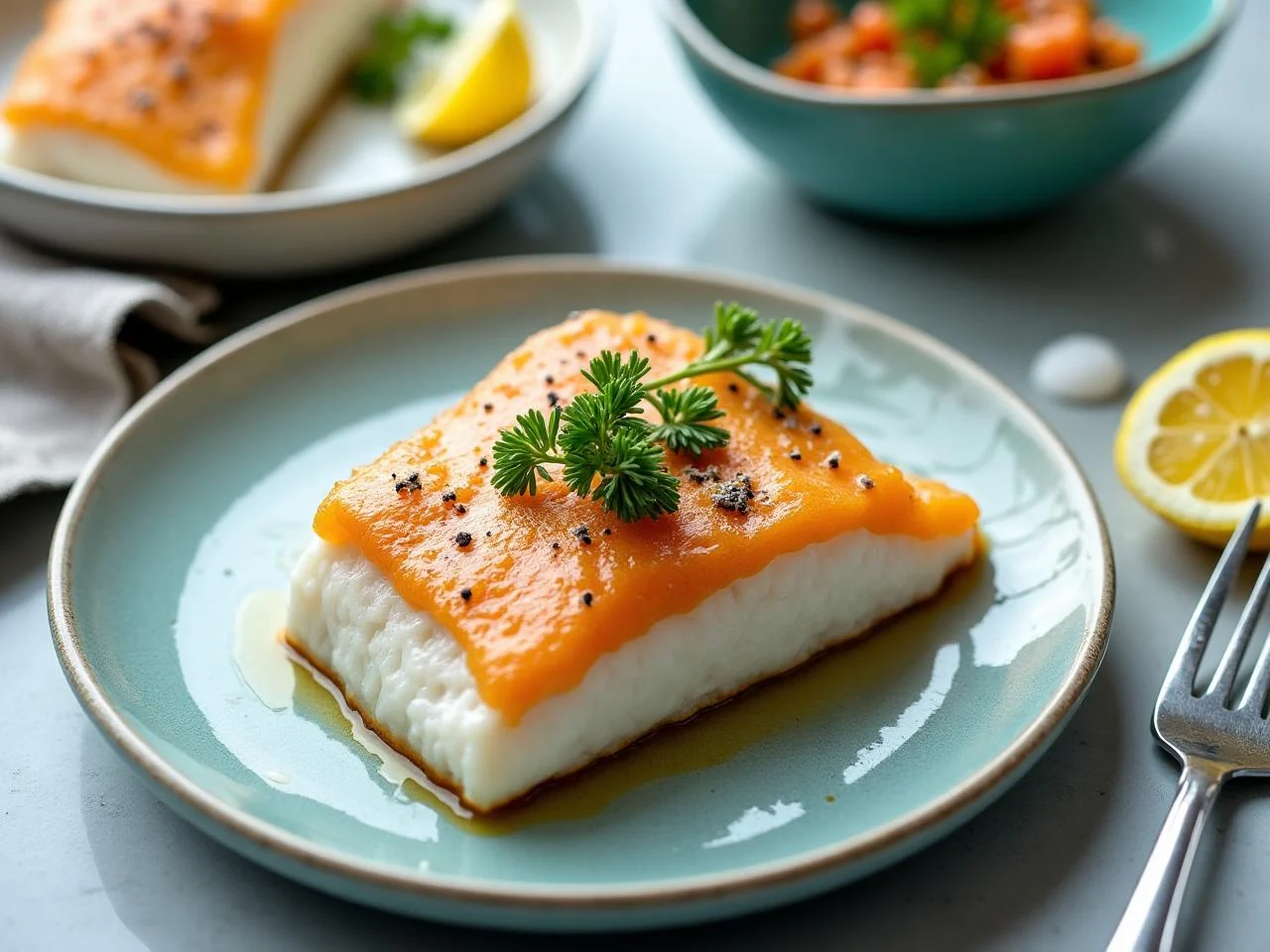
As a coastal home cook and former fishmonger's daughter, I've always had a love for seafood. One of my favorite ways to enjoy it is with a simple yet flavorful halibut steak recipe. There's something about the combination of a crispy crust and a tender interior that just can't be beat.
I remember the first time I tried cooking halibut steaks at home. I was a bit nervous, not knowing if I could replicate the same level of quality as my favorite seafood restaurant. But with a few simple tips and tricks, I was able to create a dish that was not only delicious but also surprisingly easy to make.
What makes this recipe special is the focus on using fresh, high-quality ingredients and simple yet effective techniques. By following these steps, you'll be able to create a restaurant-quality dish in the comfort of your own home. Whether you're a seafood lover or just looking for a new recipe to try, this halibut steak recipe is sure to become a favorite.
This recipe is perfect for anyone looking for a quick and easy seafood dinner. With a cook time of just 12-15 minutes, you can have a delicious and healthy meal on the table in no time. And with the option to serve with a variety of sides, from roasted vegetables to quinoa or rice, you can customize the dish to suit your tastes.
So why not give it a try? With this recipe, you'll be able to enjoy the flavors of the ocean in the comfort of your own home, without breaking the bank or sacrificing flavor.
Why You’ll Love This Recipe
- This recipe is easy to make and requires minimal ingredients
- The dish is quick to cook, with a total cook time of just 12-15 minutes
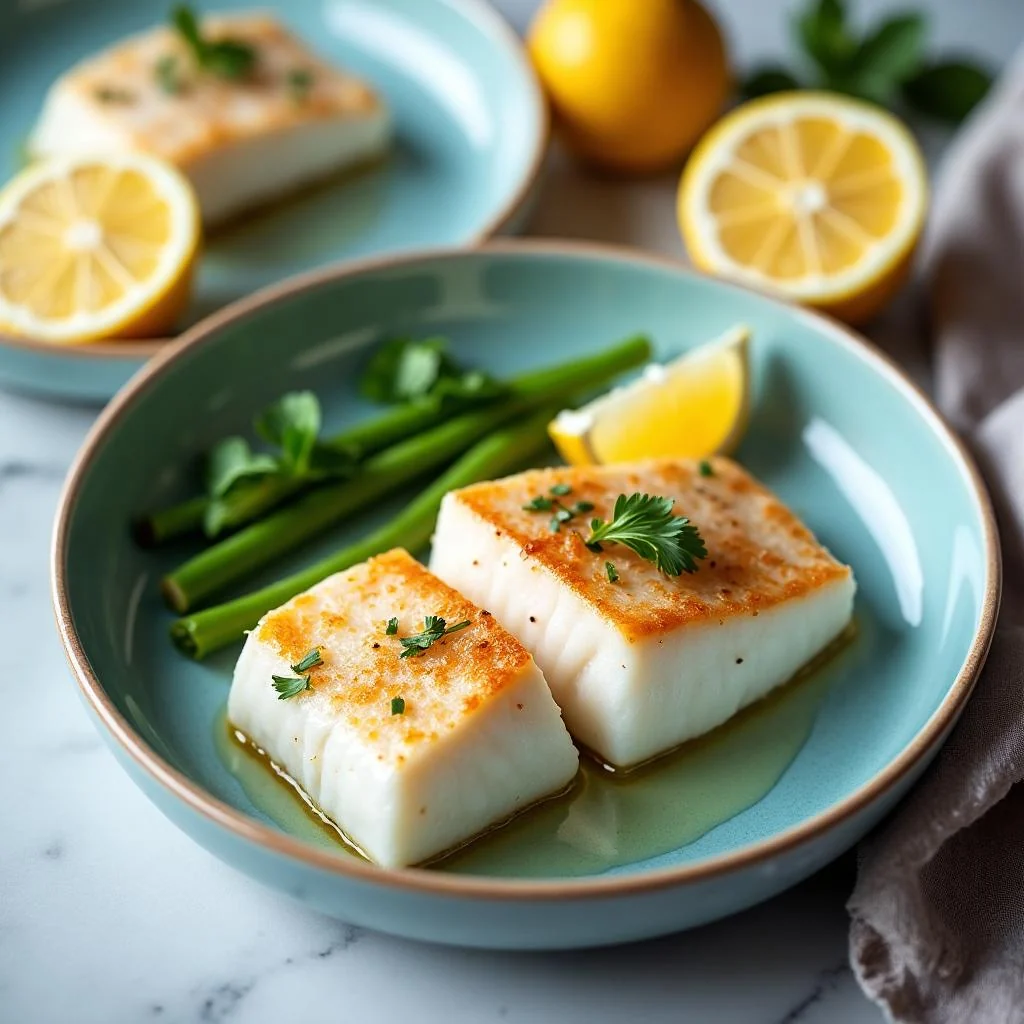
- The halibut steaks are flavorful and moist, with a crispy crust on the outside
- The recipe is customizable, with options to serve with a variety of sides
- The dish is healthy and nutritious, with a good balance of protein and omega-3 fatty acids
- The recipe is perfect for a weeknight dinner or a special occasion
- The dish is impressive and sure to impress your guests
Why This Recipe Works
The key to a great halibut steak is in the cooking technique. By using a combination of high heat and a small amount of oil, you can achieve a crispy crust on the outside while keeping the inside tender and moist. This is because the high heat helps to sear the fish quickly, locking in the juices and flavors.
Another important factor is the doneness of the fish. By cooking the halibut to an internal temperature of 145 F (63 C), you can ensure that it is cooked through and safe to eat. This is especially important when cooking seafood, as undercooked fish can be a food safety risk.
In addition to the cooking technique, the ingredients used in this recipe also play a crucial role. The use of fresh herbs and lemon juice adds a bright and citrusy flavor to the dish, while the garlic and paprika provide a depth of flavor and aroma. By combining these ingredients in the right proportions, you can create a dish that is both flavorful and balanced.
Ingredients You’ll Need
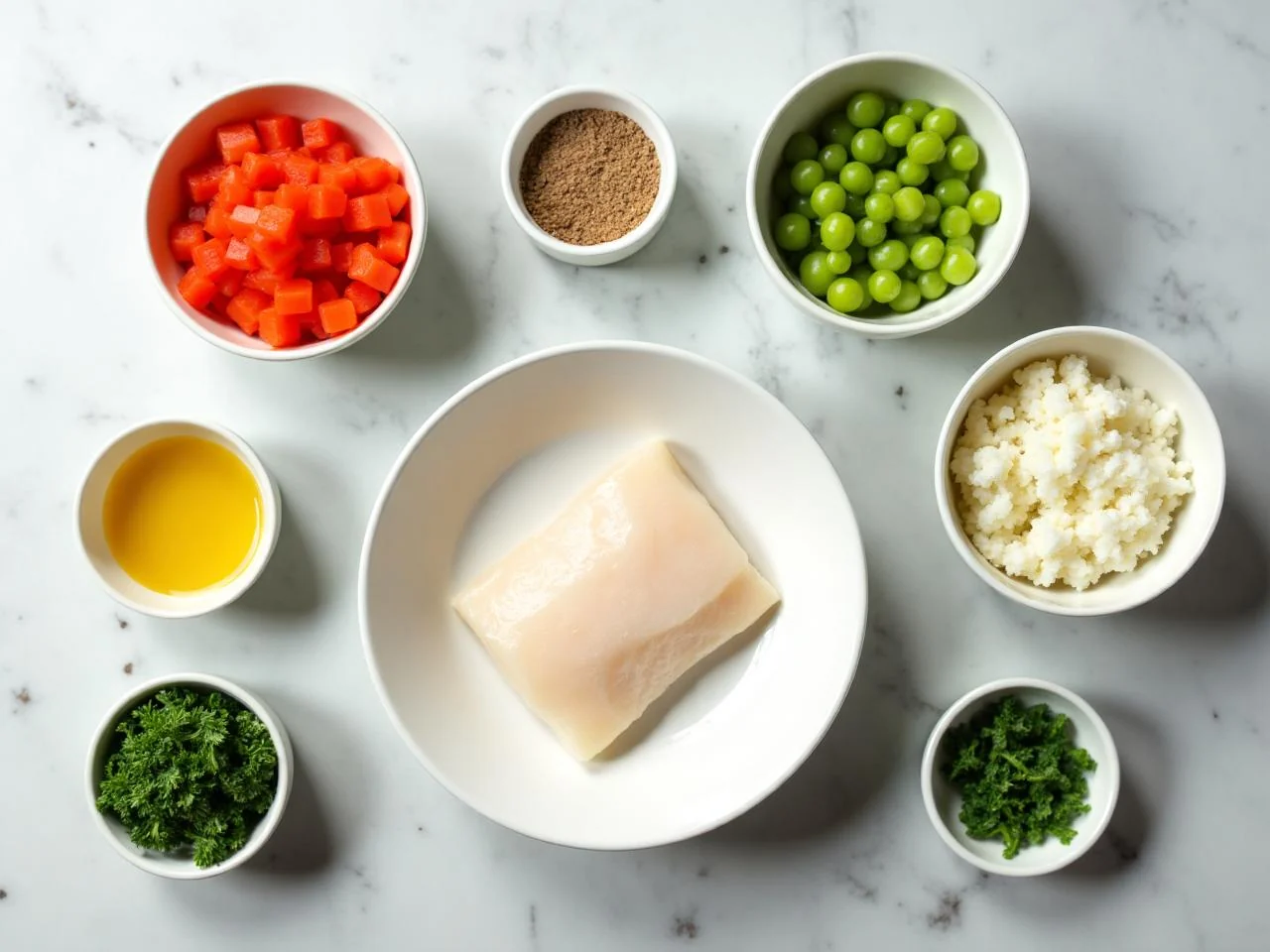
When it comes to cooking halibut steaks, the ingredients are just as important as the technique. You'll want to use fresh, high-quality ingredients to get the best flavor and texture. Look for halibut steaks that are firm and have a fresh smell, and choose ingredients like lemon juice and garlic that are bright and flavorful.
In addition to the halibut steaks, you'll also need a few pantry staples like olive oil, salt, and pepper. You can also customize the dish with your favorite herbs and spices, such as parsley or paprika.
- 4 halibut steaks, 6 oz (170g) eachLook for fresh, sustainable halibut with a firm texture and a fresh smell. You can also use other types of white fish like cod or tilapia
- 2 tbsp olive oilUse a high-quality olive oil with a mild flavor to avoid overpowering the fish
- 1 tsp saltUse kosher salt or sea salt for the best flavor. You can also use other types of salt, but be aware that they may have a stronger flavor
- 1/2 tsp black pepperUse freshly ground black pepper for the best flavor. You can also use other types of pepper, but be aware that they may have a different flavor profile
- 2 cloves garlic, mincedUse fresh garlic for the best flavor. You can also use jarred garlic or garlic powder, but be aware that they may have a different flavor profile
- 1 tsp dried paprikaUse smoked or sweet paprika for a deeper flavor. You can also use other types of paprika, but be aware that they may have a different flavor profile
- 2 tbsp lemon juiceUse fresh lemon juice for the best flavor. You can also use bottled lemon juice, but be aware that it may have a different flavor profile
- 1/4 cup chopped fresh parsleyUse fresh parsley for the best flavor. You can also use other types of herbs, such as dill or basil, but be aware that they may have a different flavor profile
- 2 tbsp unsalted butterUse high-quality butter with a mild flavor to avoid overpowering the fish. You can also use other types of fat, such as olive oil or avocado oil, but be aware that they may have a different flavor profile
- Salt and pepper to tasteUse kosher salt and freshly ground black pepper to taste. You can also use other types of salt and pepper, but be aware that they may have a different flavor profile
Equipment You’ll Need
How to Make Halibut Steaks
- 1Preheat your skillet or sauté pan over medium-high heat. While the pan is heating up, pat the halibut steaks dry with a paper towel to remove excess moisture.
- 2Season the halibut steaks with salt, pepper, and paprika. Make sure to coat the fish evenly, but don't overdo it - you want to be able to taste the fish, not just the seasoning.
- 3Add the olive oil to the preheated pan and swirl it around to coat the bottom. Then, add the garlic and sauté for 1-2 minutes until fragrant. Be careful not to burn the garlic - it can quickly go from perfectly toasted to burnt and bitter.
- 4Add the halibut steaks to the pan, skin side up (if they have skin). Sear the fish for 3-4 minutes on the first side, or until it develops a golden brown crust. You may see a few white spots on the surface of the fish - this is just the proteins coagulating and is completely normal.
- 5Flip the halibut steaks over and sear for an additional 3-4 minutes, or until they reach an internal temperature of 145 F (63 C). Use an instant-read thermometer to check the temperature, and make sure to insert the probe into the thickest part of the fish.
- 6Remove the halibut steaks from the pan and place them on a plate to rest. Tent the plate with foil to keep the fish warm.
- 7Reduce the heat to medium and add the butter to the pan. Once the butter has melted, whisk in the lemon juice and cook for 1-2 minutes until the sauce has thickened slightly. You can also add some chopped herbs or spices to the sauce for extra flavor.
- 8Serve the halibut steaks with the lemon butter sauce spooned over the top. Garnish with chopped parsley and serve immediately.
- 9Let the fish rest for 2-3 minutes before serving. This will allow the juices to redistribute and the fish to stay moist and tender.
- 10Serve the halibut steaks with your choice of sides, such as roasted vegetables, quinoa, or rice. You can also serve with a salad or some crusty bread for a more filling meal.
Expert Tips
- Make sure to pat the halibut steaks dry before cooking to remove excess moisture. This will help the fish sear better and prevent it from steaming instead of browning.
- Don't overcook the halibut steaks - they should be cooked until they reach an internal temperature of 145 F (63 C). Overcooking can make the fish dry and tough.
- Use a thermometer to check the internal temperature of the fish. This is the most accurate way to ensure that the fish is cooked to a safe temperature.
- Let the fish rest for a few minutes before serving. This will allow the juices to redistribute and the fish to stay moist and tender.
- Experiment with different seasonings and sauces to find your favorite flavor combination. You can also add some acidity, such as lemon juice or vinegar, to brighten up the dish.
- Consider using a cast-iron or stainless steel pan, as these retain heat well and can achieve a nice sear on the fish. Avoid using non-stick pans, as they can't handle high heat and may damage the fish.
- Don't overcrowd the pan - cook the halibut steaks one or two at a time, depending on the size of your pan. This will help prevent the fish from steaming instead of browning.
- Keep the pan hot - if the pan is too cool, the fish won't sear properly and may stick to the pan.
Common Mistakes to Avoid
- Overcooking the halibut steaks - this can make the fish dry and tough.
- Not patting the halibut steaks dry before cooking - this can prevent the fish from searing properly and may cause it to steam instead of brown.
- Not using a thermometer to check the internal temperature of the fish - this can lead to undercooked or overcooked fish.
- Overcrowding the pan - this can prevent the fish from cooking evenly and may cause it to steam instead of brown.
- Not letting the fish rest before serving - this can cause the juices to run out of the fish and make it dry and tough.
- Not using fresh and high-quality ingredients - this can affect the flavor and texture of the dish.
Variations and Substitutions
- Try using different types of fish, such as cod or tilapia, for a similar flavor and texture.
- Add some acidity, such as lemon juice or vinegar, to brighten up the dish.
- Experiment with different seasonings and sauces to find your favorite flavor combination.
- Add some aromatics, such as onions or bell peppers, to the pan for added flavor.
- Try using different types of fat, such as olive oil or avocado oil, for a unique flavor profile.
- Add some heat, such as red pepper flakes or hot sauce, to the dish for an extra kick.
- Serve the halibut steaks with a side of quinoa or rice for a more filling meal.
What to Serve With Halibut Steaks
Serve the halibut steaks with your choice of sides, such as roasted vegetables, quinoa, or rice. You can also serve with a salad or some crusty bread for a more filling meal.
Some other options for sides include roasted asparagus, grilled bell peppers, or sautéed spinach. You can also serve with a side of tartar sauce or cocktail sauce for a more traditional seafood flavor.
Make-Ahead, Storage, Freezing and Reheating
If you want to make the halibut steaks ahead of time, you can cook them and then store them in the refrigerator for up to 24 hours. Simply reheat the fish in the oven or on the stovetop before serving.
To freeze the halibut steaks, cook them first and then let them cool to room temperature. Wrap the fish tightly in plastic wrap or aluminum foil and place it in a freezer-safe bag. Frozen halibut steaks will keep for up to 3 months.
To reheat frozen halibut steaks, simply thaw them overnight in the refrigerator and then reheat them in the oven or on the stovetop. You can also reheat them in the microwave, but be careful not to overcook the fish.
When reheating the halibut steaks, make sure to cook them until they reach an internal temperature of 145 F (63 C). Use a thermometer to check the temperature, and make sure to insert the probe into the thickest part of the fish.
Frequently Asked Questions
What is the best way to cook halibut steaks?
The best way to cook halibut steaks is to pan-sear them with a small amount of oil and then finish them in the oven. This will help to create a crispy crust on the outside while keeping the inside tender and moist.
How do I know when the halibut steaks are done?
The best way to know when the halibut steaks are done is to use a thermometer to check the internal temperature. The fish should be cooked to an internal temperature of 145 F (63 C). You can also check the fish for doneness by inserting a fork or knife into the thickest part of the fish - if it slides in easily, the fish is cooked through.
Can I use other types of fish for this recipe?
Yes, you can use other types of fish for this recipe. Some good options include cod, tilapia, or mahi-mahi. Just be aware that the cooking time may vary depending on the type of fish you use.
How do I store leftover halibut steaks?
You can store leftover halibut steaks in the refrigerator for up to 24 hours. Simply reheat the fish in the oven or on the stovetop before serving. You can also freeze the halibut steaks for up to 3 months - simply thaw them overnight in the refrigerator and then reheat them in the oven or on the stovetop.
Can I make this recipe ahead of time?
Yes, you can make this recipe ahead of time. Simply cook the halibut steaks and then store them in the refrigerator for up to 24 hours. Reheat the fish in the oven or on the stovetop before serving.
What is the nutritional information for this recipe?
The nutritional information for this recipe will depend on the specific ingredients you use. However, a typical serving of halibut steaks (6 oz or 170g) contains around 200-250 calories, 30-40g of protein, and 10-15g of fat.
Can I use frozen halibut steaks for this recipe?
Yes, you can use frozen halibut steaks for this recipe. Simply thaw the fish overnight in the refrigerator and then cook it according to the recipe instructions.
How do I prevent the halibut steaks from sticking to the pan?
To prevent the halibut steaks from sticking to the pan, make sure to pat them dry with a paper towel before cooking. You can also add a small amount of oil to the pan before cooking the fish.
Can I serve this recipe with a side of sauce or marinade?
Yes, you can serve this recipe with a side of sauce or marinade. Some good options include tartar sauce, cocktail sauce, or a simple marinade made with lemon juice and herbs.
Ingredients
- 4 halibut steaks, 6 oz (170g) each
- 2 tbsp olive oil
- 1 tsp salt
- 1/2 tsp black pepper
- 2 cloves garlic, minced
- 1 tsp dried paprika
- 2 tbsp lemon juice
- 1/4 cup chopped fresh parsley
- 2 tbsp unsalted butter
- Salt and pepper to taste
Instructions
- Preheat your skillet or sauté pan over medium-high heat. While the pan is heating up, pat the halibut steaks dry with a paper towel to remove excess moisture.
- Season the halibut steaks with salt, pepper, and paprika. Make sure to coat the fish evenly, but don't overdo it - you want to be able to taste the fish, not just the seasoning.
- Add the olive oil to the preheated pan and swirl it around to coat the bottom. Then, add the garlic and sauté for 1-2 minutes until fragrant. Be careful not to burn the garlic - it can quickly go from perfectly toasted to burnt and bitter.
- Add the halibut steaks to the pan, skin side up (if they have skin). Sear the fish for 3-4 minutes on the first side, or until it develops a golden brown crust. You may see a few white spots on the surface of the fish - this is just the proteins coagulating and is completely normal.
- Flip the halibut steaks over and sear for an additional 3-4 minutes, or until they reach an internal temperature of 145 F (63 C). Use an instant-read thermometer to check the temperature, and make sure to insert the probe into the thickest part of the fish.
- Remove the halibut steaks from the pan and place them on a plate to rest. Tent the plate with foil to keep the fish warm.
- Reduce the heat to medium and add the butter to the pan. Once the butter has melted, whisk in the lemon juice and cook for 1-2 minutes until the sauce has thickened slightly. You can also add some chopped herbs or spices to the sauce for extra flavor.
- Serve the halibut steaks with the lemon butter sauce spooned over the top. Garnish with chopped parsley and serve immediately.
- Let the fish rest for 2-3 minutes before serving. This will allow the juices to redistribute and the fish to stay moist and tender.
- Serve the halibut steaks with your choice of sides, such as roasted vegetables, quinoa, or rice. You can also serve with a salad or some crusty bread for a more filling meal.