
Grilled Salmon Steaks
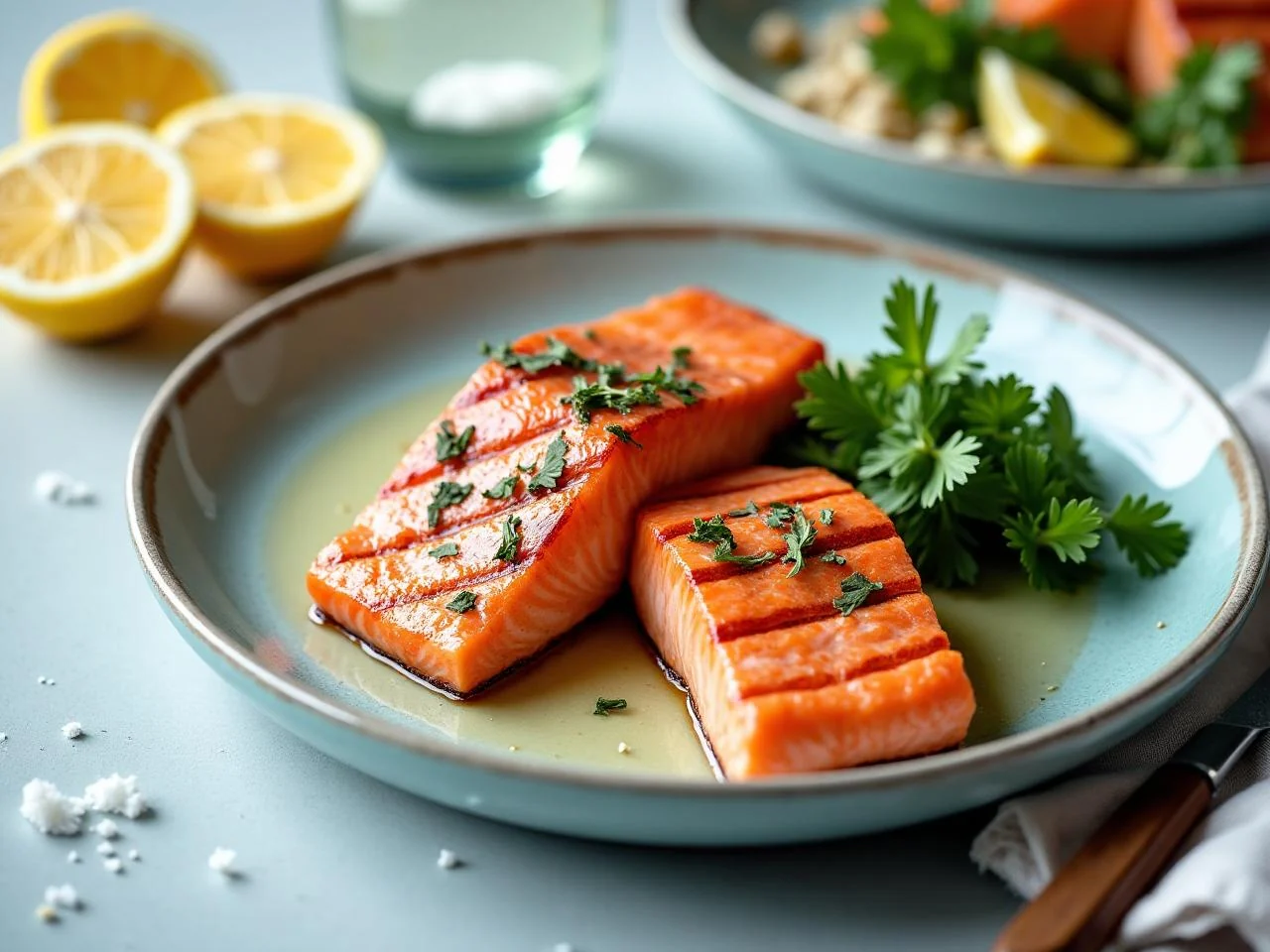
As a coastal home cook, I've always been drawn to the simplicity and flavor of grilled salmon steaks. There's something special about the way the smoky heat of the grill enhances the rich flavor of the salmon, and the way the crispy crust gives way to a tender, flaky interior.
I remember growing up, my father, a fishmonger, would always bring home the freshest catch of the day, and my mother would grill it to perfection. The smell of sizzling fish and the sound of the surf in the background are memories that I cherish to this day.
Today, I want to share with you my foolproof recipe for grilled salmon steaks. This recipe is perfect for anyone who's nervous about cooking fish, as it's easy to follow and requires minimal ingredients. The result is a dish that's not only delicious but also impressive, making it perfect for a special occasion or a quick weeknight dinner.
One of the things that sets this recipe apart is the focus on visual and tactile doneness cues. Rather than relying on a timer, we'll be cooking the salmon until it reaches a perfect medium-rare, with a crispy crust and a tender interior. This approach ensures that the fish is cooked to perfection every time, without the risk of overcooking.
So, if you're ready to take your grilling game to the next level and impress your friends and family with a delicious and easy-to-make dish, then keep reading. This recipe is perfect for anyone who loves seafood and is looking for a new way to prepare it.
Why You’ll Love This Recipe
- This recipe is easy to follow and requires minimal ingredients, making it perfect for a quick weeknight dinner.
- The combination of a hot grill, a flavorful marinade, and a gentle touch results in a crispy crust and a tender interior.
- The use of visual and tactile doneness cues ensures that the salmon is cooked to perfection every time, without the risk of overcooking.
- The addition of a flavorful sauce adds a richness and depth of flavor to the dish, and helps to balance out the flavors of the salmon and the marinade.
- This recipe is perfect for anyone who loves seafood and is looking for a new way to prepare it.
- The dish is impressive and perfect for a special occasion, but also easy enough to make for a quick weeknight dinner.
Why This Recipe Works
The key to this recipe is the combination of a hot grill, a flavorful marinade, and a gentle touch. By preheating the grill to high heat, we're able to achieve a crispy crust on the salmon, while the marinade adds a depth of flavor that complements the fish perfectly.
Another important aspect of this recipe is the use of visual and tactile doneness cues. By cooking the salmon until it reaches a perfect medium-rare, we're able to ensure that it's cooked to perfection every time, without the risk of overcooking.
The final touch is the addition of a flavorful sauce, made with a combination of butter, lemon juice, and herbs. This sauce adds a richness and depth of flavor to the dish, and helps to balance out the flavors of the salmon and the marinade.
Ingredients You’ll Need
When it comes to ingredients, the key to this recipe is to use the freshest and highest-quality ingredients possible. The salmon should be wild-caught and sashimi-grade, and the marinade should be made with a combination of fresh herbs and spices.
One of the most important ingredients in this recipe is the salmon itself. Look for wild-caught salmon that's been sustainably sourced and is free of any added preservatives or chemicals. The marinade is also crucial, as it adds a depth of flavor to the dish and helps to balance out the flavors of the salmon.
- 4 salmon steaks (6 oz each)Look for wild-caught salmon that's been sustainably sourced and is free of any added preservatives or chemicals. The salmon should be sashimi-grade and have a firm texture and a rich, meaty flavor.
- 1/4 cup olive oilUse a high-quality olive oil that's rich in flavor and has a smooth texture. The olive oil will help to add moisture to the salmon and balance out the flavors of the marinade.
- 2 tbsp freshly squeezed lemon juiceUse freshly squeezed lemon juice that's rich in flavor and has a bright, citrusy taste. The lemon juice will help to add a tangy flavor to the dish and balance out the richness of the salmon.
- 2 tbsp chopped fresh dillUse fresh dill that's been chopped finely and has a bright, fresh flavor. The dill will help to add a fresh and herbaceous flavor to the dish and balance out the flavors of the salmon and the marinade.
- 2 tbsp chopped fresh parsleyUse fresh parsley that's been chopped finely and has a bright, fresh flavor. The parsley will help to add a fresh and herbaceous flavor to the dish and balance out the flavors of the salmon and the marinade.
- 2 cloves garlic, mincedUse fresh garlic that's been minced finely and has a rich, pungent flavor. The garlic will help to add a depth of flavor to the dish and balance out the flavors of the salmon and the marinade.
- 1 tsp saltUse a high-quality salt that's rich in flavor and has a smooth texture. The salt will help to add a savory flavor to the dish and balance out the flavors of the salmon and the marinade.
- 1/2 tsp black pepperUse a high-quality black pepper that's rich in flavor and has a smooth texture. The black pepper will help to add a savory flavor to the dish and balance out the flavors of the salmon and the marinade.
- 1/4 cup white wine (optional)Use a dry white wine that's rich in flavor and has a smooth texture. The white wine will help to add a depth of flavor to the dish and balance out the flavors of the salmon and the marinade.
- 1/4 cup chicken broth (optional)Use a low-sodium chicken broth that's rich in flavor and has a smooth texture. The chicken broth will help to add a depth of flavor to the dish and balance out the flavors of the salmon and the marinade.
- 2 tbsp unsalted butterUse a high-quality unsalted butter that's rich in flavor and has a smooth texture. The butter will help to add a rich and creamy flavor to the dish and balance out the flavors of the salmon and the marinade.
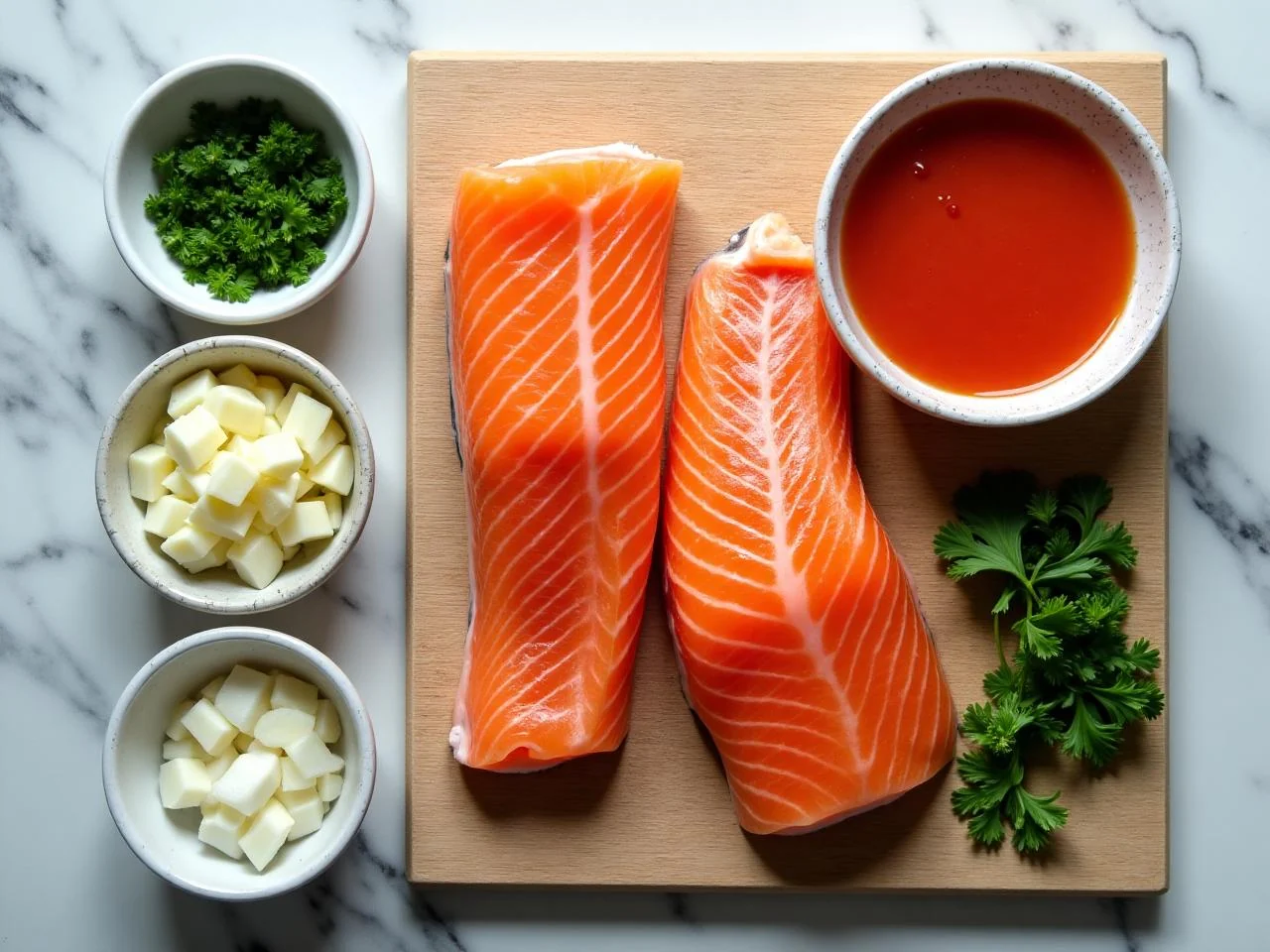
Equipment You’ll Need
How to Make Grilled Salmon Steaks
- 1Preheat the grill to high heat, about 450°F (230°C).
- 2In a small bowl, whisk together the olive oil, lemon juice, dill, parsley, garlic, salt, and pepper to make the marinade.
- 3Place the salmon steaks in a large ziplock bag or a shallow dish, and pour the marinade over them. Seal the bag or cover the dish with plastic wrap, and refrigerate for at least 30 minutes or up to 2 hours.
- 4Remove the salmon from the marinade, and pat it dry with paper towels to remove excess moisture.
- 5Place the salmon steaks on the preheated grill, and cook for 4-5 minutes per side, or until they reach an internal temperature of 130°F (54°C) for medium-rare.
- 6While the salmon is cooking, melt the butter in a small saucepan over medium heat. Add the white wine and chicken broth (if using), and cook until the liquid has reduced by half, stirring occasionally.
- 7Once the salmon is cooked, remove it from the grill, and place it on a plate or serving platter. Spoon the sauce over the top of the salmon, and serve immediately.
- 8Garnish with fresh herbs and lemon wedges, if desired.
- 9Let the salmon rest for a few minutes before serving, to allow the juices to redistribute and the fish to retain its moisture.
- 10Serve the salmon with your choice of sides, such as roasted vegetables, quinoa, or a salad.
- 11Store any leftovers in an airtight container in the refrigerator for up to 3 days, and reheat gently before serving.
Expert Tips
- Make sure to pat the salmon dry with paper towels before grilling to remove excess moisture and promote a crispy crust.
- Don't overcrowd the grill, as this can lower the temperature and prevent the salmon from cooking evenly.
- Use a meat thermometer to ensure the salmon is cooked to a safe internal temperature.
- Let the salmon rest for a few minutes before serving to allow the juices to redistribute and the fish to retain its moisture.
- Experiment with different marinades and sauces to find your favorite flavor combinations.
- Consider grilling other types of fish or seafood, such as shrimp or scallops, for a delicious and easy meal.
- Don't be afraid to get creative with your sides and add some roasted vegetables or a salad to your meal.
- If you're short on time, you can also cook the salmon in a skillet on the stovetop, using a little bit of oil and cooking for 3-4 minutes per side.
Common Mistakes to Avoid
- Overcooking the salmon, which can make it dry and tough.
- Not patting the salmon dry before grilling, which can prevent a crispy crust from forming.
- Not using a meat thermometer to ensure the salmon is cooked to a safe internal temperature.
- Overcrowding the grill, which can lower the temperature and prevent the salmon from cooking evenly.
- Not letting the salmon rest before serving, which can cause the juices to run out and the fish to become dry.
- Not using fresh and high-quality ingredients, which can affect the flavor and texture of the dish.
Variations and Substitutions
- Try using different types of fish, such as tilapia or mahi-mahi, for a unique flavor and texture.
- Experiment with different marinades, such as a Asian-inspired mixture of soy sauce and ginger, or a Mediterranean-style blend of olive oil and oregano.
- Add some heat to your dish by incorporating spicy ingredients, such as red pepper flakes or sliced jalapenos, into the marinade or sauce.
- Try grilling other types of seafood, such as shrimp or scallops, for a delicious and easy meal.
- Consider adding some aromatics, such as sliced onions or bell peppers, to the grill with the salmon for added flavor.
- Use a different type of oil, such as avocado oil or grapeseed oil, for a unique flavor and texture.
- Add some fresh herbs, such as parsley or dill, to the sauce for added flavor and freshness.
What to Serve With Grilled Salmon Steaks
Grilled salmon steaks are a versatile dish that can be served with a variety of sides to suit your taste. Some ideas include roasted vegetables, such as asparagus or Brussels sprouts, quinoa or brown rice, and a simple green salad with a light vinaigrette.
For a more substantial meal, consider adding some grilled or roasted potatoes, or a side of sautéed spinach or kale. You could also serve the salmon with a side of grilled or steamed vegetables, such as zucchini or bell peppers.
Make-Ahead, Storage, Freezing and Reheating
If you have leftovers, you can store them in an airtight container in the refrigerator for up to 3 days. To reheat, simply place the salmon in a skillet or oven-safe dish, and cook over low heat or in a preheated oven at 300°F (150°C) for a few minutes, or until warmed through.
You can also freeze the salmon for up to 2 months, either before or after cooking. To freeze, place the salmon in a ziplock bag or airtight container, and store in the freezer. To reheat, simply thaw the salmon overnight in the refrigerator, and then cook as desired.
It's also a good idea to label and date your leftovers, so you can keep track of how long they've been stored. And, as always, make sure to check the salmon for any signs of spoilage before consuming, such as an off smell or slimy texture.
Frequently Asked Questions
What type of salmon is best for grilling?
Wild-caught salmon is generally considered to be the best type of salmon for grilling, as it has a more robust flavor and a firmer texture than farmed salmon.
How long should I marinate the salmon?
You can marinate the salmon for anywhere from 30 minutes to 2 hours, depending on the strength of the marinade and your personal preference.
What is the internal temperature of cooked salmon?
The internal temperature of cooked salmon should be at least 145°F (63°C), but it's generally recommended to cook it to an internal temperature of 130°F (54°C) for medium-rare.
Can I cook the salmon in a skillet instead of on the grill?
Yes, you can cook the salmon in a skillet on the stovetop, using a little bit of oil and cooking for 3-4 minutes per side, or until cooked through.
How do I prevent the salmon from sticking to the grill?
To prevent the salmon from sticking to the grill, make sure to oil the grates before cooking, and pat the salmon dry with paper towels before grilling.
Can I freeze the salmon before cooking?
Yes, you can freeze the salmon before cooking, either in a ziplock bag or airtight container. Simply thaw the salmon overnight in the refrigerator before cooking.
What are some good sides to serve with grilled salmon?
Some good sides to serve with grilled salmon include roasted vegetables, quinoa or brown rice, and a simple green salad with a light vinaigrette.
How do I reheat leftover salmon?
To reheat leftover salmon, simply place it in a skillet or oven-safe dish, and cook over low heat or in a preheated oven at 300°F (150°C) for a few minutes, or until warmed through.
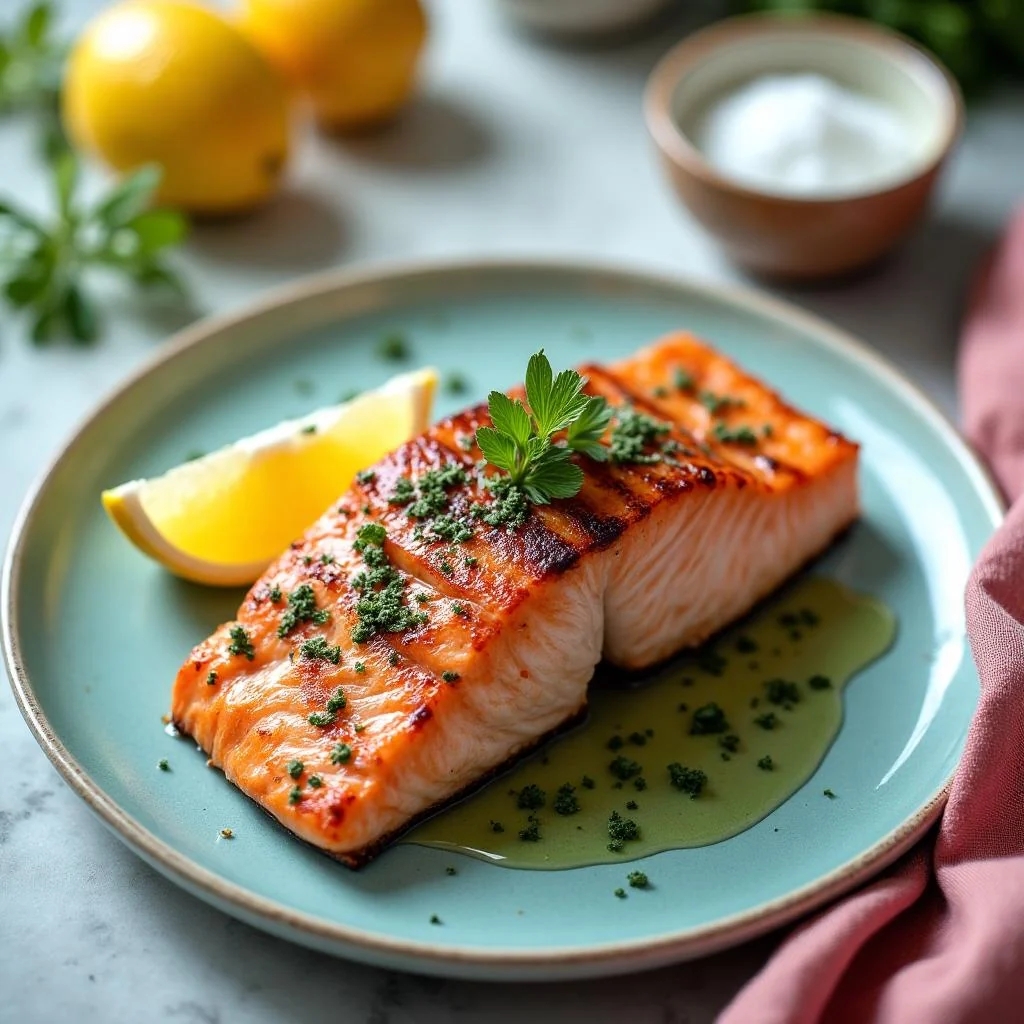
Ingredients
- 4 salmon steaks (6 oz each)
- 1/4 cup olive oil
- 2 tbsp freshly squeezed lemon juice
- 2 tbsp chopped fresh dill
- 2 tbsp chopped fresh parsley
- 2 cloves garlic, minced
- 1 tsp salt
- 1/2 tsp black pepper
- 1/4 cup white wine (optional)
- 1/4 cup chicken broth (optional)
- 2 tbsp unsalted butter
Instructions
- Preheat the grill to high heat, about 450°F (230°C).
- In a small bowl, whisk together the olive oil, lemon juice, dill, parsley, garlic, salt, and pepper to make the marinade.
- Place the salmon steaks in a large ziplock bag or a shallow dish, and pour the marinade over them. Seal the bag or cover the dish with plastic wrap, and refrigerate for at least 30 minutes or up to 2 hours.
- Remove the salmon from the marinade, and pat it dry with paper towels to remove excess moisture.
- Place the salmon steaks on the preheated grill, and cook for 4-5 minutes per side, or until they reach an internal temperature of 130°F (54°C) for medium-rare.
- While the salmon is cooking, melt the butter in a small saucepan over medium heat. Add the white wine and chicken broth (if using), and cook until the liquid has reduced by half, stirring occasionally.
- Once the salmon is cooked, remove it from the grill, and place it on a plate or serving platter. Spoon the sauce over the top of the salmon, and serve immediately.
- Garnish with fresh herbs and lemon wedges, if desired.
- Let the salmon rest for a few minutes before serving, to allow the juices to redistribute and the fish to retain its moisture.
- Serve the salmon with your choice of sides, such as roasted vegetables, quinoa, or a salad.
- Store any leftovers in an airtight container in the refrigerator for up to 3 days, and reheat gently before serving.