
Nova Scotia Fish Chowder
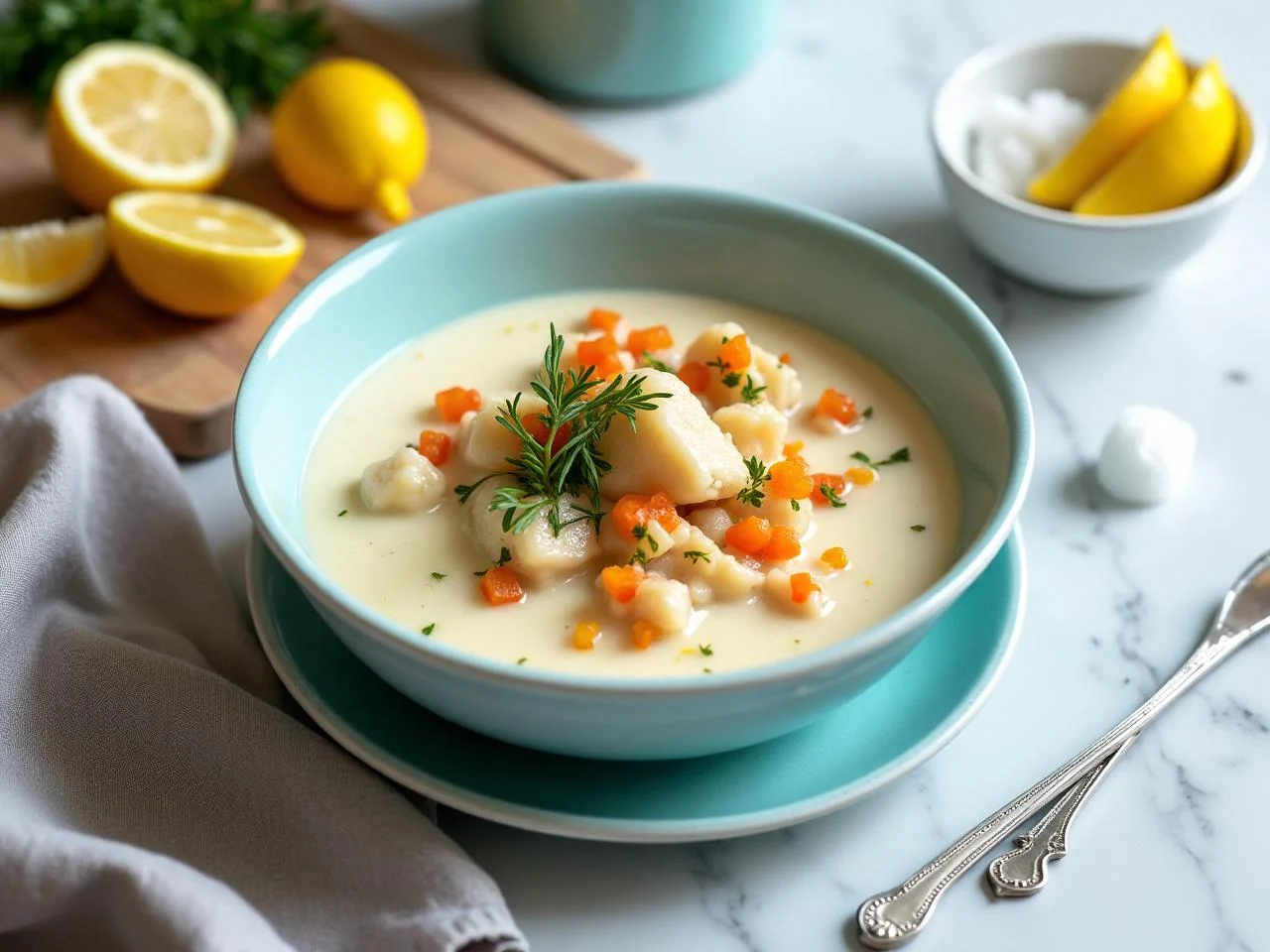
There's something special about a warm, creamy bowl of fish chowder on a chilly evening. Growing up in a coastal town, I was lucky to have access to the freshest seafood, and my family would often gather around the table to enjoy a hearty, comforting bowl of chowder. As I grew older, I began to experiment with different recipes, and I'm excited to share my favorite Nova Scotia Fish Chowder recipe with you.
This recipe is perfect for anyone who loves seafood but is nervous about cooking it. The beauty of fish chowder is that it's incredibly forgiving, and the flavors meld together beautifully, even if you're not a seasoned cook. I've included some helpful tips and tricks to ensure that your chowder turns out delicious every time.
One of the things that sets this recipe apart is the use of a variety of fresh seafood. I like to use a combination of cod, shrimp, and mussels, which adds depth and texture to the dish. You can also customize the recipe to your liking by using your favorite types of seafood.
This recipe is also relatively quick and easy to prepare, making it perfect for a weeknight dinner. The most time-consuming part is probably chopping the vegetables, but even that can be done ahead of time. Once you've got all your ingredients ready, the chowder comes together quickly, and you'll be enjoying a delicious, comforting meal in no time.
So, if you're looking for a delicious and easy-to-make fish chowder recipe, you're in the right place. I hope you enjoy this recipe as much as I do, and I'm excited to hear about your experiences with it.
Why You’ll Love This Recipe
- This recipe is easy to make and requires minimal preparation time.
- The dish is perfect for a weeknight dinner, as it can be prepared and cooked in under an hour.
- The recipe is customizable, so you can use your favorite types of seafood.
- The chowder is a great way to get your daily dose of omega-3 fatty acids and other essential nutrients.
- The dish is comforting and delicious, making it perfect for a chilly evening.
- You can make the recipe ahead of time and refrigerate or freeze it for later use.
Why This Recipe Works
The key to a great fish chowder is to cook the seafood until it's just done, then remove it from the heat to prevent overcooking. This ensures that the fish stays moist and tender, and the flavors stay bright and fresh.
Another important aspect of this recipe is the use of aromatics like onions, garlic, and celery. These ingredients add a depth of flavor to the chowder that's hard to replicate with other ingredients. By sautéing them in butter until they're soft and fragrant, you create a rich, savory base that the rest of the dish can build on.
The type of fish you use is also important. I like to use a combination of cod and shrimp, which provides a nice balance of flavor and texture. The cod adds a firm, flaky texture, while the shrimp adds a pop of sweetness and freshness.
Ingredients You’ll Need
To make this recipe, you'll need a variety of fresh seafood, including cod, shrimp, and mussels. You'll also need some aromatics like onions, garlic, and celery, as well as some potatoes and cream to add richness and depth to the dish.
When shopping for ingredients, be sure to choose the freshest seafood you can find. If you can't find fresh mussels, you can use frozen or canned instead. Also, be sure to choose high-quality potatoes that are high in starch, like Russet or Idaho potatoes.
- 1 lb (450g) cod fillets, cut into 1-inch piecesI like to use cod because it's a firm, flaky fish that holds up well to cooking. You can also use other types of white fish, like haddock or halibut, if you prefer.
- 1/2 lb (225g) large shrimp, peeled and deveinedShrimp add a pop of sweetness and freshness to the dish. Be sure to peel and dehydrate them before adding them to the chowder.
- 2 cups mussels, scrubbed and debeardedMussels add a nice texture and flavor to the dish. Be sure to scrub them clean and remove any broken or open shells before using them.
- 2 tablespoons unsalted butterButter adds richness and flavor to the dish. I like to use unsalted butter so I can control the amount of salt that goes into the chowder.
- 1 medium onion, choppedOnions add a depth of flavor to the dish. Be sure to chop them finely so they cook evenly.
- 3 cloves garlic, mincedGarlic adds a pungent flavor to the dish. Be sure to mince it finely so it distributes evenly throughout the chowder.
- 2 stalks celery, choppedCelery adds a fresh, crunchy texture to the dish. Be sure to chop it finely so it cooks evenly.
- 2 medium potatoes, peeled and dicedPotatoes add a nice thickness and heartiness to the dish. Be sure to choose high-quality potatoes that are high in starch, like Russet or Idaho potatoes.
- 1 cup fish stockFish stock adds a rich, savory flavor to the dish. You can use store-bought or homemade stock, whichever you prefer.
- 1/2 cup heavy creamHeavy cream adds a rich, creamy texture to the dish. Be sure to use high-quality cream that's fresh and has no additives.
- 1 teaspoon dried thymeThyme adds a nice, herbaceous flavor to the dish. Be sure to use dried thyme, as fresh thyme can be overpowering.
- 1/2 teaspoon saltSalt enhances the flavors in the dish. Be sure to use a high-quality salt that's fresh and has no additives.
- 1/4 teaspoon black pepperBlack pepper adds a nice, subtle flavor to the dish. Be sure to use freshly ground pepper for the best flavor.
- 2 tablespoons chopped fresh parsleyParsley adds a fresh, herbaceous flavor to the dish. Be sure to chop it finely so it distributes evenly throughout the chowder.
Equipment You’ll Need
How to Make Nova Scotia Fish Chowder
- 1Melt 1 tablespoon of butter in the pot over medium heat. Add the chopped onion and cook until it's softened and translucent, about 5 minutes.
- 2Add the minced garlic and cook for another minute, until fragrant.
- 3Add the chopped celery and cook for 2-3 minutes, until it's tender.
- 4Add the cod and cook until it's opaque and flakes easily with a fork, about 3-4 minutes.
- 5Add the shrimp and cook until they're pink and just cooked through, about 2-3 minutes.
- 6Add the mussels and cook until they're open and tender, about 3-4 minutes.
- 7Add the diced potatoes, fish stock, and heavy cream. Bring the mixture to a simmer and cook until the potatoes are tender, about 10-12 minutes.
- 8Stir in the dried thyme, salt, and pepper. Cook for another minute, until the flavors are combined.
- 9Use the slotted spoon to remove the seafood and potatoes from the pot. Check the internal temperature of the seafood with an instant-read thermometer to ensure it reaches 145 F (63 C).
- 10Return the seafood and potatoes to the pot and stir in the remaining 1 tablespoon of butter until it's melted and the chowder is creamy.
- 11Taste and adjust the seasoning as needed. Serve the chowder hot, garnished with chopped fresh parsley.
Expert Tips
- Be sure to use fresh, high-quality ingredients for the best flavor.
- Don't overcook the seafood, as it can become tough and rubbery.
- Use a variety of seafood for a more interesting and complex flavor.
- Add the potatoes towards the end of cooking time, so they don't become too mushy.
- Use a slotted spoon to remove the seafood and potatoes from the pot, so you don't lose any of the flavorful broth.
- Stir in the butter at the end of cooking time, so it melts and adds a rich, creamy texture to the chowder.
- Taste and adjust the seasoning as needed, so the flavors are balanced and delicious.
- Serve the chowder hot, garnished with chopped fresh parsley, for a fresh and herbaceous flavor.
Common Mistakes to Avoid
- Overcooking the seafood, which can make it tough and rubbery.
- Not using a variety of seafood, which can result in a bland and boring flavor.
- Adding the potatoes too early, which can make them too mushy and unappetizing.
- Not using a slotted spoon to remove the seafood and potatoes from the pot, which can result in a loss of flavorful broth.
- Not stirring in the butter at the end of cooking time, which can result in a chowder that's not rich and creamy.
- Not tasting and adjusting the seasoning as needed, which can result in a chowder that's not balanced and delicious.
Variations and Substitutions
- Use different types of seafood, such as haddock or halibut, for a unique flavor.
- Add some diced bell peppers or carrots for added flavor and nutrition.
- Use a combination of fish stock and heavy cream for a richer, more decadent flavor.
- Add some dried or fresh herbs, such as thyme or parsley, for added depth and complexity.
- Use a variety of potatoes, such as Russet or sweet potatoes, for a different texture and flavor.
- Add some cooked bacon or pancetta for a smoky, savory flavor.
- Use a combination of butter and oil for a richer, more complex flavor.
What to Serve With Nova Scotia Fish Chowder
This chowder is perfect for serving with some crusty bread or oyster crackers. You can also serve it with a side salad or some steamed vegetables for a more filling meal.
Some other ideas for serving this chowder include serving it in a bread bowl, or topping it with some crumbled bacon or chopped scallions. You can also serve it with a side of roasted potatoes or grilled cheese sandwiches for a more comforting meal.
Make-Ahead, Storage, Freezing and Reheating
This chowder can be stored in the refrigerator for up to 3 days, or frozen for up to 2 months. To reheat, simply thaw the chowder overnight in the refrigerator, then reheat it over low heat, stirring occasionally, until it's hot and steaming.
When reheating, be sure to stir in some additional heavy cream or fish stock, if needed, to achieve the desired consistency. You can also add some cooked seafood or potatoes to the chowder, if you like, for added flavor and nutrition.
It's also a good idea to label and date the chowder, so you can keep track of how long it's been stored. This will help ensure that the chowder remains fresh and safe to eat.
Frequently Asked Questions
What type of seafood should I use in this recipe?
You can use a variety of seafood, such as cod, shrimp, and mussels. Just be sure to choose fresh, high-quality ingredients for the best flavor.
Can I use frozen seafood in this recipe?
Yes, you can use frozen seafood in this recipe. Just be sure to thaw it first and pat it dry with paper towels before using it.
How do I prevent the seafood from becoming tough and rubbery?
To prevent the seafood from becoming tough and rubbery, be sure to not overcook it. Cook the seafood until it's just done, then remove it from the heat.
Can I make this recipe ahead of time?
Yes, you can make this recipe ahead of time. Simply prepare the chowder up to a day in advance, then refrigerate or freeze it until you're ready to serve it.
How do I reheat this chowder?
To reheat this chowder, simply thaw it overnight in the refrigerator, then reheat it over low heat, stirring occasionally, until it's hot and steaming.
What can I serve with this chowder?
This chowder is perfect for serving with some crusty bread or oyster crackers. You can also serve it with a side salad or some steamed vegetables for a more filling meal.
Can I customize this recipe to my taste?
Yes, you can customize this recipe to your taste. Just be sure to use fresh, high-quality ingredients and adjust the seasoning as needed to achieve the desired flavor.
Is this recipe suitable for a special diet?
This recipe is suitable for a gluten-free diet, but it may not be suitable for a low-fat or low-calorie diet due to the heavy cream and butter used in the recipe.
Ingredients
- 1 lb (450g) cod fillets, cut into 1-inch pieces
- 1/2 lb (225g) large shrimp, peeled and deveined
- 2 cups mussels, scrubbed and debearded
- 2 tablespoons unsalted butter
- 1 medium onion, chopped
- 3 cloves garlic, minced
- 2 stalks celery, chopped
- 2 medium potatoes, peeled and diced
- 1 cup fish stock
- 1/2 cup heavy cream
- 1 teaspoon dried thyme
- 1/2 teaspoon salt
- 1/4 teaspoon black pepper
- 2 tablespoons chopped fresh parsley
Instructions
- Melt 1 tablespoon of butter in the pot over medium heat. Add the chopped onion and cook until it's softened and translucent, about 5 minutes.
- Add the minced garlic and cook for another minute, until fragrant.
- Add the chopped celery and cook for 2-3 minutes, until it's tender.
- Add the cod and cook until it's opaque and flakes easily with a fork, about 3-4 minutes.
- Add the shrimp and cook until they're pink and just cooked through, about 2-3 minutes.
- Add the mussels and cook until they're open and tender, about 3-4 minutes.
- Add the diced potatoes, fish stock, and heavy cream. Bring the mixture to a simmer and cook until the potatoes are tender, about 10-12 minutes.
- Stir in the dried thyme, salt, and pepper. Cook for another minute, until the flavors are combined.
- Use the slotted spoon to remove the seafood and potatoes from the pot. Check the internal temperature of the seafood with an instant-read thermometer to ensure it reaches 145 F (63 C).
- Return the seafood and potatoes to the pot and stir in the remaining 1 tablespoon of butter until it's melted and the chowder is creamy.
- Taste and adjust the seasoning as needed. Serve the chowder hot, garnished with chopped fresh parsley.