
Baked Haddock
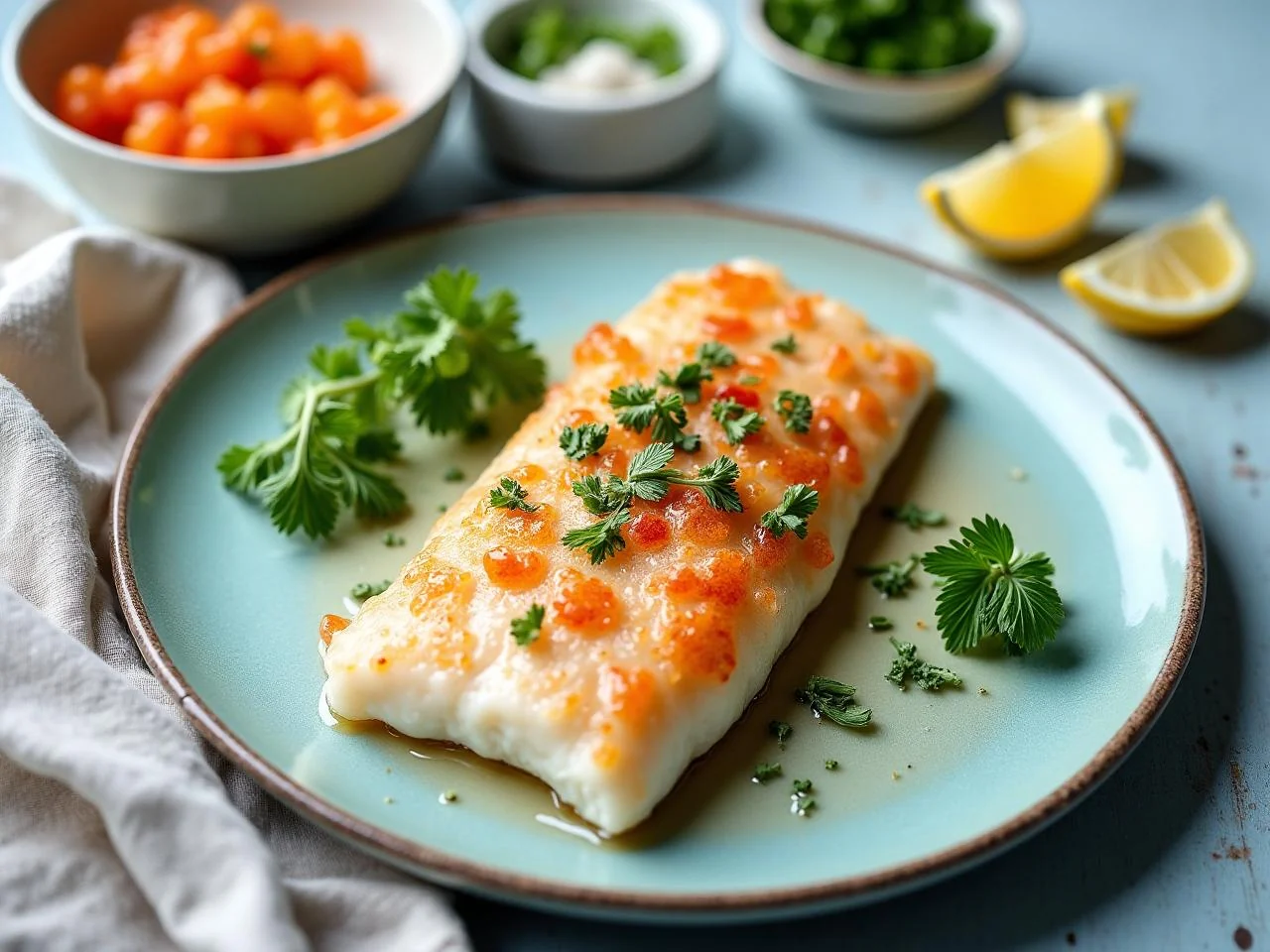
I still remember the first time I tried baked haddock at my grandmother's house. The flaky fish, the crispy exterior, and the burst of flavors all combined to create a dish that I would never forget. As a home cook, I've always been passionate about recreating this dish for my family and friends, and I'm excited to share my recipe with you.
Baked haddock is a great option for a weeknight dinner because it's quick, easy, and packed with nutrients. The best part is that it's also incredibly versatile - you can serve it with a variety of sides, from roasted vegetables to quinoa or brown rice. In this recipe, I'll show you how to cook baked haddock to perfection, with a crispy exterior and a tender, flaky interior.
One of the key things that sets this recipe apart is the use of a simple yet flavorful seasoning blend. By combining lemon juice, garlic, and herbs, we create a marinade that adds depth and complexity to the dish without overpowering the delicate flavor of the fish. And because we're baking the haddock, we can avoid the mess and fuss of frying, making this a great option for a healthy and easy meal.
If you're new to cooking fish, don't worry - this recipe is perfect for beginners. The steps are easy to follow, and the ingredients are readily available at most supermarkets. Plus, because we're using a moderate oven temperature, you don't have to worry about the fish cooking too quickly or burning on the outside.
In this recipe, I'll take you through the process of preparing and cooking baked haddock, from selecting the freshest ingredients to serving the finished dish. Whether you're a seasoned cook or just starting out, I'm confident that you'll love this recipe and make it again and again.
Why You’ll Love This Recipe
- This recipe is easy to make and requires minimal preparation time
- The dish is packed with nutrients and is a great option for a healthy meal
- The flavors are simple yet delicious, making it a great option for a weeknight dinner
- The recipe is versatile and can be served with a variety of sides
- The dish is perfect for beginners and experienced cooks alike
- The recipe can be made ahead of time and refrigerated or frozen for later use
- The dish is a great option for a special occasion or holiday meal
Why This Recipe Works
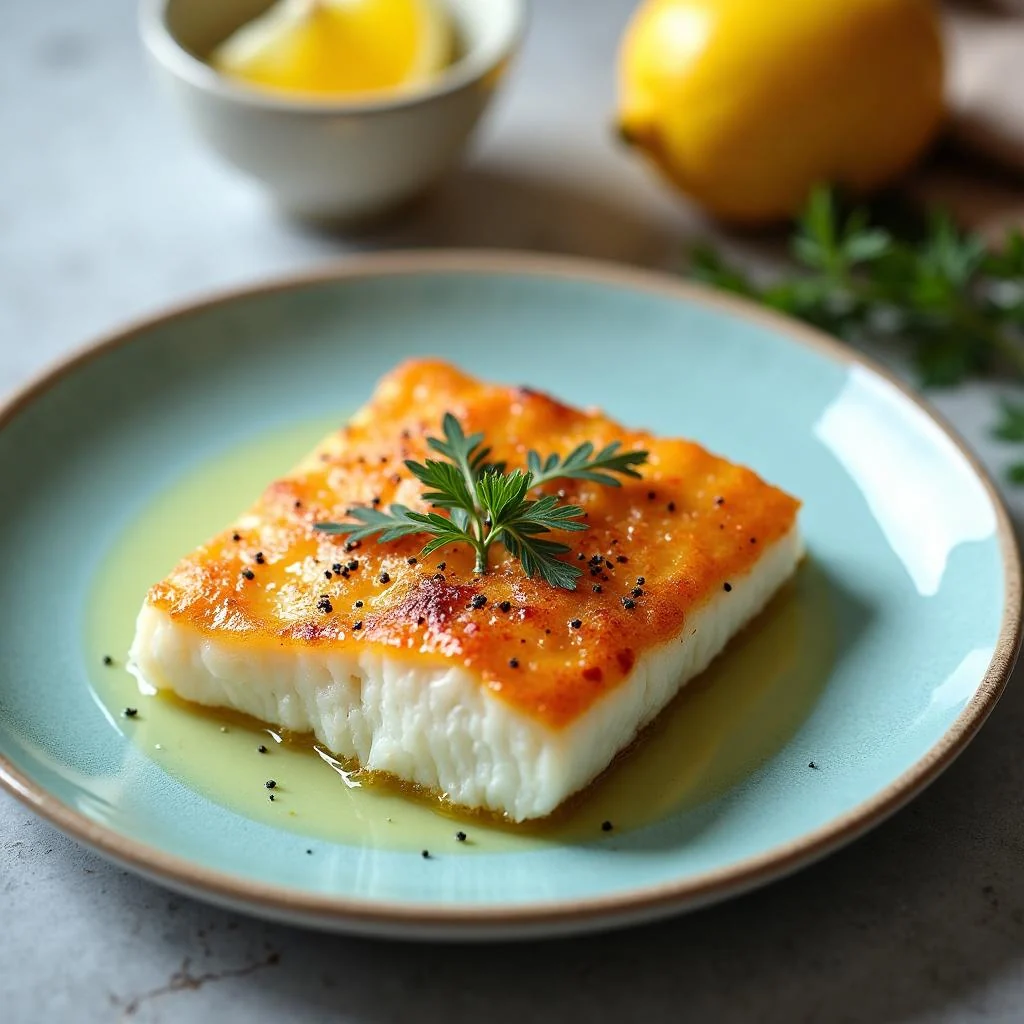
The key to a great baked haddock is to cook it at the right temperature and for the right amount of time. By using a moderate oven temperature of 400°F (200°C), we can ensure that the fish cooks evenly and doesn't dry out. Additionally, by using a simple seasoning blend and a light dusting of breadcrumbs, we can add texture and flavor to the dish without overpowering the delicate flavor of the fish.
Another important factor is the type of fish we're using. Haddock is a firm, flaky fish that holds up well to baking, and its mild flavor makes it a great canvas for a variety of seasonings and sauces. By selecting the freshest haddock available and handling it gently, we can ensure that the fish stays moist and tender throughout the cooking process.
Finally, the way we cook the fish is also important. By baking the haddock in a single layer on a baking sheet, we can ensure that it cooks evenly and doesn't steam instead of sear. This helps to create a crispy exterior and a tender, flaky interior that's sure to impress.
Ingredients You’ll Need
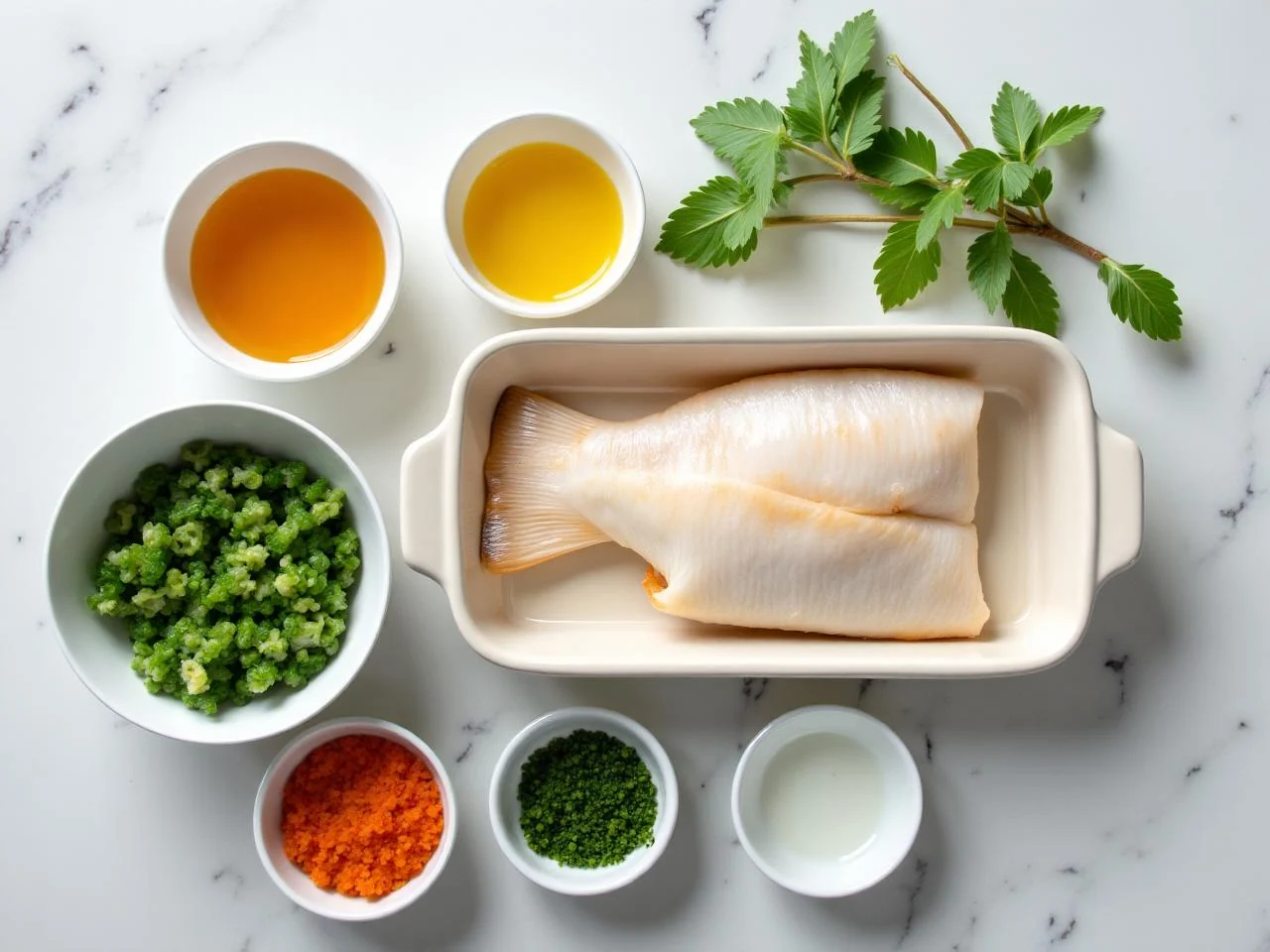
To make this recipe, you'll need a few simple ingredients, including fresh haddock, lemon juice, garlic, and herbs. You'll also need some basic pantry staples, such as olive oil, salt, and pepper. Be sure to select the freshest ingredients available and handle them gently to ensure that the dish turns out its best.
When shopping for haddock, look for firm, flaky fish with a mild flavor and a slightly sweet aroma. You can also substitute other types of fish, such as cod or tilapia, if you prefer. Just be sure to adjust the cooking time and temperature accordingly.
- 1 1/2 pounds (680g) haddock fillets, skin removedLook for firm, flaky fish with a mild flavor and a slightly sweet aroma. You can also substitute other types of fish, such as cod or tilapia, if you prefer.
- 2 tablespoons (30ml) olive oilUse a high-quality olive oil with a mild flavor to add depth and richness to the dish.
- 2 cloves garlic, mincedUse fresh garlic for the best flavor. You can also use 1 teaspoon of garlic powder as a substitute if you prefer.
- 1 tablespoon (15g) freshly squeezed lemon juiceUse fresh lemon juice for the best flavor. You can also use bottled lemon juice as a substitute if you prefer.
- 1 teaspoon (5g) dried parsleyUse fresh parsley for the best flavor. You can also use 1/2 teaspoon of dried parsley as a substitute if you prefer.
- 1/2 teaspoon (2g) saltUse a high-quality salt with a mild flavor to add depth and richness to the dish.
- 1/4 teaspoon (1g) black pepperUse freshly ground black pepper for the best flavor. You can also use pre-ground black pepper as a substitute if you prefer.
- 1/4 cup (30g) panko breadcrumbsUse panko breadcrumbs for a light and crispy texture. You can also use regular breadcrumbs as a substitute if you prefer.
- 2 tablespoons (30g) grated Parmesan cheeseUse a high-quality Parmesan cheese with a nutty flavor to add depth and richness to the dish.
- 2 tablespoons (30g) chopped fresh parsleyUse fresh parsley for the best flavor. You can also use 1 tablespoon of dried parsley as a substitute if you prefer.
- Salt and pepper to tasteUse a high-quality salt and pepper to add depth and richness to the dish. Season to taste and adjust as needed.
Equipment You’ll Need
How to Make Baked Haddock
- 1Preheat the oven to 400°F (200°C). Line a large baking sheet with aluminum foil or parchment paper and place a wire rack on top.
- 2Rinse the haddock fillets under cold water and pat them dry with paper towels. Season with salt and pepper to taste.
- 3In a small bowl, whisk together the olive oil, garlic, lemon juice, parsley, salt, and pepper.
- 4Place the haddock fillets on the prepared baking sheet and brush the tops with the garlic and lemon mixture.
- 5Sprinkle the panko breadcrumbs and Parmesan cheese evenly over the top of the haddock fillets.
- 6Bake the haddock for 12-15 minutes, or until it reaches an internal temperature of 145°F (63°C).
- 7Remove the haddock from the oven and sprinkle with chopped parsley.
- 8Serve the haddock hot, garnished with additional parsley and lemon wedges if desired.
- 9Let the haddock rest for 2-3 minutes before serving to allow the juices to redistribute.
- 10Use a spatula to carefully transfer the haddock to a plate and serve immediately.
- 11Garnish with additional parsley and lemon wedges, if desired.
- 12Serve with your choice of sides, such as roasted vegetables or quinoa.
- 13Store any leftovers in an airtight container in the refrigerator for up to 3 days or freeze for up to 2 months.
Expert Tips
- Make sure to pat the haddock dry with paper towels before cooking to remove excess moisture.
- Use a thermometer to ensure that the haddock reaches a safe internal temperature.
- Don't overcrowd the baking sheet, as this can cause the haddock to steam instead of sear.
- Let the haddock rest for a few minutes before serving to allow the juices to redistribute.
- Use a wire rack on the baking sheet to allow air to circulate under the haddock and promote even cooking.
- Don't overcook the haddock, as this can cause it to become dry and tough.
- Use fresh and high-quality ingredients for the best flavor and texture.
- Experiment with different seasonings and herbs to find your favorite flavor combinations.
Common Mistakes to Avoid
- Overcooking the haddock, which can cause it to become dry and tough.
- Not patting the haddock dry with paper towels before cooking, which can cause excess moisture to steam instead of sear.
- Not using a thermometer to ensure that the haddock reaches a safe internal temperature.
- Overcrowding the baking sheet, which can cause the haddock to steam instead of sear.
- Not letting the haddock rest for a few minutes before serving, which can cause the juices to run out.
- Using low-quality ingredients, which can affect the flavor and texture of the dish.
Variations and Substitutions
- Substitute other types of fish, such as cod or tilapia, for the haddock.
- Add some diced onions or bell peppers to the garlic and lemon mixture for extra flavor.
- Use different types of cheese, such as cheddar or mozzarella, instead of Parmesan.
- Add some chopped fresh herbs, such as parsley or dill, to the breadcrumbs for extra flavor.
- Use panko breadcrumbs with different seasonings, such as garlic or Italian seasoning, for extra flavor.
- Serve the haddock with a side of tartar sauce or lemon wedges for extra flavor.
- Add some sliced lemons or oranges to the baking sheet for extra flavor and moisture.
What to Serve With Baked Haddock
Serve the baked haddock with your choice of sides, such as roasted vegetables, quinoa, or brown rice. You can also serve it with a side of tartar sauce or lemon wedges for extra flavor.
Some other ideas for sides include roasted asparagus, grilled bell peppers, or sautéed spinach. You can also serve the haddock with a side salad or a bowl of soup for a light and refreshing meal.
Make-Ahead, Storage, Freezing and Reheating
Store any leftovers in an airtight container in the refrigerator for up to 3 days. You can also freeze the haddock for up to 2 months and thaw it when you're ready to eat it.
To reheat the haddock, simply place it in the oven at 350°F (180°C) for 5-7 minutes, or until it reaches an internal temperature of 145°F (63°C). You can also reheat it in the microwave for 30-60 seconds, or until it's heated through.
When reheating the haddock, make sure to check the internal temperature to ensure that it reaches a safe minimum internal temperature of 145°F (63°C). You can also use a food thermometer to check the internal temperature of the haddock.
It's also important to note that the haddock will continue to cook a bit after it's removed from the oven, so make sure to check the internal temperature after a few minutes of resting time.
Frequently Asked Questions
What is the best type of fish to use for this recipe?
The best type of fish to use for this recipe is haddock, but you can also use other types of fish such as cod or tilapia. Just be sure to adjust the cooking time and temperature accordingly.
How do I know if the haddock is cooked through?
You can check the internal temperature of the haddock by inserting a food thermometer into the thickest part of the fish. It should reach an internal temperature of at least 145°F (63°C).
Can I use frozen haddock for this recipe?
Yes, you can use frozen haddock for this recipe. Just be sure to thaw it first and pat it dry with paper towels before cooking.
How do I store leftovers?
You can store leftovers in an airtight container in the refrigerator for up to 3 days or freeze for up to 2 months.
Can I make this recipe ahead of time?
Yes, you can make this recipe ahead of time. Simply prepare the haddock and store it in the refrigerator until you're ready to cook it.
What are some variations of this recipe?
Some variations of this recipe include using different types of fish, adding different seasonings or herbs, or serving it with different sides.
Is this recipe healthy?
Yes, this recipe is healthy. The haddock is a good source of protein and omega-3 fatty acids, and the lemon and garlic add flavor without adding extra calories.
Can I use this recipe for a special occasion?
Yes, this recipe is perfect for a special occasion. The haddock is a impressive dish that's sure to impress your guests, and the flavors are sophisticated and delicious.
Ingredients
- 1 1/2 pounds (680g) haddock fillets, skin removed
- 2 tablespoons (30ml) olive oil
- 2 cloves garlic, minced
- 1 tablespoon (15g) freshly squeezed lemon juice
- 1 teaspoon (5g) dried parsley
- 1/2 teaspoon (2g) salt
- 1/4 teaspoon (1g) black pepper
- 1/4 cup (30g) panko breadcrumbs
- 2 tablespoons (30g) grated Parmesan cheese
- 2 tablespoons (30g) chopped fresh parsley
- Salt and pepper to taste
Instructions
- Preheat the oven to 400°F (200°C). Line a large baking sheet with aluminum foil or parchment paper and place a wire rack on top.
- Rinse the haddock fillets under cold water and pat them dry with paper towels. Season with salt and pepper to taste.
- In a small bowl, whisk together the olive oil, garlic, lemon juice, parsley, salt, and pepper.
- Place the haddock fillets on the prepared baking sheet and brush the tops with the garlic and lemon mixture.
- Sprinkle the panko breadcrumbs and Parmesan cheese evenly over the top of the haddock fillets.
- Bake the haddock for 12-15 minutes, or until it reaches an internal temperature of 145°F (63°C).
- Remove the haddock from the oven and sprinkle with chopped parsley.
- Serve the haddock hot, garnished with additional parsley and lemon wedges if desired.
- Let the haddock rest for 2-3 minutes before serving to allow the juices to redistribute.
- Use a spatula to carefully transfer the haddock to a plate and serve immediately.
- Garnish with additional parsley and lemon wedges, if desired.
- Serve with your choice of sides, such as roasted vegetables or quinoa.
- Store any leftovers in an airtight container in the refrigerator for up to 3 days or freeze for up to 2 months.