
Grilled Halibut
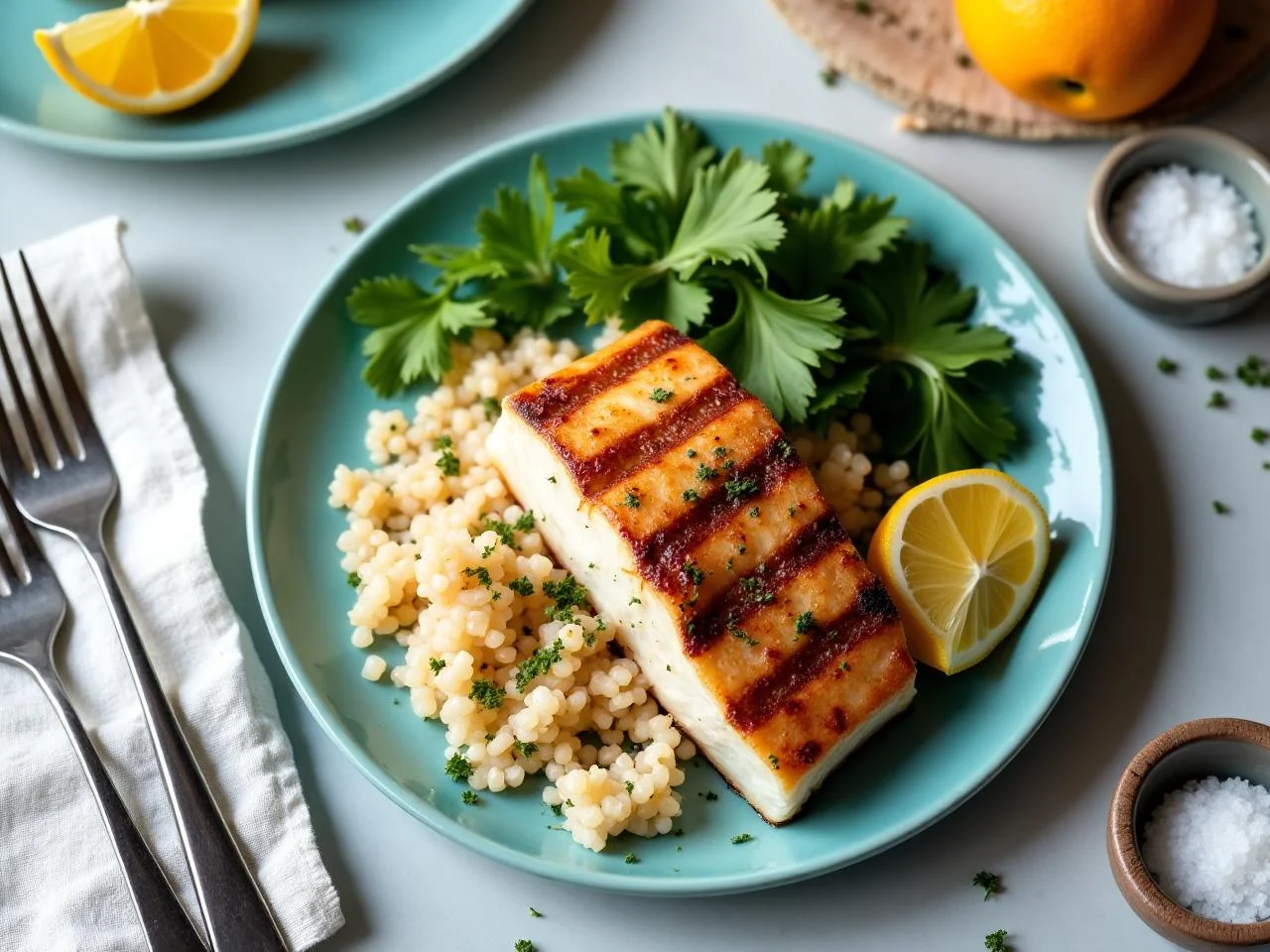
I still remember the first time I grilled halibut. I was nervous, having heard that fish could be tricky to cook, but the result was incredible. The outside was crispy and golden, while the inside remained moist and flaky. It was love at first bite. Since then, I've perfected my grilled halibut recipe, and I'm excited to share it with you. Whether you're a seasoned cook or a beginner, this recipe is sure to become a staple in your kitchen.
One of the things that sets this recipe apart is its simplicity. With just a few ingredients and some basic cooking techniques, you can create a dish that's sure to impress. The key is to focus on the quality of the ingredients and to not overcomplicate the cooking process. By keeping things simple, you allow the natural flavors of the halibut to shine through.
Grilled halibut is also an incredibly versatile dish. You can serve it with a variety of sides, from roasted vegetables to quinoa or couscous. It's also a great option for a quick and easy dinner, as it can be prepared and cooked in under 30 minutes. Whether you're cooking for one or for a crowd, this recipe is sure to be a hit.
In this recipe, we'll cover everything you need to know to grill perfect halibut. From the basics of preparing the fish to the importance of not overcooking, we'll take a step-by-step approach to ensure that you're confident and comfortable in the kitchen. So, let's get started and explore the world of grilled halibut!
One of the best things about grilled halibut is its ability to be customized to your taste. You can add your favorite herbs and spices, or try out different marinades to give the fish a unique flavor. The possibilities are endless, and I encourage you to experiment and find the combination that works best for you.
Why You’ll Love This Recipe
- Grilled halibut is an easy and quick dinner option that can be prepared in under 30 minutes.
- The recipe is versatile and can be customized to your taste with different herbs, spices, and marinades.
- Halibut is a firm-fleshed fish that holds up well to grilling and is less likely to break apart.
- The dish is perfect for a crowd, as it can be easily scaled up or down depending on the number of guests.
- Grilled halibut is a healthy and nutritious option, as it's high in protein and low in calories.
- The recipe is foolproof and can be made by anyone, regardless of their cooking experience.
- The dish is perfect for a special occasion or a weeknight dinner, as it's both elegant and easy to make.
Why This Recipe Works
The key to cooking perfect grilled halibut is to understand the importance of heat control and moisture. By cooking the fish over medium-high heat, you're able to achieve a crispy exterior while keeping the inside moist and flaky. This is because the high heat helps to sear the outside of the fish, creating a barrier that prevents the moisture from escaping.
Another important factor is the use of a hot skillet or grill. By preheating the skillet or grill to the right temperature, you're able to achieve a nice sear on the fish, which helps to lock in the moisture. This is especially important when cooking delicate fish like halibut, as it can easily become dry and overcooked.
In addition to heat control and moisture, the type of fish you use is also crucial. Halibut is a firm-fleshed fish that holds up well to grilling, but it's still important to handle it gently and cook it until it's just done. This ensures that the fish remains tender and flaky, rather than becoming tough and dry.
Finally, the use of a flavorful marinade or seasoning can help to elevate the dish and add extra flavor to the fish. By using a combination of herbs, spices, and citrus, you can create a marinade that complements the natural flavor of the halibut and adds a burst of freshness to the dish.
Ingredients You’ll Need
When it comes to ingredients, the key to a great grilled halibut recipe is to keep things simple and focus on the quality of the ingredients. You'll need a few basic pantry staples, as well as some fresh herbs and citrus. The most important ingredient, of course, is the halibut itself, which should be fresh and of high quality.
When shopping for halibut, look for firm, flaky flesh and a mild flavor. You can also ask your fishmonger for recommendations, as they often have a good understanding of the different types of fish and their flavor profiles. In addition to the halibut, you'll need some olive oil, salt, pepper, and your favorite herbs and spices.
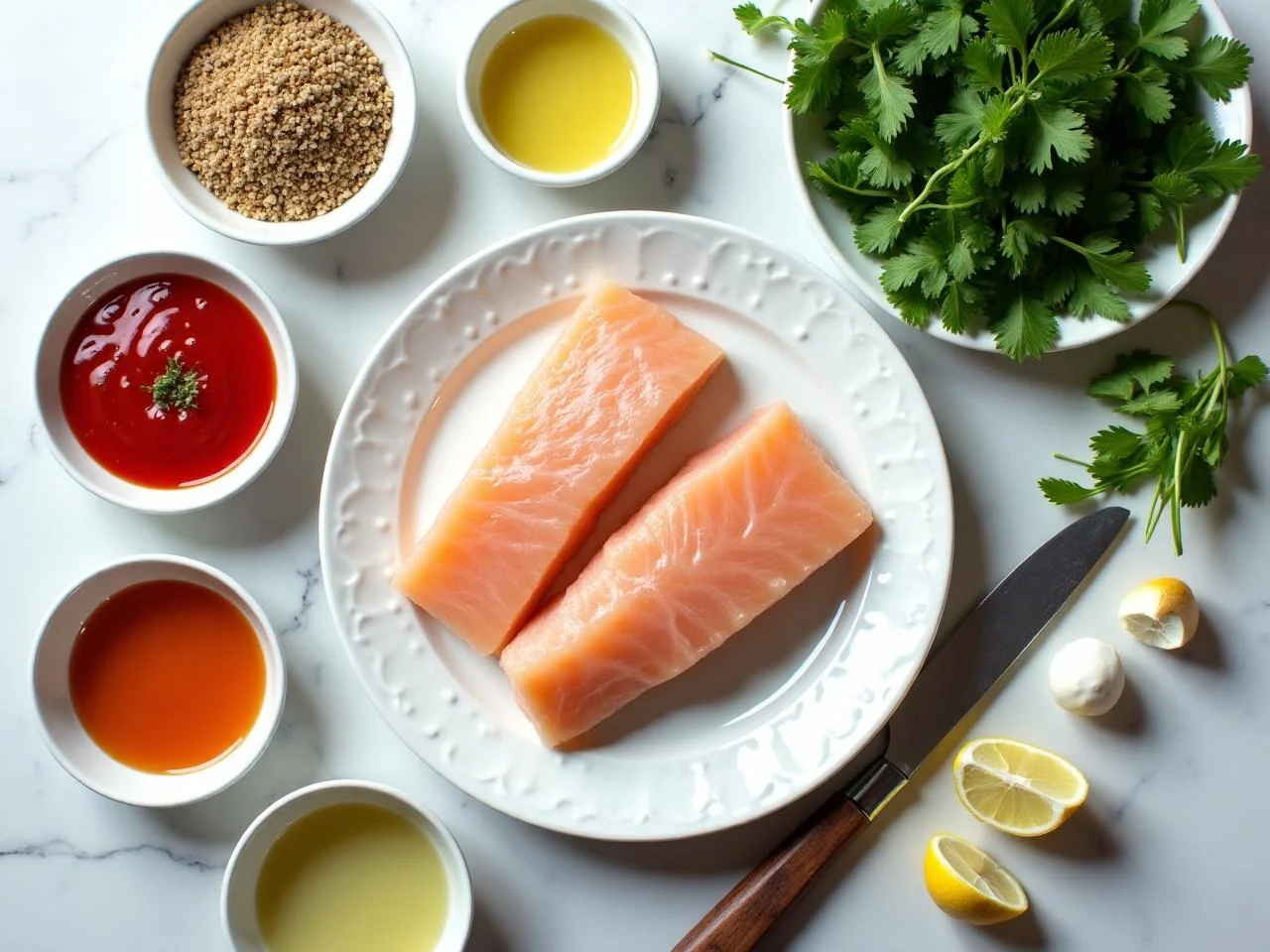
- 4 halibut fillets, 6 ounces eachLook for fresh, sustainable halibut with firm, flaky flesh and a mild flavor. You can also ask your fishmonger for recommendations.
- 2 tablespoons olive oilUse a high-quality olive oil with a mild flavor to complement the halibut. You can also use other oils, such as avocado or grapeseed, if you prefer.
- 1 teaspoon saltUse a flaky, kosher salt to add depth and texture to the dish. You can also use other types of salt, such as sea salt or Himalayan pink salt, if you prefer.
- 1/2 teaspoon black pepperUse freshly ground black pepper to add a burst of flavor to the dish. You can also use other types of pepper, such as white or green peppercorns, if you prefer.
- 2 tablespoons freshly squeezed lemon juiceUse a high-quality, fresh lemon to add a burst of citrus flavor to the dish. You can also use other types of citrus, such as lime or orange, if you prefer.
- 2 cloves garlic, mincedUse a high-quality, fresh garlic to add depth and richness to the dish. You can also use other types of garlic, such as roasted or fermented, if you prefer.
- 1 tablespoon chopped fresh parsleyUse a high-quality, fresh parsley to add a burst of freshness to the dish. You can also use other types of herbs, such as basil or dill, if you prefer.
- 1 tablespoon chopped fresh dillUse a high-quality, fresh dill to add a burst of freshness to the dish. You can also use other types of herbs, such as parsley or basil, if you prefer.
- 1/4 teaspoon paprikaUse a high-quality, smoked paprika to add a smoky depth to the dish. You can also use other types of paprika, such as sweet or hot, if you prefer.
- 1/4 teaspoon cayenne pepperUse a high-quality, fresh cayenne pepper to add a burst of heat to the dish. You can also use other types of pepper, such as black or white, if you prefer.
Equipment You’ll Need
How to Make Grilled Halibut
- 1Preheat your grill or skillet to medium-high heat, about 400°F (200°C). Make sure the grill or skillet is clean and brush it with a small amount of oil to prevent sticking.
- 2Rinse the halibut fillets under cold water and pat them dry with paper towels. This helps to remove any excess moisture and ensures that the fish cooks evenly.
- 3In a small bowl, whisk together the olive oil, lemon juice, garlic, parsley, dill, paprika, salt, and pepper. This marinade will help to add flavor and moisture to the fish.
- 4Place the halibut fillets in a shallow dish and brush the marinade evenly over both sides of the fish. Make sure to coat the fish thoroughly, but don't overdo it - you want to be able to see the fish through the marinade.
- 5Let the fish marinate for at least 10-15 minutes, or up to 30 minutes in the refrigerator. This will help the flavors to penetrate the fish and make it more tender.
- 6Remove the fish from the marinade and place it on the preheated grill or skillet. Cook for 4-5 minutes per side, or until the fish is cooked through and flakes easily with a fork.
- 7Use an instant-read thermometer to check the internal temperature of the fish. It should be at least 145°F (63°C) in the thickest part of the fillet.
- 8Once the fish is cooked, remove it from the grill or skillet and let it rest for a few minutes. This will help the juices to redistribute and the fish to stay moist.
- 9Serve the grilled halibut hot, garnished with additional parsley and lemon wedges if desired. You can also serve it with your favorite sides, such as roasted vegetables or quinoa.
- 10To add a burst of flavor to the dish, you can serve the grilled halibut with a tangy and creamy sauce, such as a lemon-dill sauce or a garlic-butter sauce.
- 11Experiment with different marinades and seasonings to find the combination that works best for you. You can also try adding other ingredients, such as capers or olives, to the marinade for added flavor.
Expert Tips
- Make sure to pat the fish dry with paper towels before cooking to remove excess moisture.
- Don't overcook the fish - it should be cooked through but still moist and flaky.
- Use a thermometer to check the internal temperature of the fish and ensure that it's cooked to a safe temperature.
- Let the fish rest for a few minutes before serving to allow the juices to redistribute.
- Experiment with different marinades and seasonings to find the combination that works best for you.
- Don't be afraid to add your own twist to the recipe - try adding other ingredients, such as capers or olives, to the marinade for added flavor.
- Use a high-quality, fresh fish to ensure that the dish is flavorful and moist.
- Don't overcrowd the grill or skillet - cook the fish in batches if necessary to ensure that it cooks evenly.
Common Mistakes to Avoid
- Overcooking the fish, which can make it dry and tough.
- Not patting the fish dry with paper towels before cooking, which can prevent it from cooking evenly.
- Not using a thermometer to check the internal temperature of the fish, which can lead to foodborne illness.
- Not letting the fish rest before serving, which can cause it to lose its juices and become dry.
- Using low-quality or old fish, which can affect the flavor and texture of the dish.
- Not experimenting with different marinades and seasonings, which can lead to a boring and uninspired dish.
Variations and Substitutions
- Try using different types of fish, such as salmon or tilapia, for a different flavor and texture.
- Add other ingredients to the marinade, such as capers or olives, for added flavor.
- Use different types of citrus, such as lime or orange, for a different flavor profile.
- Add some heat to the dish by using hot sauce or red pepper flakes in the marinade.
- Try using different types of herbs, such as basil or thyme, for a different flavor profile.
- Use a different type of oil, such as avocado or grapeseed, for a different flavor and texture.
- Add some smokiness to the dish by using smoked paprika or chipotle peppers in the marinade.
What to Serve With Grilled Halibut
Grilled halibut is a versatile dish that can be served with a variety of sides. Some popular options include roasted vegetables, quinoa or couscous, and a simple green salad. You can also serve it with a tangy and creamy sauce, such as a lemon-dill sauce or a garlic-butter sauce.
One of the best things about grilled halibut is its ability to be paired with a wide range of flavors and ingredients. You can try pairing it with some grilled or roasted vegetables, such as asparagus or bell peppers, for a healthy and flavorful meal. You can also try pairing it with some quinoa or couscous, which can help to soak up the juices and flavors of the fish.
Make-Ahead, Storage, Freezing and Reheating
Grilled halibut can be stored in the refrigerator for up to 3 days or frozen for up to 2 months. To store it in the refrigerator, simply place the cooked fish in an airtight container and refrigerate it at a temperature of 40°F (4°C) or below.
To freeze the fish, place it in an airtight container or freezer bag and label it with the date and contents. Frozen fish can be thawed overnight in the refrigerator or thawed quickly by submerging it in cold water.
When reheating the fish, make sure to heat it to an internal temperature of at least 145°F (63°C) to ensure food safety. You can reheat it in the oven, on the stovetop, or in the microwave, depending on your preference.
One of the best ways to reheat grilled halibut is to use a low-temperature oven, such as 300°F (150°C), and cook it for about 10-15 minutes, or until it's heated through. You can also try reheating it on the stovetop, using a low heat and a small amount of oil to prevent sticking.
Frequently Asked Questions
What is the best type of fish to use for grilled halibut?
The best type of fish to use for grilled halibut is a firm-fleshed fish, such as halibut, cod, or snapper. These types of fish hold up well to grilling and have a mild flavor that pairs well with a variety of seasonings and marinades.
How do I know when the fish is cooked through?
The best way to know when the fish is cooked through is to use an instant-read thermometer to check the internal temperature. The internal temperature should be at least 145°F (63°C) in the thickest part of the fillet. You can also check for doneness by inserting a fork or knife into the fish - if it flakes easily and is opaque, it's cooked through.
Can I use frozen fish for grilled halibut?
Yes, you can use frozen fish for grilled halibut, but make sure to thaw it first and pat it dry with paper towels before cooking. Frozen fish can be just as flavorful and moist as fresh fish, but it may have a slightly different texture.
How do I prevent the fish from sticking to the grill or skillet?
To prevent the fish from sticking to the grill or skillet, make sure to brush the grill or skillet with a small amount of oil before cooking. You can also try using a non-stick skillet or grill mat to prevent sticking.
Can I make grilled halibut ahead of time?
Yes, you can make grilled halibut ahead of time, but it's best to cook it just before serving. If you need to make it ahead of time, you can cook the fish and then refrigerate or freeze it until you're ready to serve. Simply reheat it in the oven or on the stovetop before serving.
What are some good sides to serve with grilled halibut?
Some good sides to serve with grilled halibut include roasted vegetables, quinoa or couscous, and a simple green salad. You can also try serving it with a tangy and creamy sauce, such as a lemon-dill sauce or a garlic-butter sauce.
Can I use different types of citrus for the marinade?
Yes, you can use different types of citrus for the marinade, such as lime or orange. Simply substitute the lemon juice with the juice of your preferred citrus fruit and adjust the amount to taste.
How do I store grilled halibut in the refrigerator or freezer?
To store grilled halibut in the refrigerator, place it in an airtight container and refrigerate it at a temperature of 40°F (4°C) or below. To store it in the freezer, place it in an airtight container or freezer bag and label it with the date and contents.
Can I reheat grilled halibut in the microwave?
Yes, you can reheat grilled halibut in the microwave, but make sure to heat it to an internal temperature of at least 145°F (63°C) to ensure food safety. Simply place the fish in a microwave-safe dish and heat it on high for about 30-45 seconds, or until it's heated through.
Ingredients
- 4 halibut fillets, 6 ounces each
- 2 tablespoons olive oil
- 1 teaspoon salt
- 1/2 teaspoon black pepper
- 2 tablespoons freshly squeezed lemon juice
- 2 cloves garlic, minced
- 1 tablespoon chopped fresh parsley
- 1 tablespoon chopped fresh dill
- 1/4 teaspoon paprika
- 1/4 teaspoon cayenne pepper
Instructions
- Preheat your grill or skillet to medium-high heat, about 400°F (200°C). Make sure the grill or skillet is clean and brush it with a small amount of oil to prevent sticking.
- Rinse the halibut fillets under cold water and pat them dry with paper towels. This helps to remove any excess moisture and ensures that the fish cooks evenly.
- In a small bowl, whisk together the olive oil, lemon juice, garlic, parsley, dill, paprika, salt, and pepper. This marinade will help to add flavor and moisture to the fish.
- Place the halibut fillets in a shallow dish and brush the marinade evenly over both sides of the fish. Make sure to coat the fish thoroughly, but don't overdo it - you want to be able to see the fish through the marinade.
- Let the fish marinate for at least 10-15 minutes, or up to 30 minutes in the refrigerator. This will help the flavors to penetrate the fish and make it more tender.
- Remove the fish from the marinade and place it on the preheated grill or skillet. Cook for 4-5 minutes per side, or until the fish is cooked through and flakes easily with a fork.
- Use an instant-read thermometer to check the internal temperature of the fish. It should be at least 145°F (63°C) in the thickest part of the fillet.
- Once the fish is cooked, remove it from the grill or skillet and let it rest for a few minutes. This will help the juices to redistribute and the fish to stay moist.
- Serve the grilled halibut hot, garnished with additional parsley and lemon wedges if desired. You can also serve it with your favorite sides, such as roasted vegetables or quinoa.
- To add a burst of flavor to the dish, you can serve the grilled halibut with a tangy and creamy sauce, such as a lemon-dill sauce or a garlic-butter sauce.
- Experiment with different marinades and seasonings to find the combination that works best for you. You can also try adding other ingredients, such as capers or olives, to the marinade for added flavor.