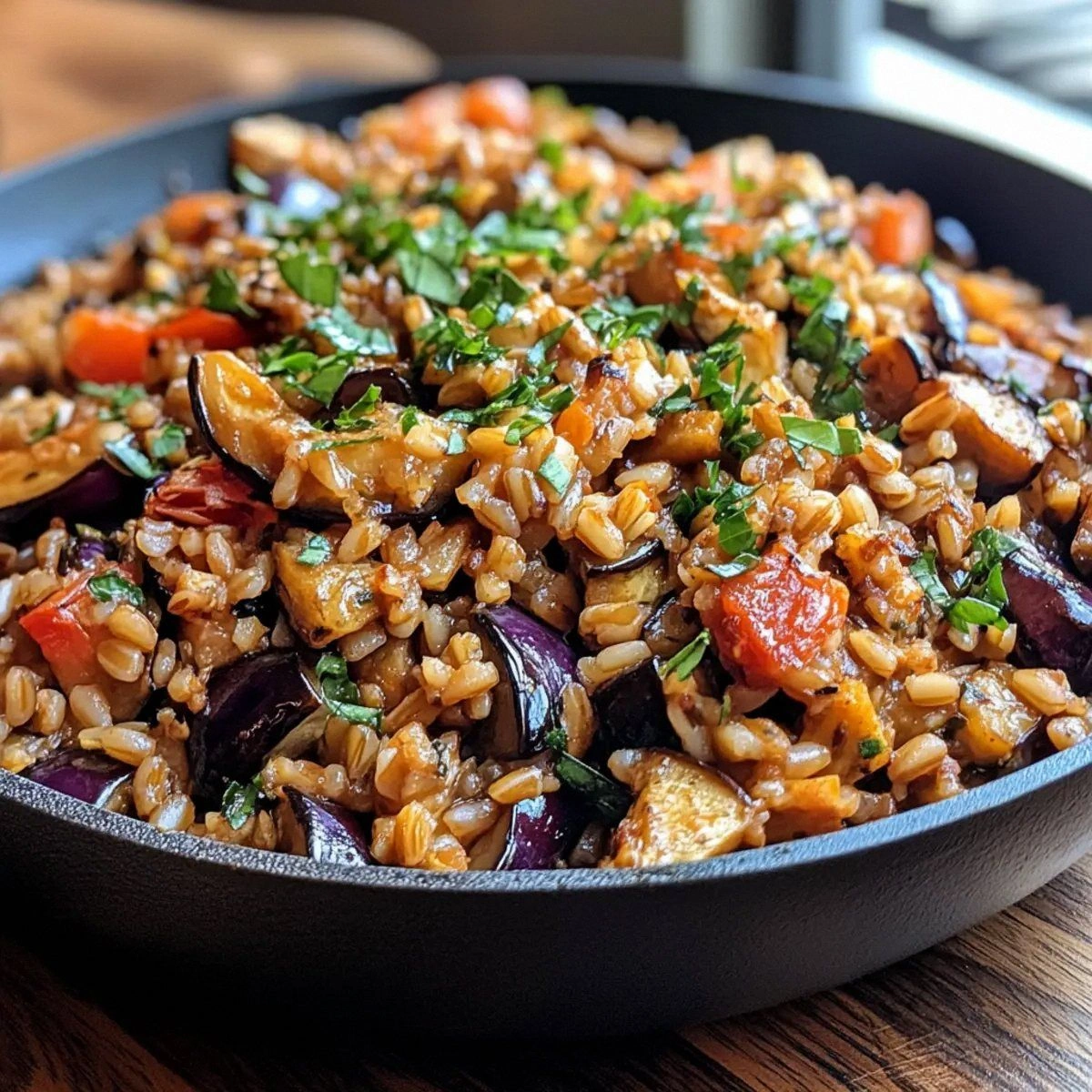
It was a rainy Thursday, the kind of evening where your kitchen feels like a refuge and the stove is the only thing that can make the world feel a little less gray. I was scrambling to salvage a pot of leftover lentils that had been sitting in the fridge for a week, and the pantry was a battlefield of forgotten spices and wilted vegetables. Suddenly, a thought struck me—why not turn those odds into a hearty, comforting stew that could be ready in under an hour? I laughed at the absurdity, but the idea stuck, and I set out to create a recipe that would make even the most stubborn leftovers sing.
Picture this: a pot bubbling with the scent of caramelized onions, garlic, and earthy mushrooms, the steam curling up like wisps of cloud. The sound of the broth simmering is a gentle lullaby that promises warmth. When you taste the first spoonful, the flavors hit like a velvet curtain—rich, layered, and utterly satisfying. The texture is a delightful dance between tender root vegetables and silky, slightly thickened sauce, each bite a comforting hug. And the best part? Every ingredient is simple enough to find in any grocery store, yet the combination feels like a gourmet secret shared between friends.
What makes this version stand out is not just the taste, but the confidence it brings to the kitchen. I’m talking about a stew that turns a chaotic, last-minute meal into a showcase of flavor and technique. I dare you to taste this and not go back for seconds—once you’ve had it, you’ll find yourself reaching for the pot again and again. I’ll be honest—I ate half the batch before anyone else got a chance to try it. Most recipes get this completely wrong by overcooking the vegetables or under-seasoning the broth. Here, everything works together in perfect harmony, and the result is hands down the best version you’ll ever make at home.
Imagine pulling this out of the pot, the whole kitchen smelling incredible, steam curling like a fragrant wreath around your head. Picture the moment you ladle the stew into a bowl, the surface shimmering with a glossy sheen from the tomato puree and wine reduction. The anticipation builds as you take that first bite—crisp edges that shatter like thin ice, a deep umami core that lingers on the palate. Stay with me here—this is worth it. Let me walk you through every single step, and by the end, you’ll wonder how you ever made it any other way.
What Makes This Version Stand Out
- Taste: The stew’s flavor profile is a symphony of savory, sweet, and slightly tangy notes, anchored by the deep umami of mushrooms and the bright acidity of tomato puree. Each ingredient is carefully chosen to contribute a distinct voice, resulting in a balanced, complex dish that feels both comforting and sophisticated.
- Texture: The root vegetables remain tender yet retain a satisfying bite, while the sauce achieves a silky thickness thanks to the flour slurry and wine reduction. The mushrooms add a subtle chewiness that contrasts beautifully with the crispness of the celery.
- Simplicity: With only a handful of pantry staples and fresh produce, this stew is a masterclass in minimalism. No elaborate techniques or exotic ingredients are required—just patience, attention, and a dash of confidence.
- Uniqueness: The unexpected star of this recipe is the splash of Worcestershire sauce, which adds depth without overpowering the vegetarian foundation. Combined with soy sauce and a hint of rosemary, it creates a flavor bridge that elevates the stew beyond ordinary.
- Crowd Reaction: Friends and family who’ve tried this version rave about how it satisfies even the most carnivorous cravings. The stew is a hit at potlucks, family dinners, or a quiet night in, and it always leaves a lasting impression.
- Ingredient Quality: Using high-quality olive oil and fresh herbs transforms a simple dish into a gourmet experience. The choice of chestnut mushrooms over more common varieties adds a nutty undertone that pairs wonderfully with the root vegetables.
- Cooking Method: The technique of browning the vegetables before adding the liquid builds a robust flavor base, while the wine reduction concentrates the broth into a rich, velvety sauce that coats every bite.
- Make-Ahead Potential: This stew keeps well in the refrigerator for up to five days, and it reheats beautifully, making it perfect for meal prep or a quick weeknight dinner.
Inside the Ingredient List
The Flavor Base
Olive Oil: The foundation of this stew, olive oil not only helps caramelize the onions and garlic but also carries the aromatic herbs throughout the dish. A splash of extra‑virgin oil adds a peppery brightness that balances the earthy root vegetables. If you’re looking to cut calories, you can substitute half the oil with a neutral cooking spray—just be sure to sauté the aromatics long enough to develop depth.
Onion: The sweet, slightly sharp bite of the onion sets the stage for the rest of the flavors. When sliced thin and sautéed until translucent, it creates a sweet base that harmonizes with the savory mushrooms. If you’re allergic or simply don’t like onions, a small amount of leeks or shallots can provide a milder, yet still delicious, alternative.
Garlic: Garlic’s pungent aroma infuses the oil and brings a warm, comforting note to the stew. A quick sauté releases its essential oils, creating a subtle sweetness that balances the acidity of the tomato puree. For a milder flavor, reduce the cloves to two and let them simmer with the broth instead of sautéing.
The Texture Crew
Chestnut Mushrooms: These mushrooms have a slightly sweet, nutty flavor that stands out in a stew. Their firm texture holds up well during the simmering process, adding a pleasant bite that contrasts with the softness of the root vegetables. If chestnut mushrooms are unavailable, button or cremini mushrooms will work, though they’ll bring a more subdued taste.
Root Vegetables (Parsnips, Swede): The sweet, earthy flavors of parsnips and swede are the backbone of this dish. Their natural sugars caramelize during cooking, creating a subtle sweetness that balances the savory broth. When selecting root vegetables, look for firm, unblemished pieces that will hold their shape during the simmer.
Celery: Celery adds a crisp, aromatic quality that brightens the stew. It also introduces a subtle bitterness that cuts through the richness of the broth. If you don’t have celery, a small amount of fennel can provide a similar aromatic profile, albeit with a sweeter, licorice-like undertone.
The Unexpected Star
Tomato Puree: This ingredient thickens the sauce while adding a deep, slightly sweet tomato flavor. The puree also gives the stew its beautiful, glossy appearance, making each spoonful look as good as it tastes. If you prefer a fresher tomato taste, you can use crushed tomatoes instead, but you’ll need to reduce the liquid slightly to maintain the right consistency.
Red Wine: A splash of red wine adds depth and complexity, marrying the earthy root vegetables with the umami of the mushrooms. The alcohol evaporates during simmering, leaving behind a rich, velvety undertone that elevates the broth. For a non‑alcoholic version, replace the wine with an equal amount of beet juice or a splash of balsamic vinegar for a similar depth.
The Final Flourish
Flour: The flour slurry thickens the broth, giving it a velvety texture that coats each vegetable. It also helps bind the flavors together, creating a cohesive, mouth‑watering sauce. If you’re gluten‑free, a cornstarch slurry will work just as well—just mix 1 tablespoon of cornstarch with an equal amount of cold water.
Vegetable Stock: Stock is the liquid that brings all the flavors together. A good quality, low‑sodium stock ensures the stew isn’t overly salty and lets the other seasonings shine. If you’re making stock at home, a simple simmer of carrots, celery, onion, and herbs can produce a flavorful base that will enhance the stew even further.
Bay Leaves: These leaves impart a subtle herbal note that complements the rosemary and thyme. Remove them before serving, as they can be tough and woody. A single bay leaf is enough to add depth without overwhelming the dish.
Salt & Pepper: Seasoning is the final touch that brings everything together. Start with a pinch of salt and adjust to taste after the stew has simmered. Pepper adds a mild heat that brightens the overall flavor profile. If you’re watching sodium, use sea salt or Himalayan pink salt sparingly.
Everything's prepped? Good. Let's get into the real action...

The Method — Step by Step
- Heat the olive oil in a large, heavy‑bottom pot over medium heat. Add the diced onion and sauté until translucent, about 5 minutes, stirring occasionally. The onions should be soft and slightly golden, releasing a sweet aroma that signals the base is ready. This step is crucial—skipping it will leave your stew tasting flat.
- Add the minced garlic and cook for 30 seconds until fragrant. Be careful not to let the garlic burn, as it will become bitter and ruin the flavor balance. The garlic should swirl in the oil like a tiny, fragrant whirlpool. This is the moment of truth.
- Introduce the sliced mushrooms, celery, carrots, and root vegetables to the pot. Stir to combine, then let them cook for 3–4 minutes, allowing the mushrooms to release their juices. The vegetables should start to soften but still retain some bite. This step builds the foundation of the stew’s texture.
- Stir in the tomato puree, soy sauce, Worcestershire sauce, rosemary, thyme, and bay leaves. Mix thoroughly so that every piece of vegetable is coated in the flavorful mixture. The sauce should thicken slightly and coat the vegetables like a glossy sheen. This is where the stew starts to look and taste like a gourmet dish.
- Pour in the red wine, allowing it to simmer for 2 minutes to reduce slightly. The wine will evaporate most of its alcohol, leaving behind a rich, complex flavor that deepens the broth. Watch the liquid reduce; it should thicken into a silky sauce that clings to the vegetables. The aroma will become intoxicating.
- Add the vegetable stock, bring the mixture to a gentle boil, then reduce the heat to low and let it simmer uncovered for 20 minutes. During this time, the flavors meld, and the root vegetables soften to a tender, yet firm, consistency. Keep an eye on the pot—if it starts to scorch, lower the heat slightly.
- While the stew simmers, whisk together the flour and a splash of cold water to create a slurry. Stir this slurry into the pot, ensuring there are no lumps. The stew should thicken to a silky, coat‑the‑spoon consistency. This step is essential for achieving that luxurious mouthfeel.
- Taste the stew and season with salt and pepper to your liking. Remove the bay leaves and give the pot a final stir. The broth should be rich, aromatic, and perfectly balanced—neither too salty nor too bland. If the stew feels too thick, add a splash of water or stock to reach your desired consistency.
- Serve hot, ladling the stew into bowls and topping with a sprinkle of fresh herbs or a dollop of sour cream if you’re feeling indulgent. Pair it with crusty bread or a side of quinoa for a complete meal. The steam rising from the bowl should create a comforting, almost spa‑like atmosphere in your kitchen.
That's it — you did it. But hold on, I've got a few more tricks that'll take this to another level. Keep reading for insider tips that will elevate your stew from good to unforgettable.
Insider Tricks for Flawless Results
The Temperature Rule Nobody Follows
Many cooks over‑simmer their stews, which can cause the vegetables to break apart and the sauce to become too thick. Keep the heat low once the broth has come to a gentle simmer; this allows the flavors to meld without compromising texture. If you notice the pot starting to scorch, reduce the heat further or add a splash of water.
Why Your Nose Knows Best
Don’t rely solely on taste when seasoning. Your nose can detect subtle off‑flavors that your palate might miss. If the stew smells slightly bitter or off, it may need a splash of acidity—just a teaspoon of lemon juice or a dash of vinegar can restore balance.
The 5‑Minute Rest That Changes Everything
After simmering, let the stew rest for five minutes before serving. This resting period allows the flavors to settle, making the stew taste richer. The rest also gives the flour slurry time to fully integrate, ensuring a silky finish.
Stirring Secrets
Stir the stew gently and occasionally, especially during the thickening phase. This prevents the slurry from sticking to the bottom of the pot and forming lumps. A gentle stir also keeps the vegetables evenly coated.
Finishing Touches
A final drizzle of high‑quality olive oil or a sprinkle of grated Parmesan (or a vegan alternative) can elevate the stew’s flavor profile. The oil adds a glossy sheen, while the cheese adds a savory, umami punch that rounds out the dish.
Creative Twists and Variations
This recipe is a playground. Here are some of my favorite ways to switch things up:
Mediterranean Mash‑Up
Swap the root vegetables for diced eggplant and zucchini, add a handful of kalamata olives, and finish with a squeeze of lemon juice. The result is a light, herbaceous stew that feels like a Mediterranean picnic.
Spicy Southwestern Flair
Add a diced jalapeño and a teaspoon of smoked paprika. Toss in some black beans for protein, and garnish with chopped cilantro. This version delivers a smoky, spicy kick that pairs well with corn tortilla chips.
Asian-Inspired Variation
Replace the tomato puree with miso paste, add sliced shiitake mushrooms, and finish with a splash of sesame oil. A handful of bok choy or spinach added at the end gives the stew a fresh, verdant crunch.
Indian Twist
Stir in a tablespoon of garam masala, a pinch of turmeric, and a cup of coconut milk. Replace the bay leaves with a bay leaf and a cinnamon stick. This variation offers a warm, fragrant profile that feels like a comforting curry.
Rustic Country Style
Add diced potatoes, a splash of apple cider vinegar, and a handful of fresh parsley. Cook until the potatoes are tender and the broth has thickened to a hearty consistency. This version is the ultimate comfort food for a chilly evening.
Storing and Bringing It Back to Life
Fridge Storage
Cool the stew to room temperature before transferring it to an airtight container. Store in the refrigerator for up to five days. The flavors will deepen over time, making it even more delicious the next day.
Freezer Friendly
Divide the stew into single‑serving portions in freezer‑safe containers or zip‑lock bags. Freeze for up to three months. When ready to eat, thaw overnight in the fridge or microwave on low power.
Best Reheating Method
Reheat gently on the stovetop over low heat, stirring occasionally. Add a splash of water or vegetable stock to loosen the sauce and prevent it from drying out. Once heated through, taste and adjust seasoning before serving.