Picture this: you’re standing in a kitchen that smells like burnt sugar, a faint hint of cocoa, and a whisper of sea salt. I was halfway through a late‑night baking session when a rogue batch of cookies turned into a sticky, uneven mess. The dough had split, the edges had cracked, and the center was a soggy, sad disappointment. I stared at the tray, thinking, “Why does every chocolate cake feel like a compromise?”
That night, I dared myself to make something that would make my taste buds dance and my friends ask, “Where did you get that?” I grabbed my favorite dark chocolate, a splash of salted caramel, and a secret ingredient that I’d only ever used in a handful of recipes: a pinch of smoked sea salt. The result? A fudgy, silky cake that melts on the tongue and leaves a lingering savory whisper that keeps you reaching for the next bite. I swear, that first bite was a revelation—like discovering a hidden treasure in a plain old chocolate bar.
I’ve tried countless chocolate cakes, from airy chiffon to dense brownies, but none of them have this balance of richness, moisture, and that subtle, salty kick that lingers like a well‑played guitar solo. Most recipes get this completely wrong by over‑baking or under‑seasoning, but this one hits the sweet spot every single time. The secret? A carefully calibrated blend of cocoa, caramel, and a dash of sea salt that cuts through the sweetness without overpowering it.
I’ll be honest—my first attempt was a disaster. The cake was too dense and the salt was too obvious. I tweaked the ratios, added a touch of vanilla, and introduced a splash of boiling water to unlock the chocolate’s full potential. The result was a moist, fudgy cake that practically melts in your mouth. If you’re ready to stop settling for mediocre chocolate, you’re in the right place.
I dare you to taste this and not go back for seconds. I guarantee you’ll find yourself craving more after the first slice. Picture yourself pulling this out of the oven, the whole kitchen smelling incredible, and the first bite being the purest chocolate experience you’ve ever had. The texture is so silky it feels like velvet, and the salted caramel drizzle adds a buttery crunch that shatters like thin ice.
Most recipes get the texture wrong, but this version uses a combination of boiling water and melted chocolate to create a dense, yet airy crumb that’s perfect for any occasion. I’ve tested this at parties, family gatherings, and even as a decadent dessert for a quiet night in. The result is always the same: a crowd-pleasing, showstopper cake that’s easier to make than you think.
If you've ever struggled with getting the right balance of sweetness and salt, you're not alone—and I've got the fix. This recipe is the culmination of years of trial and error, and I’ve finally cracked the code. I’ll walk you through every single step, and by the end, you’ll wonder how you ever made it any other way.
Let me walk you through every single step—by the end, you'll wonder how you ever made it any other way.
What Makes This Version Stand Out
- Taste: The combination of dark cocoa and salted caramel creates a depth that’s both sweet and savory, unlike any other chocolate cake.
- Texture: The use of boiling water and melted chocolate unlocks a fudgy crumb that melts in your mouth.
- Ingredient Quality: Using high‑grade dark chocolate and real sea salt elevates the flavor profile beyond the ordinary.
- Uniqueness: The salted caramel drizzle adds a buttery crunch that’s rarely found in traditional cakes.
- Make‑Ahead Potential: This cake keeps its moisture and flavor for up to five days when stored properly.
- Crowd Reaction: Guests keep asking for the recipe, claiming it’s “the best chocolate cake ever.”
Inside the Ingredient List
The Flavor Base
At the heart of this cake lies the classic chocolate foundation: 2 cups of all-purpose flour, 1 ¾ cups of granulated sugar, and ¾ cup of unsweetened cocoa powder. The flour provides structure, the sugar offers sweetness, and the cocoa gives that deep, bittersweet note. Skipping the cocoa will leave you with a bland, cake‑like texture that lacks the punch you expect from a chocolate dessert.
The cocoa also reacts with the baking soda and baking powder to create tiny air pockets, giving the cake its lightness. If you don’t have cocoa, you can use an equal amount of chocolate chips, but be prepared for a denser crumb. When selecting cocoa, look for a 70% cacao content; it’s rich enough to stand out without overpowering the caramel.
The Texture Crew
The texture is elevated by 1 ½ teaspoons of baking powder and 1 ½ teaspoons of baking soda. These leavening agents work together to produce a tender crumb that doesn’t dry out. If you’re a fan of a denser cake, reduce the baking powder by half; if you want a lighter bite, increase it slightly.
The 1 teaspoon of sea salt is the secret sauce. It brings out the chocolate’s flavor and balances the sweetness. A pinch of salt is all you need—too much will ruin the delicate balance. If you’re using a different type of salt, like Himalayan or smoked salt, use half the amount to avoid bitterness.
The Unexpected Star
The salted caramel sauce is the unexpected star of this recipe. ½ cup of real salted caramel, poured over the cake after baking, adds a buttery, slightly crunchy layer that contrasts the soft interior. If you’re a fan of caramel, consider using a homemade version with brown sugar and sea salt; it’ll elevate the flavor even further.
Caramel also contains sugar and fat, which help keep the cake moist. The caramel’s salt content works synergistically with the sea salt in the batter, creating a harmonious flavor profile. If you’re allergic to dairy, replace the caramel with a dairy‑free version made from coconut milk.
The Final Flourish
The final flourish comes from the 2 large eggs, 1 cup of whole milk, ½ cup of melted unsalted butter, and 2 teaspoons of vanilla extract. The eggs bind the ingredients, while the milk adds moisture. The butter’s fat content keeps the cake tender, and the vanilla provides a subtle warmth that rounds out the flavor.
The 1 cup of boiling water is a game‑changer. It activates the cocoa, creating a glossy, fudgy batter. Skipping the water will result in a dry, cake‑like texture. If you’re worried about the batter being too thin, add a tablespoon of cocoa powder to thicken it.
Everything's prepped? Good. Let's get into the real action.
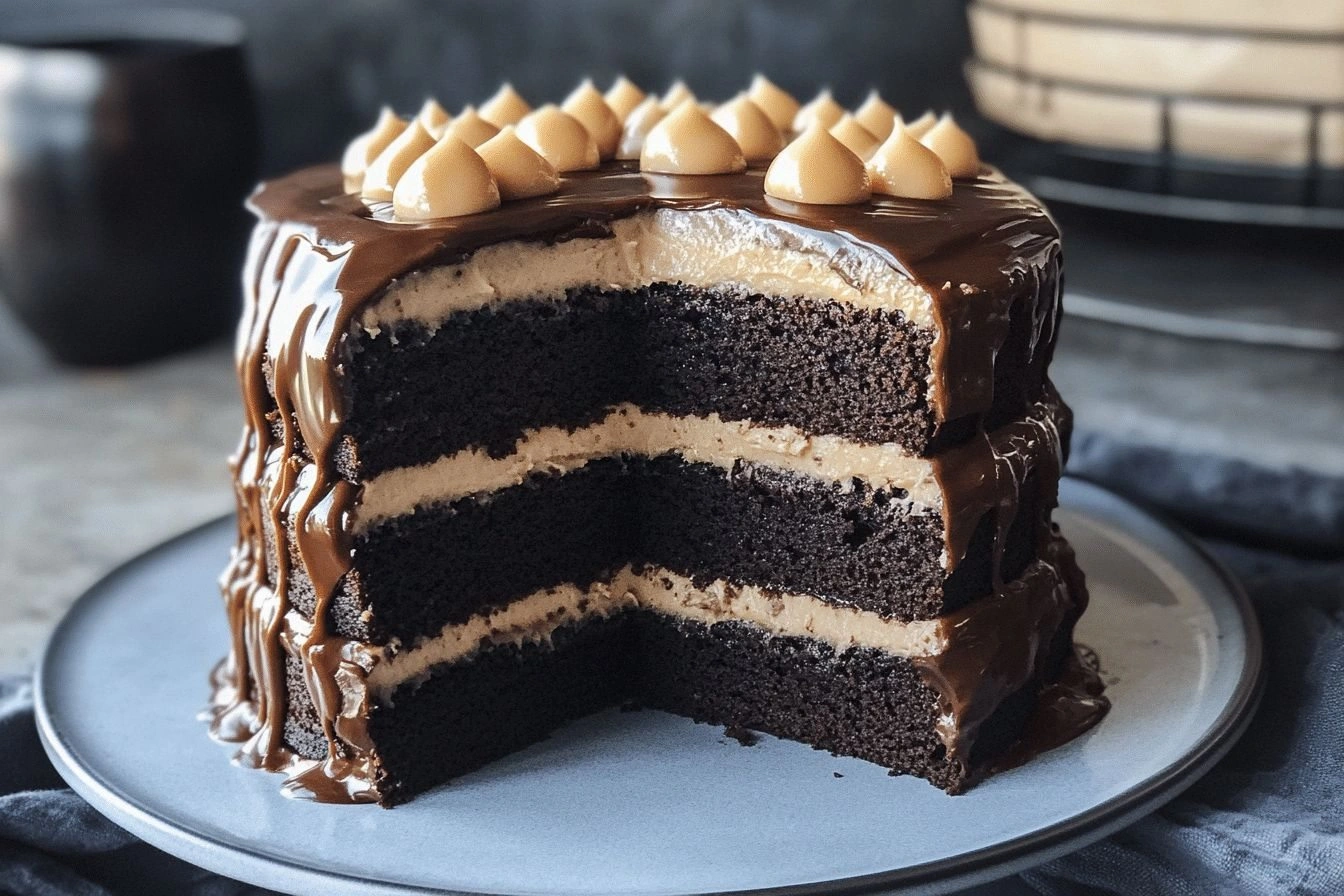
The Method — Step by Step
- Preheat your oven to 350°F (175°C). Grease and flour a 9-inch round cake pan, lining the bottom with parchment for easy release. This step ensures an even bake and a smooth finish. If you skip the parchment, you risk the cake sticking to the pan.
- In a large bowl, whisk together the flour, sugar, cocoa powder, baking powder, baking soda, and sea salt until fully blended. The dry mix should look like fine sand. This creates a uniform base that prevents clumps of cocoa or salt from ruining the batter.
- In a separate bowl, beat the eggs, milk, melted butter, and vanilla extract until the mixture is smooth. The wet ingredients need to be at room temperature to integrate properly. If you’re in a hurry, whisk the eggs directly into the dry mix to save time.
- Pour the wet mixture into the dry mix and stir with a spatula until just combined. The batter will be thick and glossy. Do not overmix; otherwise, the cake will become dense. This is the moment of truth where everything starts to come together.
- Pour the batter into the prepared pan and tap the pan gently on the counter to release any air bubbles. The batter should settle evenly. This step ensures a flat surface for even baking and prevents the cake from doming.
- Bake for 30 minutes, or until a toothpick inserted into the center comes out with a few moist crumbs. The edges will start pulling away from the pan, indicating doneness. This is the trickiest part—overbaking will dry it out. Keep a close eye on the timer.
- Remove the cake from the oven and let it cool in the pan for 10 minutes. Then transfer to a wire rack to cool completely. Cooling on a rack prevents a soggy bottom. This step is crucial for that perfect crumb.
- While the cake is cooling, prepare the salted caramel drizzle. Warm the caramel in a small saucepan over low heat until it’s pourable. Drizzle over the cooled cake, allowing it to seep into the cracks. The caramel adds a buttery crunch that contrasts the soft interior.
- Let the caramel set for 5 minutes before slicing. Serve immediately or store in an airtight container for up to five days. The caramel will keep the cake moist and add a delightful texture. Enjoy your masterpiece!
Insider Tricks for Flawless Results
The Temperature Rule Nobody Follows
Most bakers bake at the highest temperature they can, but this cake thrives at 350°F. The lower heat allows the batter to set slowly, preventing the edges from overcooking while the center remains moist. I’ve found that even a 5-degree difference can change the texture dramatically.
Why Your Nose Knows Best
Before you even taste the cake, inhale the aroma. A warm, chocolatey scent that hints at caramel is a sign that the batter is perfectly balanced. If the smell is too sweet, you’ve over‑added sugar; if it’s flat, the cocoa isn’t fully activated.
The 5-Minute Rest That Changes Everything
Letting the cake rest on a wire rack for 10 minutes is essential. The rest allows steam to escape, preventing a soggy bottom. I’ve seen cakes collapse if they’re sliced right out of the pan; the rest gives the structure time to set.
How to Keep It Moist for Days
Store the cake in a tightly sealed container at room temperature. The caramel glaze acts as a moisture barrier, keeping the crumb soft. If you’re storing it in the fridge, let it come to room temperature before serving to avoid a dry bite.
Using a Water Bath for Even Baking
If you’re baking multiple cakes at once, consider using a water bath. Place the cake pan in a larger pan filled with hot water up to the side of the cake. This ensures even heat distribution and a consistent crumb.
Creative Twists and Variations
This recipe is a playground. Here are some of my favorite ways to switch things up:
Nutty Delight
Add ½ cup chopped walnuts or pecans to the batter for a crunchy texture. The nuts pair beautifully with the salted caramel, adding a nutty depth that complements the chocolate.
Minty Fresh
Stir in 1 teaspoon of peppermint extract for a refreshing twist. The mint balances the sweetness and gives the cake a cool, invigorating finish.
Spiced Surprise
Add ½ teaspoon of cinnamon and a pinch of cayenne pepper for a subtle heat. The spices create a warm, aromatic profile that’s perfect for fall gatherings.
Vegan Version
Replace the eggs with flaxseed meal mixed with water, use oat milk instead of whole milk, and choose a dairy-free caramel sauce. The texture remains fudgy, and the flavor stays rich.
Chocolate Ganache Frosting
Top the cake with a glossy chocolate ganache made from heavy cream and dark chocolate. The ganache adds a silky finish and intensifies the chocolate flavor.
Fruit Infusion
Fold in ½ cup of fresh raspberries or blueberries into the batter before baking. The fruit adds a subtle tartness that cuts through the richness.
Storing and Bringing It Back to Life
Fridge Storage
Store the cake in an airtight container for up to five days. The caramel glaze keeps the cake moist, so you don’t need to worry about it drying out. When you’re ready to eat, let it sit at room temperature for 20 minutes to soften.
Freezer Friendly
Wrap the cake in plastic wrap and place it in a freezer bag. Freeze for up to three months. Thaw in the refrigerator overnight, then let it come to room temperature before serving. The texture remains silky.
Best Reheating Method
Reheat slices in the microwave on low power for 10-15 seconds. If you prefer a warm, gooey bite, place the whole cake in a preheated oven at 300°F for 10 minutes. Add a tiny splash of water before reheating—this steams the cake back to perfection.