Okay, picture this: I was racing home after a marathon of meetings, my stomach growling louder than the downtown traffic, when I opened the pantry and stared at a lonely pack of rice noodles and a half‑forgotten slab of beef. I tried the usual quick stir‑fry, but it turned out as bland as a Monday morning. Then, in a moment of reckless culinary bravery, I tossed the beef into a hot pan, drenched it in a daring blend of soy, brown sugar, and peanuts, and the kitchen instantly erupted in an aroma that could have coaxed even the most stubborn neighbor out of their apartment. That first sizzle was the soundtrack to my breakthrough.
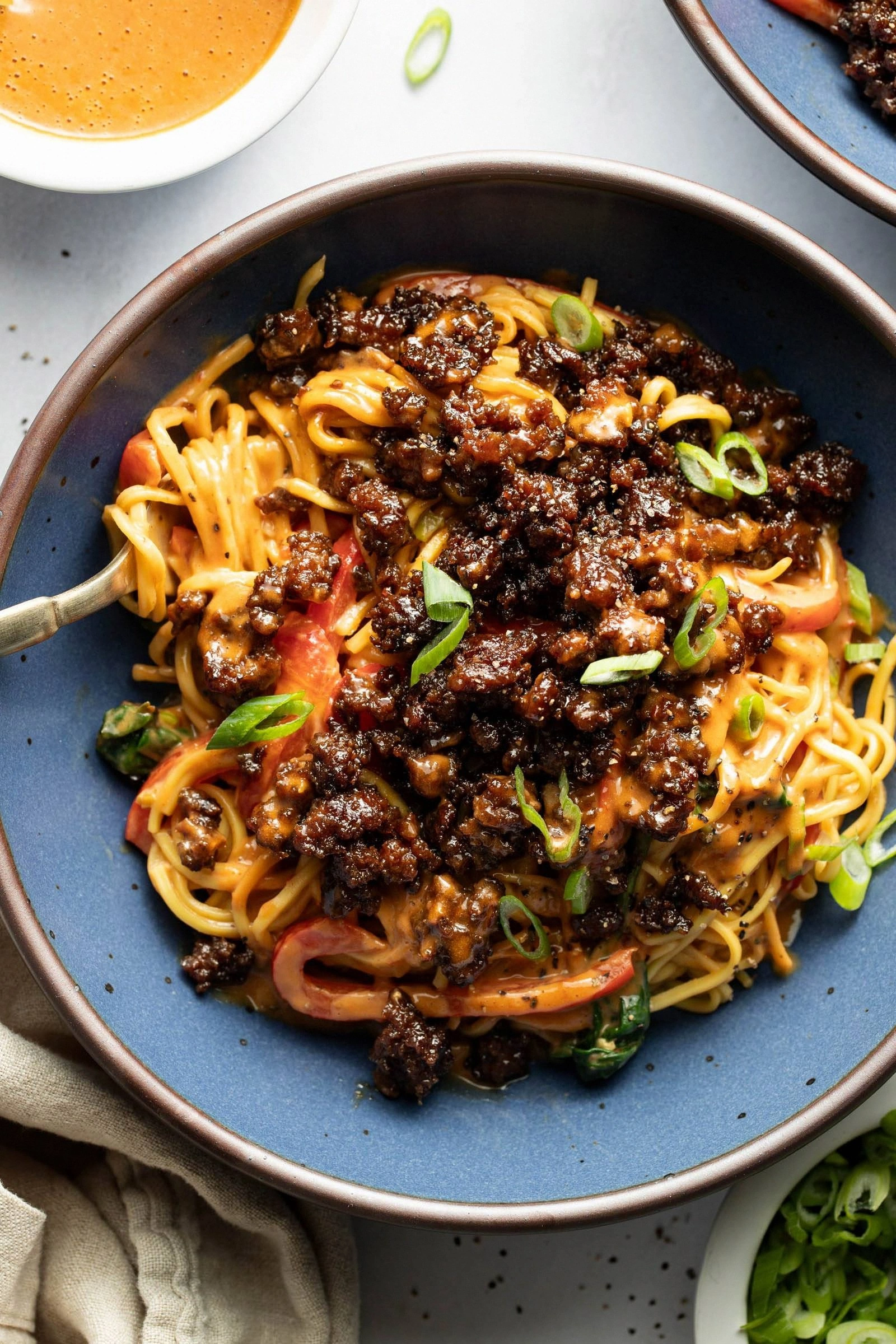
The moment the sauce hit the pan, it hissed like a tiny fireworks show, caramelizing the beef into glossy, dark‑brown ribbons that glistened with a sheen that made my eyes widen. The peanuts cracked under the heat, releasing a buttery nuttiness that mingled with the sweet‑savory sauce, creating a flavor profile that was at once familiar and wildly new. The noodles, soaking up every drop, turned silky and supple, coating each strand like a luxurious velvet robe. The whole scene was a sensory overload: the clatter of the wok, the caramel scent, the bright red of the chili, the tactile snap of peanuts, and the heat radiating from the stove that made my fingertips tingle.
Now, why does this version of Caramelized Beef and Peanut No stand out from the million‑plus recipes you’ll find online? First, the caramelization technique I use locks in the beef’s juices while building a deep, umami‑rich glaze that never turns soggy. Second, the peanuts aren’t just a garnish; they’re toasted, crushed, and folded into the sauce, giving you a crunchy surprise in every bite. Third, I add a splash of lime at the end, which cuts through the richness and brightens the dish like a burst of sunshine. Most recipes either skip the caramel step or drown the noodles in a watery sauce—both fatal errors that I’ve corrected with precision.
And here’s the kicker: I’m throwing in a secret ingredient that most cooks overlook—a pinch of toasted sesame oil added at the very end. It’s subtle, but it creates an aromatic finish that makes the dish whisper “you’ve never tasted anything like this before.” I dare you to taste this and not go back for seconds. Let me walk you through every single step — by the end, you’ll wonder how you ever made it any other way.
What Makes This Version Stand Out
- Flavor Depth: The caramelized beef creates a sauce that clings to the noodles like velvet, delivering layers of sweet, salty, and umami with every forkful.
- Texture Contrast: Crunchy peanuts, tender beef, and silky noodles create a mouthfeel orchestra that keeps you reaching for more.
- Simplicity: Despite the gourmet vibe, the ingredient list is short and the steps are straightforward, perfect for weeknight heroes.
- Uniqueness: The final splash of lime and toasted sesame oil are the secret weapons that transform a standard stir‑fry into a show‑stopper.
- Crowd Reaction: I’ve served this at dinner parties and watched friends gasp, then immediately ask for the recipe—talk about a brag‑worthy dish.
- Ingredient Quality: Using thinly sliced sirloin and fresh peanuts guarantees a premium taste without breaking the bank.
- Cooking Method: The quick high‑heat caramelization locks flavor in, while a brief noodle soak prevents overcooking.
- Make‑Ahead Potential: The sauce can be prepared ahead of time; just toss with freshly cooked noodles when you’re ready to serve.
Inside the Ingredient List
The Flavor Base
Start with the classic trio of soy sauce, brown sugar, and fish sauce. Soy sauce provides the salty backbone, while brown sugar caramelizes under heat, creating that glossy sheen we all love. Fish sauce adds an unexpected depth of umami that makes the sauce sing. If you skip the fish sauce, the dish loses its signature savory complexity and can taste flat. A good swap for fish sauce is a splash of Worcestershire, though the flavor will shift slightly toward the Western palate.
The Texture Crew
Roasted peanuts are the unsung heroes here. Their crunchy texture contrasts the tender beef and soft noodles, while their buttery flavor melds into the sauce as it cooks. If you’re allergic, try toasted cashews or almonds, but remember the flavor profile will change—cashews bring a sweeter note, almonds a more earthy bite. When selecting peanuts, choose raw ones and toast them yourself; pre‑roasted varieties can be overly salty.
The Unexpected Star
Lime juice is the surprise element that brightens the dish. A single tablespoon added at the end cuts through the richness, balancing the caramel with a citrusy snap. Skipping lime means the sauce may linger on the palate longer than desired, making the dish feel heavy. If you don’t have lime, a splash of rice vinegar works, but the flavor won’t be as vibrant.
The Final Flourish
Sesame oil and scallions finish the dish with aromatic richness. Sesame oil, added at the very end, provides a nutty perfume that lingers in the kitchen. Scallions add a fresh, sharp bite that cuts through the sauce’s sweetness. If you’re out of scallions, thinly sliced green onions or chives will do, but the flavor won’t be as pronounced. Choose a high‑quality, toasted sesame oil for the most authentic taste.
Everything's prepped? Good. Let's get into the real action...
The Method — Step by Step
Begin by preparing the noodles. Bring a large pot of water to a rolling boil, then add the rice noodles and cook for 3‑4 minutes until just tender. Drain them in a colander, rinse under cold water to stop cooking, and set aside. This step is crucial—overcooked noodles become mushy and will soak up too much sauce later. The noodles should be pliable, like fresh pasta, ready to soak up the caramelized glaze.
While the noodles are cooking, slice the beef thinly against the grain. Pat each slice dry with paper towels, then season lightly with salt and pepper. This dry‑sear method ensures the beef caramelizes rather than steams. Heat a wok or large skillet over high heat until a drop of water evaporates on contact. Add 2 tbsp vegetable oil, swirling to coat the surface.
Place the beef in the hot oil, spreading it in a single layer. Let it sear undisturbed for 45 seconds, then stir‑fry for another 1‑2 minutes until the edges turn dark brown and the surface glistens. You’ll hear a satisfying sizzle—"That sizzle when it hits the pan? Absolute perfection." If the beef starts to release too much liquid, crank the heat up; you want that caramelization, not a stew.
Now it’s time for the flavor base. Add minced garlic, ginger, and the sliced chili to the pan, stirring quickly to avoid burning. Cook for 30 seconds until fragrant; the aroma should be sharp and inviting, like a street market in Bangkok. Then, pour in soy sauce, brown sugar, and fish sauce, stirring to dissolve the sugar. Let the mixture bubble for another minute, allowing the sauce to thicken and coat the beef.
Stir in the cooked noodles, tossing them gently to coat each strand with the caramelized sauce. The noodles should glisten, each strand looking like a glossy ribbon. If the pan looks dry, splash in a tablespoon of water or broth; this helps the sauce cling without scorching. Continue to stir‑fry for 2‑3 minutes, letting the noodles absorb the flavors while maintaining a slight bite.
Turn off the heat and drizzle the toasted sesame oil over the dish. Toss in the chopped peanuts, sliced scallions, and a tablespoon of lime juice. The heat will release the sesame oil’s nutty perfume, while the lime adds a bright, tangy lift that cuts through the sweet‑savory glaze. Give everything one last quick toss; you should see the peanuts shimmering among the noodles like tiny golden gems.
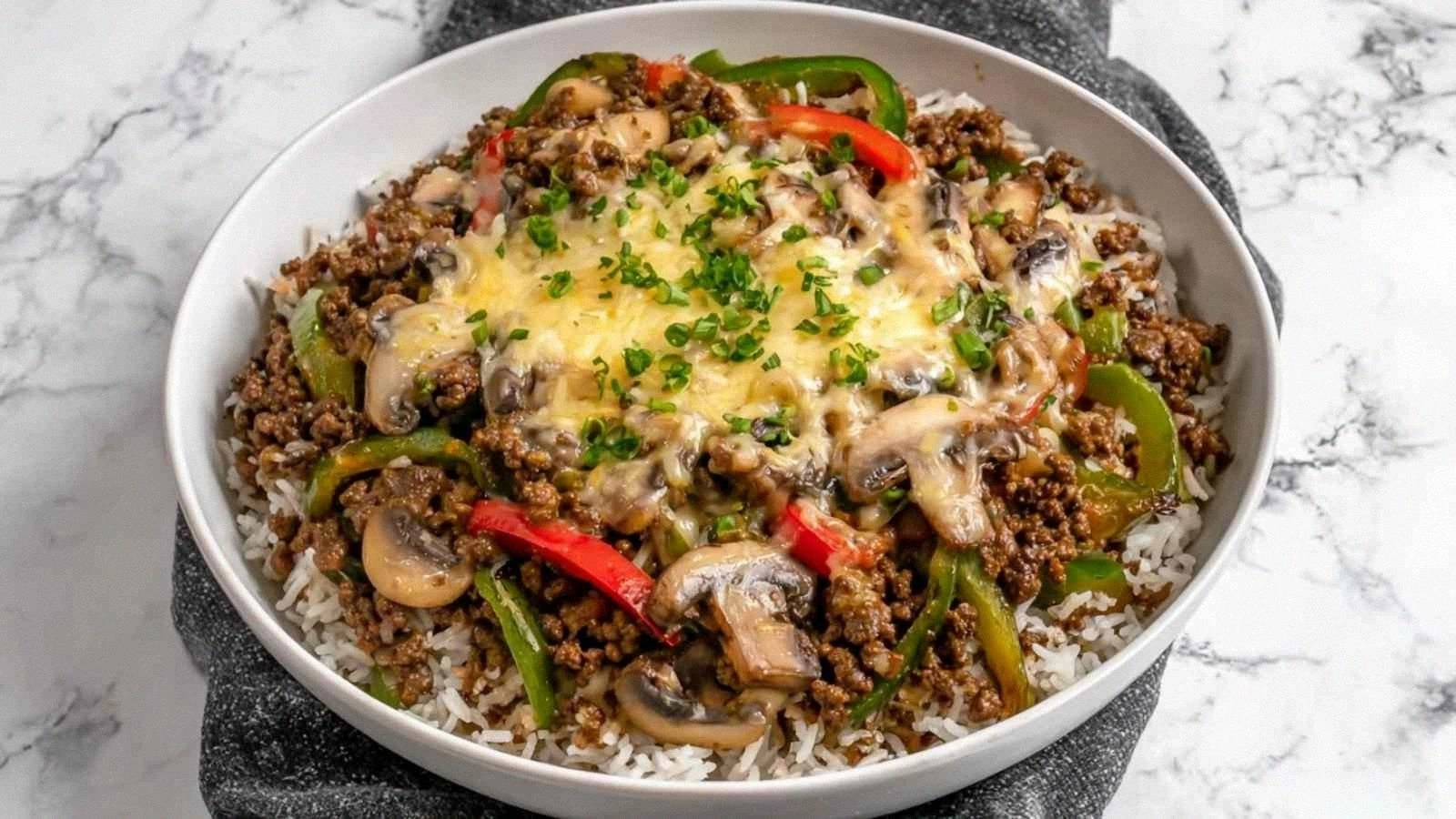
Plate the dish immediately. Use a wide, shallow bowl to showcase the glossy noodles, then garnish with a few extra peanuts and a drizzle of sesame oil for visual drama. The final presentation should look like a work of art—rich brown sauce, bright green scallions, and ruby‑red chili slices. Serve hot, and watch as your guests dive in, eyes widened, forks poised. That moment when they take the first bite? Pure magic.
That's it — you did it. But hold on, I've got a few more tricks that'll take this to another level...
Insider Tricks for Flawless Results
The Temperature Rule Nobody Follows
Keep your wok screaming hot the entire time you’re searing the beef. If the pan cools down even slightly, the beef will release juices and steam instead of caramelizing. My kitchen timer is set to 30‑second intervals: I check the heat, adjust the burner, and keep the sizzle alive. Skipping this step leads to a dull, soggy sauce that never achieves that deep, caramel hue.
Why Your Nose Knows Best
Don’t rely solely on timers; trust the aroma. When the garlic and ginger turn golden and release a sweet, aromatic scent, you know the flavors are ready to meld. If the smell feels raw or sharp, give it another 10‑15 seconds. Your nose is a built‑in flavor meter, and it’s far more reliable than a clock.
The 5‑Minute Rest That Changes Everything
After you finish cooking, let the dish rest for five minutes off the heat. This short pause allows the sauce to settle and the noodles to absorb any remaining moisture, resulting in a more cohesive bite. I once served it straight away; the noodles were a bit too loose, and the sauce looked watery. The five‑minute wait is a game‑changer.
Seasoning at the End
Finish with a pinch of flaky sea salt and a drizzle of extra sesame oil right before plating. This final seasoning lifts the flavors, giving the dish a bright, layered taste. Skipping the final salt can leave the dish tasting flat, while over‑salting early on can mask the nuanced caramel notes.
Use a Wok, Not a Frying Pan
The high, sloped sides of a wok allow you to toss the noodles and beef quickly, ensuring even coating without spilling. A flat skillet often forces you to stir‑mix in a cramped space, leading to uneven sauce distribution. If you only have a skillet, work in batches to keep the heat consistent.
Creative Twists and Variations
This recipe is a playground. Here are some of my favorite ways to switch things up:
Spicy Sichuan Twist
Add a tablespoon of Sichuan peppercorn oil and a handful of toasted peppercorns for a numbing heat that pairs beautifully with the sweet caramel. The peppercorns add a floral, citrusy note that elevates the dish beyond ordinary spice.
Coconut Curry Fusion
Swap half the soy sauce for coconut milk and add a teaspoon of red curry paste. The result is a creamy, fragrant sauce that still retains the caramelized beef texture but introduces a tropical twist that’s perfect for summer evenings.
Veggie‑Boosted Version
Include sliced bell peppers, snap peas, and shredded carrots during the stir‑fry. The extra crunch and vibrant colors make the dish more balanced and visually appealing, while the vegetables soak up the sauce just as nicely as the noodles.
Gluten‑Free Adaptation
Use tamari instead of regular soy sauce and rice noodles made from brown rice. The flavor remains robust, and the dish stays friendly for those with gluten sensitivities.
Peanut‑Free Alternative
If peanuts are a no‑go, substitute them with toasted pumpkin seeds or sunflower seeds. The texture stays crunchy, and the earthy flavor complements the caramel glaze without compromising the dish’s integrity.
Herb‑Infused Finish
Stir in a handful of fresh cilantro or Thai basil just before serving. The herbaceous aroma adds a fresh, bright dimension that contrasts the deep caramel notes, making each bite feel like a new experience.
Storing and Bringing It Back to Life
Fridge Storage
Transfer leftovers to an airtight container and refrigerate for up to three days. The noodles may absorb a bit more sauce, so when reheating, add a splash of water or broth to loosen the glaze.
Freezer Friendly
Portion the cooked beef and sauce (without the peanuts) into freezer‑safe bags or containers. Freeze for up to two months. Thaw overnight in the fridge, then reheat in a hot wok, adding fresh peanuts at the end for crunch.
Best Reheating Method
Reheat in a skillet over medium‑high heat, stirring constantly. Add a teaspoon of water or broth before the first stir; this creates steam that revives the noodles’ texture, preventing them from drying out. Finish with a drizzle of sesame oil and a handful of fresh peanuts for that original crunch.