I remember the night I tried to impress my roommate with a “quick” dinner, only to end up with a burnt sheet of puff pastry and a cheese disaster that made me question my culinary future. The kitchen was a mess of melted cheese on the counter, a half‑cooked pastry that looked like a soggy cloud, and the faint scent of burnt sugar that lingered for hours. That disaster was the spark that ignited my obsession with the perfect baked Gruyère pocket.
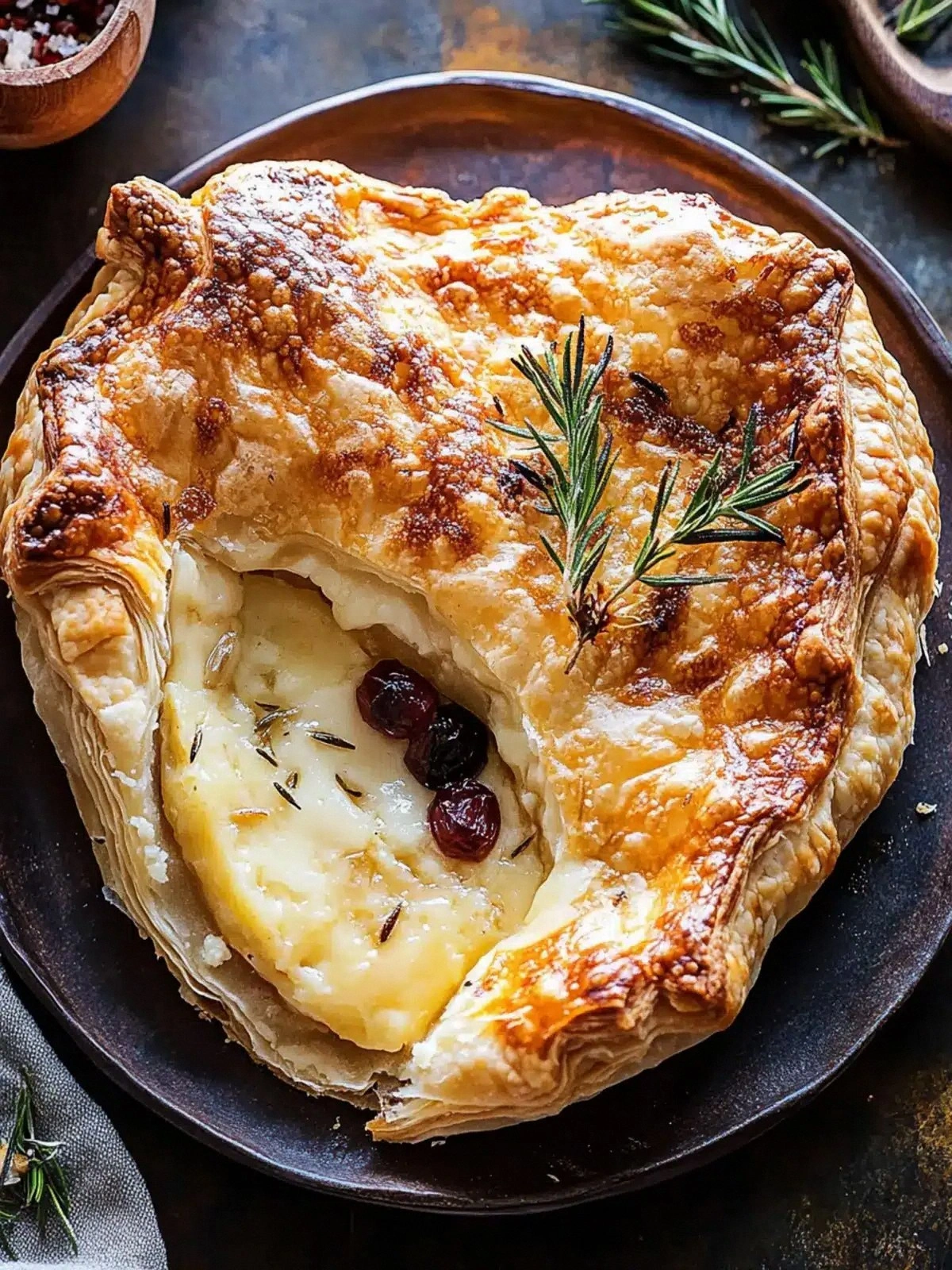
Picture this: a golden puff pastry shell, crisp as a freshly cut paper, that gives way to a molten core of Gruyère that oozes like molten lava. The aroma of rosemary mingles with the sweet whisper of honey, while the subtle crunch of coarse sugar offers a textural counterpoint. Every bite is a symphony of textures—crisp, creamy, and slightly sweet—each note playing in perfect harmony.
What sets this version apart is that it’s not just about the cheese or the pastry. It’s about the way each element is elevated to create a dish that feels indulgent yet approachable. The cheese is not merely melted; it’s infused with rosemary and honey, turning it into a savory-sweet sauce that coats the pastry like velvet. The pastry is brushed with a glossy egg wash and finished with a dusting of coarse sugar that caramelizes into a subtle crunch.
And the best part? You can make this in under 45 minutes, and the result feels like a gourmet creation you’d find in a Michelin‑star kitchen. I dare you to taste this and not go back for seconds. If you’ve ever struggled to get a puff pastry to stay crisp, you’re not alone—this recipe is the fix you’ve been searching for.
Now, if you’re ready for a game‑changer that turns pantry staples into a show‑stopping bite, let me walk you through every single step. By the end, you’ll wonder how you ever made it any other way.
What Makes This Version Stand Out
- Taste: The honey and rosemary elevate the Gruyère, creating a sweet‑savory balance that lingers on the palate. The coarse sugar adds a caramelized crunch that contrasts the molten cheese.
- Texture: The puff pastry remains crisp and flaky, while the filling remains oozy yet controlled, thanks to the precise baking time.
- Ingredient Quality: Using a high‑quality Gruyère or Fontina ensures a rich, buttery flavor that melts perfectly without becoming greasy.
- Simplicity: The recipe requires only seven ingredients, all of which you can find in any grocery store, and no advanced techniques.
- Make‑Ahead Potential: Assemble the pockets ahead of time, refrigerate, and bake just before serving—great for dinner parties or busy weeknights.
- Visual Appeal: The golden crust, glossy finish, and caramelized sugar give a restaurant‑grade presentation that impresses guests.
- Versatility: Swap the cheese or herbs to create variations that cater to different dietary preferences or flavor profiles.
- Speed: From prep to plate, it takes under an hour, making it a quick yet sophisticated option.
Inside the Ingredient List
The Flavor Base
Gruyère is the heart of this dish. Its nutty, slightly sweet profile melts into a silky sauce that clings to the pastry. If you use Fontina instead, the result will be slightly milder but still delicious. The choice between the two cheeses is a matter of personal preference; both bring depth.
Rosemary is the aromatic hero that complements the cheese’s richness. Fresh rosemary offers bright, piney notes that cut through the creaminess. If you’re out of rosemary, a pinch of dried thyme can serve as a substitute, but the flavor will shift slightly.
Honey adds a natural sweetness that balances the saltiness of the cheese and the earthiness of rosemary. A light drizzle of honey also helps create a glossy finish on the pastry. Use a high‑quality honey for the best flavor.
Coarse sugar is the final touch that caramelizes on the pastry’s surface, giving a subtle crunch. It’s a simple ingredient that transforms the dish from ordinary to extraordinary. If you don’t have coarse sugar, you can use regular granulated sugar, but the texture will differ.
The Texture Crew
Frozen puff pastry is the backbone of the dish. It provides a flaky, buttery crust that crisps up beautifully when baked. The pastry’s pre‑made layers mean you can focus on the filling without worrying about dough.
Egg beaten for brushing adds a golden sheen and helps the pastry rise. It also creates a slight barrier that keeps the filling from leaking. If you’re vegan, a splash of plant‑based milk will work as a substitute.
Garlic is the flavor enhancer that adds a punch of umami. The cloves should be minced finely so they distribute evenly. If you’re sensitive to garlic, reduce the amount or use a garlic powder for a milder taste.
The combination of these textures ensures each bite delivers a satisfying contrast—from the crisp pastry to the molten cheese and the crunchy sugar.
Everything's prepped? Good. Let's get into the real action.
The Method — Step by Step
- Preheat the oven to 400°F (200°C). Line a baking sheet with parchment paper. This ensures the pastry won’t stick and makes cleanup a breeze. The temperature is crucial for a crisp, golden finish.
- Lay the frozen puff pastry sheet on a lightly floured surface. Roll it out gently to even out the thickness. Cut into four equal squares using a pizza cutter or sharp knife. The even size guarantees uniform baking.
- In a medium bowl, combine the grated Gruyère, minced garlic, chopped rosemary, honey, and a tablespoon of coarse sugar. Stir until the mixture is well blended and the cheese is slightly coated with the honey. This step creates the molten filling that will make your taste buds sing.
- Place a generous spoonful of the cheese mixture onto the center of each pastry square, leaving a border of about 1/2 inch. The filling should be thick enough to hold its shape but not so much that it overflows. The border allows you to seal the edges properly.
- Fold each square in half to form a pocket, then press the edges together. Use a fork to crimp the edges firmly; this seals the filling inside and creates a decorative pattern. The crimping also helps the pastry keep its shape during baking.
- Brush the tops of each pocket with beaten egg. This gives a beautiful shine and helps the pastry rise. Sprinkle a light dusting of coarse sugar over the tops; it will caramelize during baking, adding a sweet crunch.
- Place the prepared pockets on the lined baking sheet and bake for 18–20 minutes. The pastry should puff up and turn a rich golden brown, while the cheese inside will be bubbling and slightly golden. The aroma will fill the kitchen, making your mouth water in anticipation.
- Remove the pastries from the oven and let them rest on a wire rack for 2 minutes. This brief rest allows the cheese to set just enough to avoid a molten mess when you cut into it.
- Slice each pocket in half with a warm knife to reveal the molten cheese. Serve immediately, perhaps alongside a crisp green salad or a light vinaigrette. The contrast between the warm, gooey interior and the cool, fresh salad is pure bliss.
That's it—you did it. But hold on, I've got a few more tricks that'll take this to another level. Keep reading for insider tips that will make your next batch even more impressive.
Insider Tricks for Flawless Results
The Temperature Rule Nobody Follows
Many bakers bake at 375°F, thinking it’s safe for all pastries. However, 400°F is the sweet spot for puff pastry; it ensures the layers separate and rise without overbrowning. The higher temperature also creates that coveted crunch that melts into a buttery interior.
If your oven runs hot, offset the rack to the middle and reduce the temperature by 10–15°F. This helps maintain an even bake and prevents the edges from burning before the cheese melts.
Why Your Nose Knows Best
Before you pull the pastries out, trust your sense of smell. A subtle, sweet, buttery aroma indicates the cheese is melting properly. If it smells too sharp or metallic, the cheese might be overcooked.
A quick sniff can save you from a batch of over‑baked, dry pockets. The sweet scent of honey and the nutty aroma of Gruyère should mingle in perfect harmony.
The 5-Minute Rest That Changes Everything
Letting the pastries rest for 5 minutes after baking allows the cheese to set slightly, making it easier to slice without a cheese spill. This also lets the pastry crisp up a bit more, enhancing the texture.
If you’re serving immediately, a 2‑minute rest is fine, but the 5‑minute rest gives a more polished presentation.
Use Fresh Herbs, Not Dried
Fresh rosemary offers bright, aromatic flavors that dried rosemary can’t match. The essential oils in fresh herbs release during baking, infusing the cheese with a lively taste.
If you’re out of fresh rosemary, use a small amount of dried rosemary, but add it earlier in the baking process to allow the oils to bloom.
Don’t Skip the Egg Wash
The egg wash not only gives the pastry a shiny finish but also helps seal the edges. Without it, the pastry may crack or the filling could leak, ruining the presentation.
If you’re vegan, a splash of soy milk or aquafaba can provide a similar glossy effect.
Keep It Cool When Storing
Store leftover pastries in an airtight container in the refrigerator for up to 48 hours. When reheating, use a preheated oven at 350°F for 5 minutes to restore crispness.
Avoid microwaving, as it will make the pastry soggy and the cheese rubbery.
Creative Twists and Variations
This recipe is a playground. Here are some of my favorite ways to switch things up:
Smoky Chipotle Gruyère
Add a teaspoon of chipotle powder to the cheese mixture for a smoky kick. The heat pairs beautifully with the sweet honey, creating a flavor profile reminiscent of a campfire.
Serve with a side of avocado salsa to balance the heat and add a creamy contrast.
Caramelized Onion & Gruyère
Sauté thinly sliced onions until they’re golden brown and sweet. Fold them into the cheese mixture before filling the pastry. The caramelized onion adds depth and a touch of sweetness.
This version works well as a brunch item with a side of fresh fruit.
Spinach and Goat Cheese
Replace Gruyère with goat cheese and add a handful of sautéed spinach. The goat cheese’s tangy profile balances the spinach’s earthiness.
A sprinkle of toasted pine nuts on top before baking adds a nutty crunch.
Chocolate‑Infused Gruyère
Stir in a tablespoon of dark chocolate chips into the cheese mixture. The chocolate melts with the cheese, creating a rich, indulgent flavor.
Serve with a drizzle of raspberry coulis for a decadent dessert twist.
Herb Trio Delight
Mix chopped fresh thyme, basil, and oregano into the cheese mixture for a Mediterranean flair. Each herb contributes a distinct aroma that layers beautifully.
This version pairs wonderfully with a Greek salad for a complete meal.
Vegan Cheese Alternative
Swap Gruyère for a high‑quality vegan cheese that melts well, such as a nut‑based cheese. Combine it with nutritional yeast for a cheesy flavor.
Use a plant‑based milk for the egg wash to keep the pastry golden and crisp.
Storing and Bringing It Back to Life
Fridge Storage
Store leftover pastries in an airtight container in the refrigerator for up to 48 hours. When ready to serve, place them on a baking sheet and reheat in a preheated oven at 350°F for 5 minutes. The pastry will regain its crispness, and the cheese will be pleasantly warm.
Freezer Friendly
Wrap each pastry tightly in plastic wrap and place them in a freezer bag. They can be stored for up to 2 months. Thaw overnight in the fridge before reheating. This is perfect for meal prep or quick weeknight dinners.
Best Reheating Method
Reheat in a preheated oven at 350°F for 5 minutes, or until the pastry is heated through. Adding a splash of water to the bottom of the baking sheet creates steam, which keeps the pastry from drying out. This trick ensures a moist interior and a crisp exterior.