
Grilled Salmon Fillets
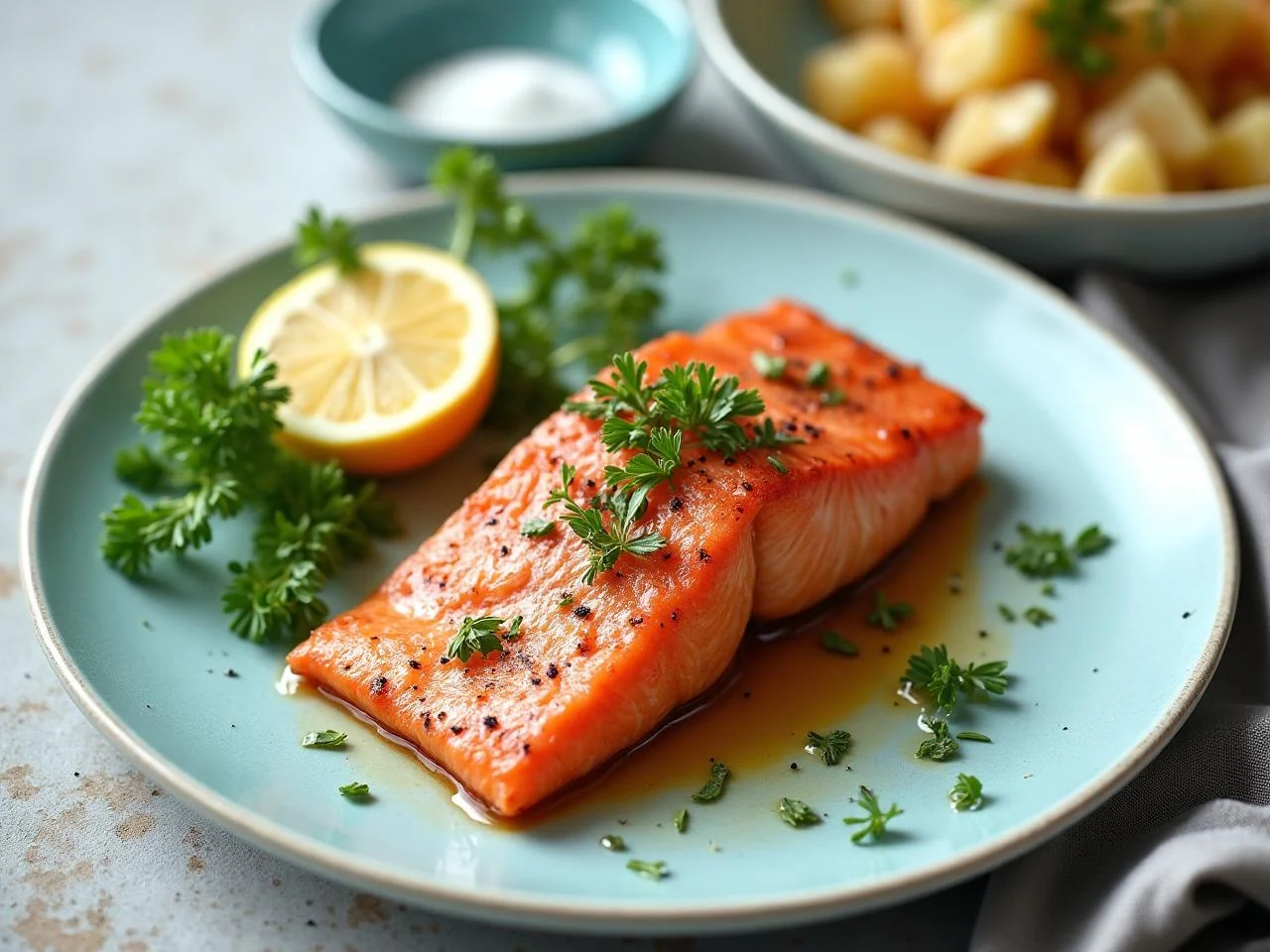
I still remember the first time I grilled salmon fillets at home. I was nervous, having heard horror stories about overcooking fish. But with some simple tips and techniques, I was able to achieve a perfectly cooked, moist, and flavorful dish that impressed my family and friends.
As a coastal home cook and former fishmonger's daughter, I've learned that seafood doesn't have to be intimidating. With the right approach, anyone can create delicious and memorable meals. In this recipe, I'll share my secrets for grilling salmon fillets to perfection, including how to choose the freshest fish, prepare it for the grill, and finish it with a rich and tangy pan sauce.
Grilled salmon fillets are an ideal dish for a weeknight dinner or a special occasion. They're easy to prepare, cook quickly, and can be served with a variety of sides and salads. Whether you're a seafood lover or just looking to mix things up, this recipe is sure to become a favorite.
In this article, I'll guide you through the process of grilling salmon fillets, from prep to plate. You'll learn how to select the freshest fish, prepare it for the grill, and cook it to the perfect doneness. I'll also share my tips for preventing common mistakes and provide variations for different tastes and dietary preferences.
Why You’ll Love This Recipe
- Grilled salmon fillets are an easy and foolproof seafood recipe that can be prepared in under 30 minutes.
- This dish is perfect for a weeknight dinner or a special occasion, and can be served with a variety of sides and salads.
- The recipe is versatile and can be adapted to different tastes and dietary preferences.
- Grilled salmon fillets are a healthy and nutritious option, rich in protein, omega-3 fatty acids, and various vitamins and minerals.
- This recipe is budget-friendly and can be made with fresh and sustainable ingredients.
- The dish is crowd-pleasing and can be served to a large group of people.
- Grilled salmon fillets can be made ahead of time and reheated when needed.
Why This Recipe Works
The key to perfectly grilled salmon fillets is understanding the importance of heat control, fat, and moisture. By preheating the grill to the right temperature and using a small amount of oil, you can achieve a crispy crust on the outside while keeping the inside tender and moist.
Another crucial factor is the seasoning. By layering the flavors, you can create a rich and complex taste experience that complements the natural flavors of the fish. In this recipe, I'll show you how to season the salmon fillets with a mixture of salt, pepper, and herbs, and then finish them with a tangy and creamy pan sauce.
The resting time is also essential, as it allows the fish to retain its juices and flavors. By letting the salmon fillets rest for a few minutes before serving, you can ensure that they stay moist and flavorful.
Ingredients You’ll Need
To make grilled salmon fillets, you'll need a few simple ingredients, including fresh salmon fillets, olive oil, salt, pepper, and herbs. You'll also need a grill or grill pan, as well as a few basic kitchen tools.
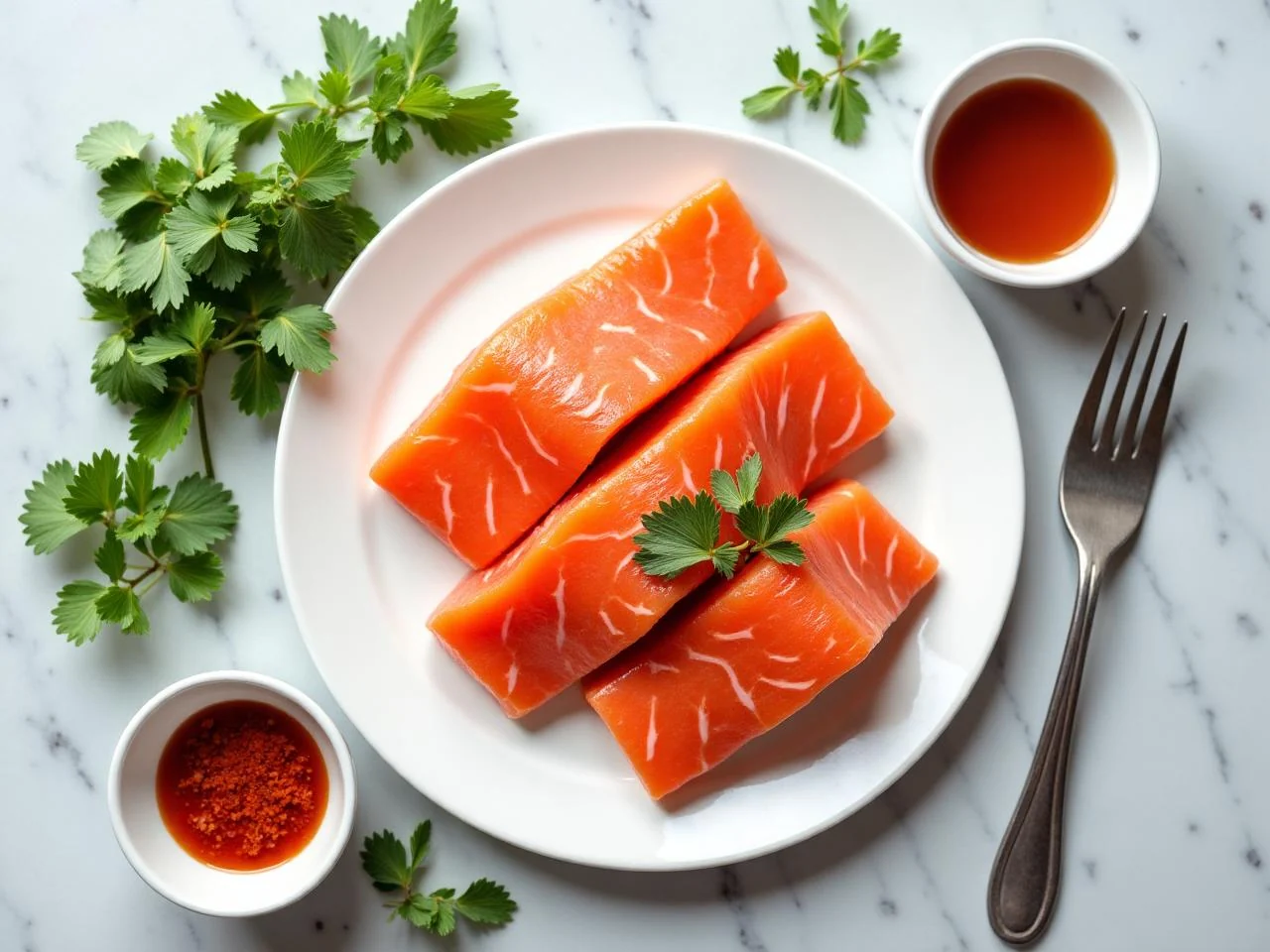
When shopping for salmon fillets, look for fresh and sustainable options. You can find them at your local fish market or grocery store. Make sure to choose fillets that are thick and meaty, with a nice pink color and a slightly firm texture.
- 4 salmon fillets, 6 oz (170g) eachLook for fresh and sustainable salmon fillets, with a nice pink color and a slightly firm texture. You can also use other types of fish, such as tilapia or mahi-mahi, but adjust the cooking time accordingly.
- 2 tbsp olive oilUse a high-quality olive oil with a mild flavor, as it will help to bring out the natural flavors of the fish. You can also use other types of oil, such as avocado or grapeseed, but adjust the amount according to your preference.
- 1 tsp saltUse a flaky sea salt or kosher salt, as it will help to bring out the flavors of the fish and add a nice texture. You can also use other types of salt, such as Himalayan pink salt, but adjust the amount according to your preference.
- 1/2 tsp black pepperUse a freshly ground black pepper, as it will help to add a nice flavor and aroma to the dish. You can also use other types of pepper, such as white or green peppercorns, but adjust the amount according to your preference.
- 1/4 cup chopped fresh parsleyUse a fresh and curly parsley, as it will help to add a nice flavor and texture to the dish. You can also use other types of herbs, such as dill or basil, but adjust the amount according to your preference.
- 2 cloves garlic, mincedUse a fresh and pungent garlic, as it will help to add a nice flavor and aroma to the dish. You can also use other types of garlic, such as roasted or pickled, but adjust the amount according to your preference.
- 2 tbsp freshly squeezed lemon juiceUse a fresh and juicy lemon, as it will help to add a nice flavor and brightness to the dish. You can also use other types of citrus, such as lime or orange, but adjust the amount according to your preference.
- 1/4 cup white wineUse a dry and crisp white wine, such as Sauvignon Blanc or Pinot Grigio, as it will help to add a nice flavor and acidity to the dish. You can also use other types of wine, such as red or sparkling, but adjust the amount according to your preference.
- 2 tbsp unsalted butterUse a high-quality unsalted butter, as it will help to add a nice flavor and richness to the dish. You can also use other types of butter, such as salted or browned, but adjust the amount according to your preference.
- Salt and pepper to taste
Equipment You’ll Need
How to Make Grilled Salmon Fillets
- 1Preheat the grill to medium-high heat, about 400 F (200 C). Make sure to clean the grill grates with a brush to prevent sticking.
- 2Rinse the salmon fillets under cold water and pat them dry with paper towels. This will help to remove excess moisture and prevent sticking.
- 3Season the salmon fillets with salt, pepper, and parsley. Make sure to coat them evenly, but don't overseason.
- 4Heat the olive oil in a small bowl and brush it onto the grill grates. This will help to prevent sticking and add flavor to the fish.
- 5Place the salmon fillets on the grill, skin side down (if they have skin). Close the lid and cook for 4-5 minutes, or until the skin is crispy and golden brown.
- 6Flip the salmon fillets over and cook for another 4-5 minutes, or until they reach an internal temperature of 145 F (63 C). Use an instant-read thermometer to check the temperature.
- 7While the salmon is cooking, melt the butter in a small saucepan over medium heat. Add the garlic and cook for 1-2 minutes, or until fragrant.
- 8Add the lemon juice and white wine to the saucepan and cook for 2-3 minutes, or until the liquid has reduced slightly.
- 9Remove the salmon fillets from the grill and place them on a plate. Spoon the pan sauce over the top of each fillet and serve immediately.
- 10Let the salmon fillets rest for 2-3 minutes before serving. This will help to retain the juices and flavors.
- 11Serve the grilled salmon fillets with your choice of sides, such as roasted vegetables, quinoa, or a salad.
Expert Tips
- Make sure to preheat the grill to the right temperature, as this will help to achieve a crispy crust on the outside and a tender interior.
- Don't overseason the salmon fillets, as this can overpower the natural flavors of the fish.
- Use a meat thermometer to check the internal temperature of the salmon, as this will ensure that it is cooked to a safe temperature.
- Let the salmon fillets rest for a few minutes before serving, as this will help to retain the juices and flavors.
- Experiment with different seasonings and sauces to find your favorite flavor combination.
- Consider using a grill pan or skillet if you don't have access to an outdoor grill.
- Don't overcrowd the grill, as this can lower the temperature and affect the cooking time.
- Keep the grill clean and well-maintained to prevent sticking and ensure even cooking.
Common Mistakes to Avoid
- Overcooking the salmon fillets, which can make them dry and tough.
- Not preheating the grill to the right temperature, which can affect the cooking time and texture.
- Not patting the salmon fillets dry before grilling, which can cause them to stick to the grill.
- Not using a meat thermometer to check the internal temperature, which can result in undercooked or overcooked fish.
- Not letting the salmon fillets rest before serving, which can cause them to lose their juices and flavors.
- Not cleaning the grill regularly, which can cause sticking and affect the flavor of the fish.
Variations and Substitutions
- Using different types of fish, such as tilapia or mahi-mahi, and adjusting the cooking time accordingly.
- Adding other seasonings or spices, such as paprika or cumin, to the salmon fillets.
- Using different types of oil, such as avocado or grapeseed, to brush the grill grates.
- Adding other ingredients to the pan sauce, such as diced onions or bell peppers, to add flavor and texture.
- Serving the grilled salmon fillets with different sides, such as roasted sweet potatoes or a salad.
- Using a grill pan or skillet instead of an outdoor grill.
- Adding a squeeze of fresh lemon juice to the salmon fillets before serving.
What to Serve With Grilled Salmon Fillets
Grilled salmon fillets are a versatile dish that can be served with a variety of sides and salads. Some popular options include roasted vegetables, quinoa, or a simple green salad.
Consider serving the grilled salmon fillets with a side of roasted asparagus or Brussels sprouts, which can be tossed with olive oil, salt, and pepper, and roasted in the oven until tender and caramelized.
Make-Ahead, Storage, Freezing and Reheating
Grilled salmon fillets can be stored in the refrigerator for up to 3 days or frozen for up to 2 months. To store, place the cooked salmon fillets in an airtight container and refrigerate or freeze.
To reheat, simply place the salmon fillets in the oven at 350 F (175 C) for 5-7 minutes, or until warmed through. You can also reheat them in the microwave, but be careful not to overcook.
When freezing, make sure to wrap the salmon fillets tightly in plastic wrap or aluminum foil to prevent freezer burn. Label and date the package, and store it in the freezer at 0 F (-18 C) or below.
Frequently Asked Questions
What type of fish is best for grilling?
Salmon is a popular choice for grilling, but other types of fish, such as tilapia or mahi-mahi, can also be used. Look for fish with a firm texture and a mild flavor.
How do I prevent the salmon from sticking to the grill?
Make sure to preheat the grill to the right temperature and brush the grates with oil before cooking. You can also pat the salmon fillets dry with paper towels to remove excess moisture.
What is the internal temperature of cooked salmon?
The internal temperature of cooked salmon should be at least 145 F (63 C). Use a meat thermometer to check the temperature.
Can I cook the salmon fillets in a skillet instead of on the grill?
Yes, you can cook the salmon fillets in a skillet on the stovetop. Simply heat a small amount of oil in the skillet over medium-high heat and cook the salmon for 3-4 minutes per side, or until cooked through.
How do I store leftover grilled salmon?
Grilled salmon can be stored in the refrigerator for up to 3 days or frozen for up to 2 months. To store, place the cooked salmon in an airtight container and refrigerate or freeze.
Can I make the pan sauce ahead of time?
Yes, you can make the pan sauce ahead of time and store it in the refrigerator for up to 24 hours. Simply reheat the sauce before serving.
What are some variations on the recipe?
You can try using different types of fish, such as tilapia or mahi-mahi, or adding other seasonings or spices to the salmon fillets. You can also serve the grilled salmon with different sides, such as roasted vegetables or a salad.
Is grilled salmon healthy?
Yes, grilled salmon is a healthy option. It is high in protein, omega-3 fatty acids, and various vitamins and minerals, and low in calories and saturated fat.
Ingredients
- 4 salmon fillets, 6 oz (170g) each
- 2 tbsp olive oil
- 1 tsp salt
- 1/2 tsp black pepper
- 1/4 cup chopped fresh parsley
- 2 cloves garlic, minced
- 2 tbsp freshly squeezed lemon juice
- 1/4 cup white wine
- 2 tbsp unsalted butter
- Salt and pepper to taste
Instructions
- Preheat the grill to medium-high heat, about 400 F (200 C). Make sure to clean the grill grates with a brush to prevent sticking.
- Rinse the salmon fillets under cold water and pat them dry with paper towels. This will help to remove excess moisture and prevent sticking.
- Season the salmon fillets with salt, pepper, and parsley. Make sure to coat them evenly, but don't overseason.
- Heat the olive oil in a small bowl and brush it onto the grill grates. This will help to prevent sticking and add flavor to the fish.
- Place the salmon fillets on the grill, skin side down (if they have skin). Close the lid and cook for 4-5 minutes, or until the skin is crispy and golden brown.
- Flip the salmon fillets over and cook for another 4-5 minutes, or until they reach an internal temperature of 145 F (63 C). Use an instant-read thermometer to check the temperature.
- While the salmon is cooking, melt the butter in a small saucepan over medium heat. Add the garlic and cook for 1-2 minutes, or until fragrant.
- Add the lemon juice and white wine to the saucepan and cook for 2-3 minutes, or until the liquid has reduced slightly.
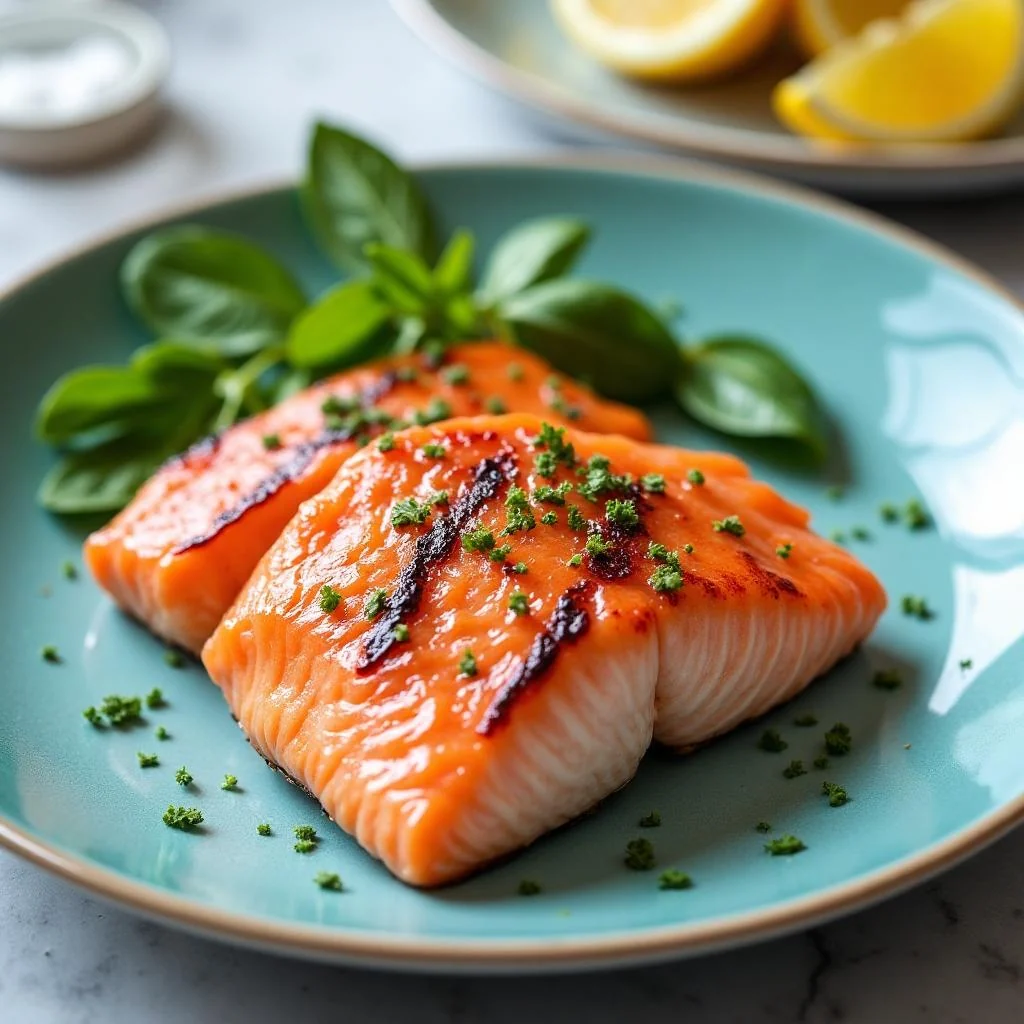
- Remove the salmon fillets from the grill and place them on a plate. Spoon the pan sauce over the top of each fillet and serve immediately.
- Let the salmon fillets rest for 2-3 minutes before serving. This will help to retain the juices and flavors.
- Serve the grilled salmon fillets with your choice of sides, such as roasted vegetables, quinoa, or a salad.