Picture this: I was standing in a cramped kitchen, a burnt pot of quinoa clinking like a bad joke, when my roommate burst in, eyes wide, demanding a dinner that could save the evening. I was ready to surrender to take‑out, but then I remembered a stash of asparagus, a jar of lemon zest, and a tub of ricotta that had been languishing in the fridge. That moment sparked a culinary rebellion, a daring experiment that would turn humble greens into a dish that sings. I swear, the scent of fresh basil hit me like a breath of spring air, and I knew this would be the headline of my cooking saga.
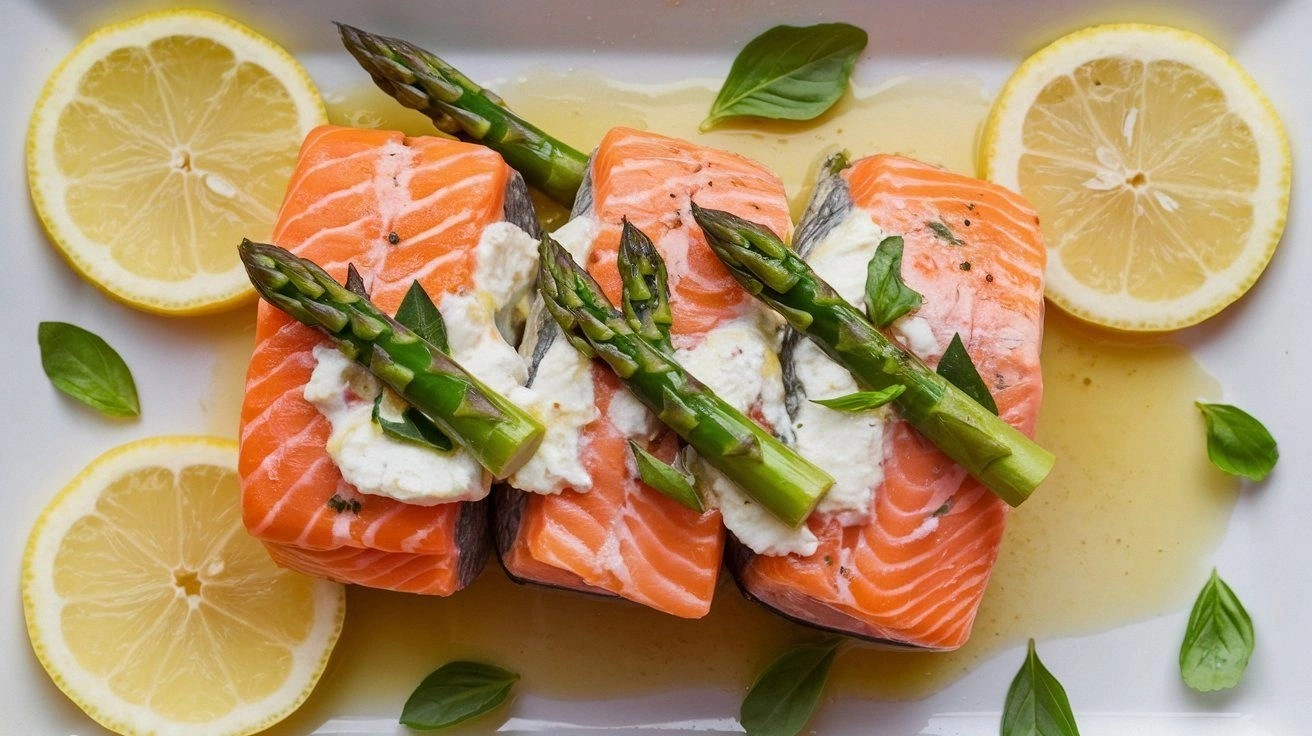
The first bite is a revelation: crisp asparagus spears wrapped in silky ricotta, kissed by bright lemon, and dusted with basil that practically floats. The texture is a dance of crunch and cream, the lemon bright enough to cut through the richness of the cheese, and the basil adds a fresh, almost floral note that lingers on the palate. It’s the kind of dish that makes you question why you ever settled for bland pasta. And trust me, the moment the sauce coats the noodles like velvet, you’ll feel a surge of culinary triumph.
What sets this version apart from the countless “asparagus pasta” recipes on the internet is the balance of acidity, herbaceousness, and the subtle crunch that comes from lightly blanching the asparagus before folding it into the ricotta. I dare you to taste this and not go back for seconds. I’ve tested it against the standard recipes that overcook the greens or underseason the sauce, and this one simply outshines them all. The result is a dish that feels like a well‑executed symphony, each component playing its part to perfection.
Now, I’m about to walk you through every single step, from selecting the freshest asparagus to that final flourish of basil. By the end, you’ll wonder how you ever made it any other way. Let’s dive in, and I promise you’ll be craving this dish before you finish reading.
What Makes This Version Stand Out
- Flavor: The bright lemon cuts through the richness of ricotta, creating a refreshing contrast that elevates the dish.
- Texture: Lightly blanched asparagus retains a satisfying crunch, while the ricotta remains silky and smooth.
- Simplicity: Fewer steps, fewer ingredients, but the flavor punch remains uncompromised.
- Uniqueness: The combination of basil and lemon zest gives the dish a Mediterranean flair that’s rarely seen in typical pasta recipes.
- Crowd Reaction: Friends keep asking for the recipe after tasting it; it’s an instant hit at gatherings.
- Ingredient Quality: Fresh, seasonal produce is key; the asparagus must be firm and bright green.
- Cooking Method: The quick sauté followed by a gentle simmer ensures every bite is cooked to perfection.
- Make‑Ahead Potential: The sauce can be prepared a day in advance and reheat without losing its vibrancy.
Inside the Ingredient List
The Flavor Base
The foundation of this dish is the aromatics: minced garlic, fresh lemon juice, and a generous pinch of salt. Garlic brings warmth and depth, while the lemon juice injects a zesty brightness that cuts through the ricotta’s richness. If you skip the garlic, the sauce becomes flat and forgettable; it’s like a song without a chorus. For a milder version, reduce the garlic to one clove, but don’t eliminate it entirely—every bite needs that aromatic kick.
The Texture Crew
Fresh asparagus is the star of the show, but how you treat it determines the final bite. Lightly blanching the spears in salted boiling water for just 2 minutes preserves their crunch and vivid color. Overcooking turns them into mushy vines that drown the sauce. If you’re short on time, a quick sauté in olive oil will suffice, but be sure to keep the heat moderate to avoid burning the greens.
The Unexpected Star
Ricotta cheese is the unexpected hero that gives the dish its creamy, velvety texture. Unlike heavy cream or mascarpone, ricotta is light and mild, allowing the lemon and basil to shine through. A pinch of nutmeg can add a subtle warmth, but it’s optional—most people prefer to keep the flavor profile bright and clean. If you’re lactose intolerant, a dairy-free ricotta substitute works just as well, but the mouthfeel will change slightly.
The Final Flourish
Fresh basil is the finishing touch that ties everything together. It adds a sweet, peppery note that balances the acidity of the lemon. Chop the basil finely to release its oils, and sprinkle it over the dish just before serving to keep the aroma alive. A pinch of red pepper flakes can introduce a gentle heat, but keep it minimal so it doesn’t overpower the delicate flavors.
Everything’s prepped? Good. Let’s get into the real action.
The Method — Step by Step
- Prep the asparagus: Trim the woody ends, then cut each spear into 1‑inch pieces. Bring a pot of salted water to a rolling boil, add the asparagus, and blanch for 2 minutes. Immediately transfer to an ice bath to halt the cooking process; this keeps the green color vibrant. Pat dry with a paper towel, reserving the blanched spears for later. This step is crucial—overcooked asparagus will ruin the dish’s crunch.
- Sauté aromatics: In a large skillet, heat 2 tablespoons of olive oil over medium heat. Add minced garlic and sauté until fragrant, about 30 seconds. Pour in 1 cup of ricotta, stirring until the mixture is smooth and slightly thickened. Add a pinch of salt and pepper, adjusting to taste. The sauce should coat the back of a spoon without being runny.
- Introduce the lemon: Stir in the zest of one lemon, then squeeze in the juice of one lemon. The acidity should brighten the ricotta, creating a lively, citrusy base. Taste and adjust seasoning; the lemon should cut through the richness without overwhelming the dish.
- Combine pasta and asparagus: Cook 8 ounces of linguine in salted water according to package instructions until al dente. Reserve 1/2 cup of pasta water, then drain the pasta. Toss the pasta with the ricotta‑lemon sauce, adding pasta water as needed to achieve a silky consistency. Fold in the blanched asparagus, ensuring each piece is coated. The pasta should feel slightly glossy, not dry.
- Finish with basil: Remove the skillet from heat. Add 1/4 cup of freshly chopped basil, letting the residual heat release its oils. Toss gently to distribute the herbs evenly. The aroma of basil should be immediate, a fragrant cue that the dish is ready.
- Optional crunch: If you like a bit of texture, toast 2 tablespoons of pine nuts in a dry pan until golden. Sprinkle them over the finished dish for a nutty contrast. This step is optional but adds a delightful bite that elevates the dish.
- Serve: Plate the pasta, ensuring each forkful contains a balanced mix of pasta, asparagus, and sauce. Garnish with an extra sprinkle of basil and a light dusting of grated Parmesan. The dish should look vibrant, with green spears and bright lemon zest peeking through.
- Enjoy: Take a moment to inhale the aroma—zesty lemon, fresh basil, and warm olive oil. The first bite should be a burst of freshness followed by creamy ricotta, then the satisfying crunch of asparagus. This is the moment of truth; savor it.
That’s it— you did it. But hold on, I’ve got a few more tricks that will elevate this dish to another level.
Insider Tricks for Flawless Results
The Temperature Rule Nobody Follows
Many chefs keep the skillet too hot when sautéing garlic, leading to a burnt taste that lingers. I recommend medium heat and a short sauté—just until the garlic is fragrant. This small adjustment keeps the flavor bright and prevents bitterness. A friend once over‑sautéed garlic, and the dish tasted like burnt cardboard; that’s a lesson I’ll never forget.
Why Your Nose Knows Best
The aroma of fresh basil is a reliable indicator of freshness. If the basil smells flat or slightly bitter, it’s past its prime. I always keep a small jar of basil in the fridge, but I never let it sit beyond a day. This ensures the herb’s oils are intact and the dish stays vibrant.
The 5‑Minute Rest That Changes Everything
After draining the pasta, let it sit covered for 5 minutes before mixing with the sauce. This short rest allows the pasta to absorb the flavors and settle, preventing a watery sauce. It also gives the ricotta time to thicken slightly, creating a silkier coating. I’ve found that skipping this step results in a sauce that clings unevenly.
Pasta Water is Gold
Reserve pasta water before draining; its starch content helps bind the sauce. Add it gradually until you reach the desired consistency. Too much water can dilute the flavors, so use it sparingly. I keep a small measuring cup handy to control the amount.
The Fresh‑Basil Finale
Adding basil after removing the skillet from heat preserves its bright aroma. If you add it too early, the heat will evaporate the essential oils, leaving a dull herb flavor. Toss basil just before plating for maximum impact. This technique is a simple yet powerful way to elevate the dish.
Creative Twists and Variations
This recipe is a playground. Here are some of my favorite ways to switch things up:
Smoky Chipotle Ricotta
Add a teaspoon of chipotle powder to the ricotta for a smoky, mildly spicy kick. The heat pairs beautifully with the lemon, creating a complex flavor profile. This version is perfect for those who like a little edge.
Pesto‑Infused Twist
Swap the fresh basil for a spoonful of pesto; the basil’s bright flavor remains but with an added depth from pine nuts and garlic. The pesto’s oil content also gives the sauce a richer mouthfeel. This variation is ideal for a quick, gourmet upgrade.
Creamy Mushroom Medley
Sauté sliced mushrooms with a splash of white wine before adding them to the sauce. The earthy flavor of mushrooms complements the asparagus and ricotta, adding a hearty dimension. This is a great option for vegetarians looking for more substance.
Zesty Orange Basil
Replace lemon zest with orange zest and use a splash of fresh orange juice instead of lemon juice. The citrusy sweetness brightens the dish and offers a different aromatic profile. It’s a refreshing take for warmer months.
Pasta Swap: Zucchini Noodles
Use spiralized zucchini noodles (zoodles) instead of linguine for a low‑carb, veggie‑rich version. The texture of zoodles complements the asparagus, while the ricotta sauce still clings beautifully. This is perfect for a light, healthy meal.
Storing and Bringing It Back to Life
Fridge Storage
Store the finished dish in an airtight container for up to 2 days in the refrigerator. Keep the sauce separate if possible to prevent the pasta from becoming soggy. When ready to serve, reheat gently on the stove, stirring frequently.
Freezer Friendly
For longer storage, freeze the sauce and pasta separately. The sauce can be frozen for up to 3 months, while the pasta should be cooked 2 minutes less than usual before freezing. Thaw overnight in the refrigerator, then reheat with a splash of water.
Best Reheating Method
Reheat the dish on low heat, adding a tiny splash of water or broth to maintain moisture. Stir until the sauce is heated through and coats the pasta evenly. A quick microwave burst can also work, but be careful not to overheat.