INTRODUCTION
Picture this: a rainy Tuesday evening, the fridge humming, your stomach growling louder than the thunder outside. You flip open the pantry, stare at a lonely can of chickpeas, a handful of spices, and a stubborn packet of ground beef. You think, “What could possibly bring these together?” That’s when the idea hit me like a sudden burst of sunshine through stormy clouds. I was determined to turn an ordinary pantry haul into a dish that would make my taste buds do the happy dance.
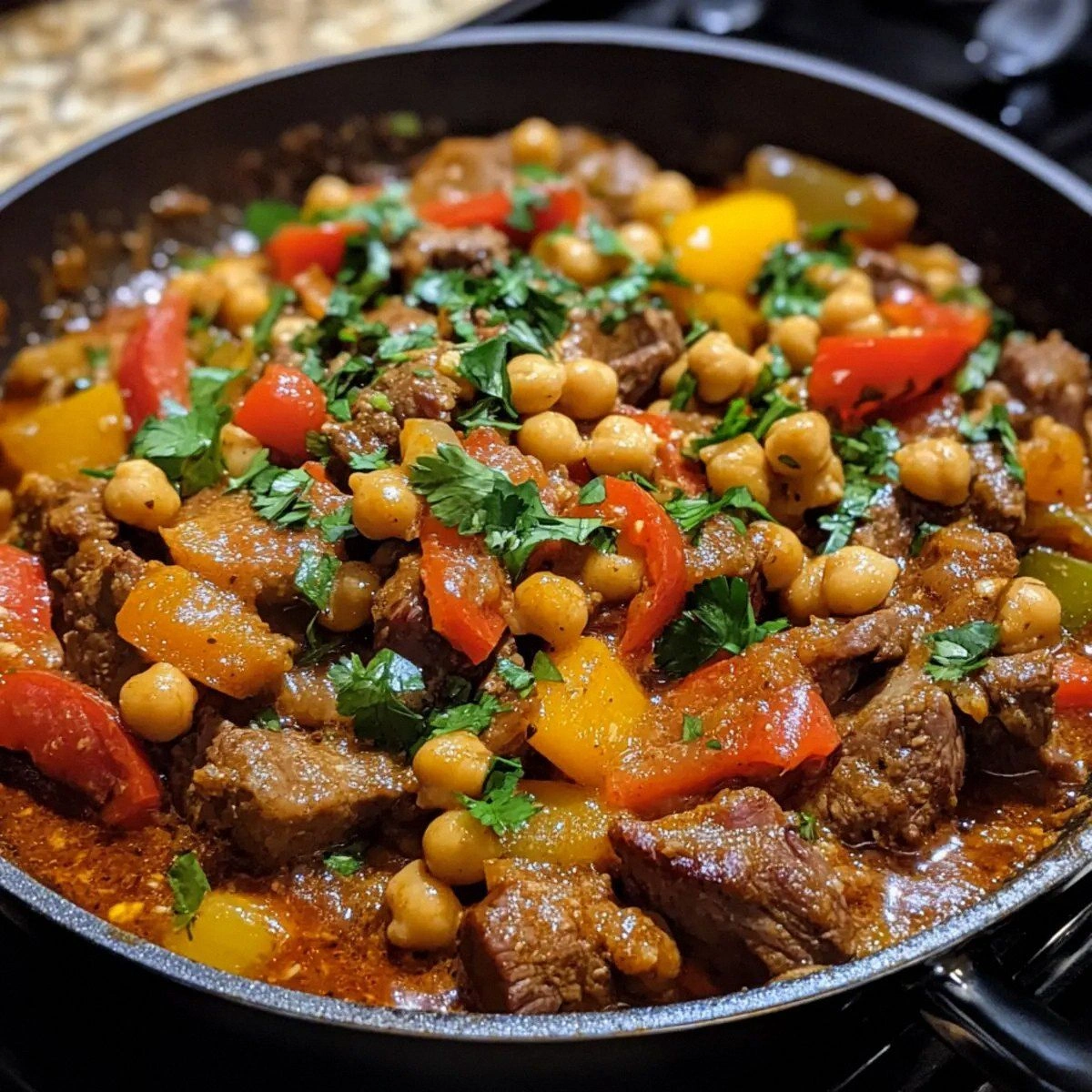
I pulled out a skillet, heated it until it hissed like a tiny dragon, and tossed in the beef. The sizzle was instant—an orchestra of crackles that promised something epic. The aroma that followed was a complex blend of cumin, cinnamon, and paprika, swirling together like a fragrant storm cloud. I added the chickpeas, the onion, and the garlic, and the whole kitchen smelled like a Moroccan market in summer. My friends who had been skeptical at first were already licking their fingers.
This version of the classic Moroccan beef and chickpea skillet is the ultimate game-changer. It’s not just a dish; it’s a passport to a faraway land, but with ingredients you find in any grocery store. The secret? A bold, savory sauce that clings to every grain of chickpea and every bite of beef, a sprinkle of fresh cilantro that brightens the dish, and a splash of lemon juice that cuts through the richness. I dare you to taste this and not go back for seconds.
Let me walk you through every single step—by the end, you'll wonder how you ever made it any other way. Trust me, this is hands down the best version you'll ever make at home.
What Makes This Version Stand Out
- Flavor: The combination of cumin, cinnamon, and paprika creates a deep, warm profile that feels exotic yet familiar.
- Texture: The chickpeas stay firm yet absorb the sauce, while the beef forms a caramelized crust that adds a satisfying bite.
- Simplicity: With only nine ingredients and a single skillet, this dish is a true one‑pot wonder.
- Uniqueness: The addition of fresh cilantro and lemon juice gives it a bright, citrusy finish that most recipes miss.
- Crowd Reaction: Friends and family keep asking for seconds, and I confess—I've eaten half the batch before anyone else got to try it.
- Ingredient Quality: Using fresh, high‑quality spices elevates the dish from good to unforgettable.
- Cooking Method: Searing the beef first locks in juices, then simmering with chickpeas ensures a rich, cohesive sauce.
- Make‑Ahead Potential: The flavors only deepen, making it perfect for meal prep or a quick weeknight dinner.
Alright, let's break down exactly what goes into this masterpiece…
Inside the Ingredient List
The Flavor Base
The foundation of this skillet is the aromatic trio of cumin, cinnamon, and paprika. Cumin provides earthy warmth, cinnamon adds a hint of sweetness, and paprika gives a subtle smokiness. Together, they create a sauce that coats the beef and chickpeas like velvet. If you skip any of these, the dish loses its depth; the beef becomes flat, and the chickpeas taste bland.
Swap the paprika with smoked paprika for an even more pronounced smoky note, or use a pinch of cayenne if you like a heat kick. When selecting spices, look for fresh, whole‑bean versions ground just before cooking; they’ll release more aroma than pre‑ground powders.
The Texture Crew
Ground beef is the star that brings body and richness. Use a leaner cut (around 80/20) to keep it juicy without excess grease. The chickpeas, on the other hand, act as the textural counterpoint—firm yet tender, they soak up the sauce and add a hearty bite. If you prefer a plant‑based version, swap the beef for crumbled tempeh or lentils; the spices will still shine.
Tip: Drain and rinse the chickpeas before adding them. This removes excess sodium and helps them absorb more of the sauce.
The Unexpected Star
Fresh cilantro isn’t just a garnish; it’s a flavor punch that cuts through the richness. It brings a bright, herbal note that balances the warm spices. If cilantro is off your list, try fresh parsley or a splash of chopped mint for a similar effect.
Choosing cilantro: Look for bright green leaves without yellowing. The stems are edible and add extra crunch if you like a bit of texture.
The Final Flourish
Lemon juice is the finishing touch that lifts the dish. It adds acidity, brightens the spices, and prevents the beef from feeling too heavy. A squeeze of lemon right before serving is essential; the juice should sparkle against the savory sauce.
Alternative: A splash of white wine vinegar can replace lemon juice for a slightly different acidity profile.
Everything's prepped? Good. Let's get into the real action...
The Method — Step by Step
- Heat a large cast‑iron skillet over medium‑high heat until it shimmers. Add a splash of olive oil, swirl to coat, and let it heat until it starts to lightly smoke. This initial sear is the foundation of flavor; it creates a caramelized crust on the beef that locks in juices. Don’t rush—wait until the oil is shimmering before adding the meat.
- Add the ground beef in a single layer, breaking it up with a wooden spoon. Let it sit undisturbed for 2 minutes to develop a golden crust. This is the moment of truth—watch the beef sizzle, and you’ll know you’re on the right track. Once browned, stir to crumble and continue cooking until fully cooked, about 5-6 minutes. Keep the heat moderate to avoid burning.
- Push the beef to the side of the skillet and add a drizzle of oil if the pan feels dry. Toss the diced onion and minced garlic, sautéing until translucent and fragrant, about 3-4 minutes. The onions should soften into a sweet, caramelized base, and the garlic should release its punch without burning.
- Sprinkle in the cumin, cinnamon, and paprika. Stir vigorously to toast the spices, allowing them to bloom for 30 seconds. The aroma should be intoxicating—like a spice market in Marrakech. This step is crucial; it transforms raw spices into a fragrant, flavorful base.
- Add the drained chickpeas and stir to coat them in the spice‑oil mixture. Cook for 2 minutes, letting the chickpeas absorb the flavors. They should start to sizzle slightly, signaling that they’re ready to soak up the sauce.
- Pour in about 1 cup of water or low‑salt broth to create a sauce. Bring to a gentle simmer, then reduce heat to low. Cover the skillet and let it simmer for 10 minutes, allowing the flavors to meld. The sauce should thicken slightly, coating the beef and chickpeas.
- Stir in the fresh cilantro, then squeeze the lemon juice over the top. Taste and adjust seasoning with salt if needed. The lemon should brighten the dish instantly, cutting through the richness.
- Remove from heat, let it rest for 2 minutes, then serve hot over rice, couscous, or crusty bread. The rest allows the flavors to settle, ensuring every bite is perfectly balanced. Plate with a drizzle of olive oil and a sprinkle of extra cilantro if desired.
That’s it — you did it. But hold on, I've got a few more tricks that'll take this to another level...
Insider Tricks for Flawless Results
The Temperature Rule Nobody Follows
Many cooks assume that high heat is always best, but the key to a tender beef is a steady medium‑high temperature. Start with a hot pan, then lower the heat once the beef is seared to avoid burning. I’ve seen too many attempts where the meat ends up tough and dry. Keep the heat steady, and the beef will stay juicy.
Why Your Nose Knows Best
The scent of cumin and cinnamon is a reliable indicator of readiness. When the spices start to pop and release their oils, it’s time to add the chickpeas. This sensory cue ensures you’re not waiting too long, which could cause the spices to burn.
The 5‑Minute Rest That Changes Everything
After removing the skillet from the heat, let the dish sit for five minutes. This brief rest allows the sauce to thicken and the flavors to redistribute. It also lets the beef finish cooking from residual heat, preventing over‑cooking.
Fresh vs. Canned Chickpeas
While canned chickpeas are convenient, using fresh or pre‑soaked chickpeas gives a firmer bite and a cleaner taste. If you’re in a rush, rinse the canned chickpeas thoroughly to remove excess sodium.
Serving Suggestion: A Simple Side
Pair this skillet with fluffy couscous or a side of roasted carrots. The slight sweetness of the carrots complements the warm spices, creating a harmonious plate.
Creative Twists and Variations
This recipe is a playground. Here are some of my favorite ways to switch things up:
Spicy Moroccan Twist
Replace the standard spices with a Moroccan spice blend, add a handful of chopped dried apricots for sweetness, and finish with a dash of harissa. The heat will dance on your tongue, and the apricots add a caramelized burst.
Vegetarian Version
Swap the ground beef for crumbled tempeh or a mix of lentils and diced zucchini. Keep the spice profile the same, and the dish will still deliver the same depth.
Low‑Carb Take
Serve the skillet over cauliflower rice instead of regular rice. The cauliflower adds a mild, neutral base that lets the spices shine without extra carbs.
Smoky Barbecue Flavor
Add a splash of barbecue sauce to the simmering sauce, and finish with a pinch of smoked paprika. The smoky undertone pairs wonderfully with the cumin and cinnamon.
Greek-Inspired Variation
Replace lemon juice with a splash of white wine vinegar, add a handful of chopped olives, and sprinkle feta cheese on top after serving. This gives a Mediterranean twist while retaining the core flavor.
Storing and Bringing It Back to Life
Fridge Storage
Cool the skillet completely, then transfer it to an airtight container. Store in the refrigerator for up to 3 days. The flavors will deepen, making it even more delicious the next day.
Freezer Friendly
For longer storage, portion the dish into freezer‑safe containers and freeze for up to 2 months. Thaw overnight in the fridge before reheating.
Best Reheating Method
Reheat gently on low heat, adding a splash of water or broth to loosen the sauce. A quick stir will bring it back to a silky, cohesive consistency. A tiny splash of water before reheating steams the dish back to perfection.